
In a city that has seen every kind of luxury launch, from haute couture runway spectacles to billion-dollar tech unveilings, it takes something truly disruptive to make New York pause. On the evening of May 6, 2026, at Lavan Chelsea, that disruption came not from fashion week or Wall Street—but from a collision between Swiss watchmaking precision and the raw cultural energy of 1990s basketball sneakers.
The collaboration between H. Moser & Cie and Reebok is not simply another luxury crossover. It is a calculated cultural experiment—one that asks a deeper question: what happens when heritage craftsmanship meets street-born mythology, and both are re-engineered for a new generation of collectors who no longer separate sport, fashion, and luxury?
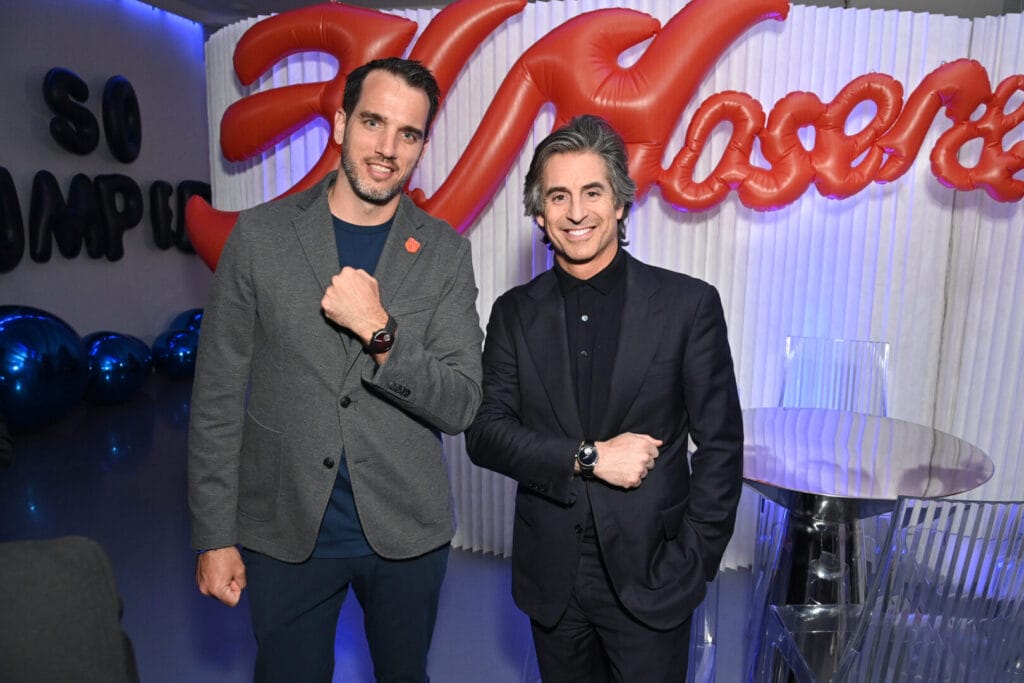
A COLLABORATION BUILT ON CULTURAL MEMORY, NOT MARKETING
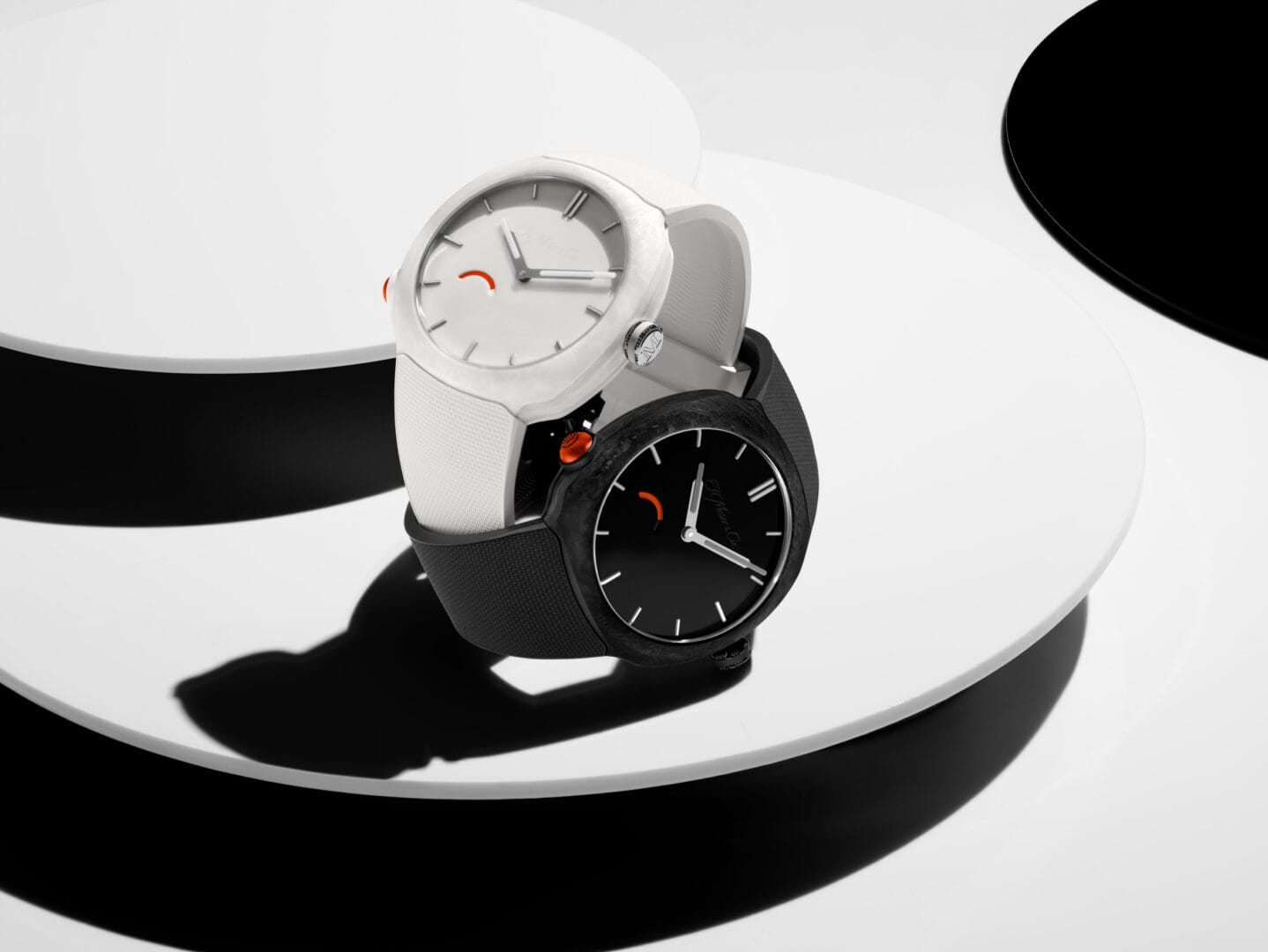
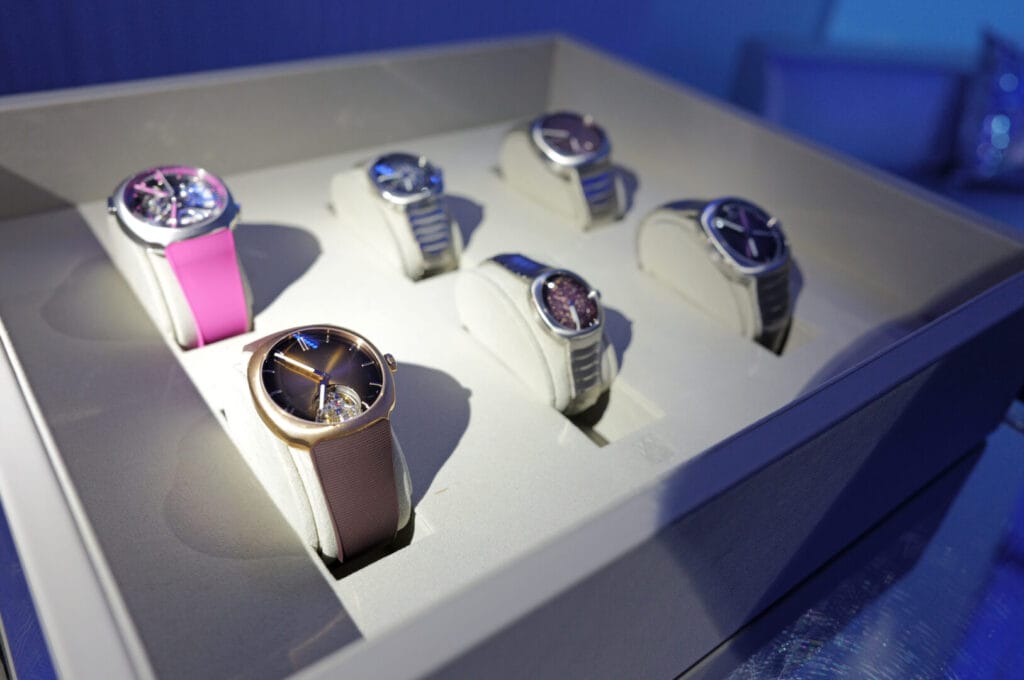
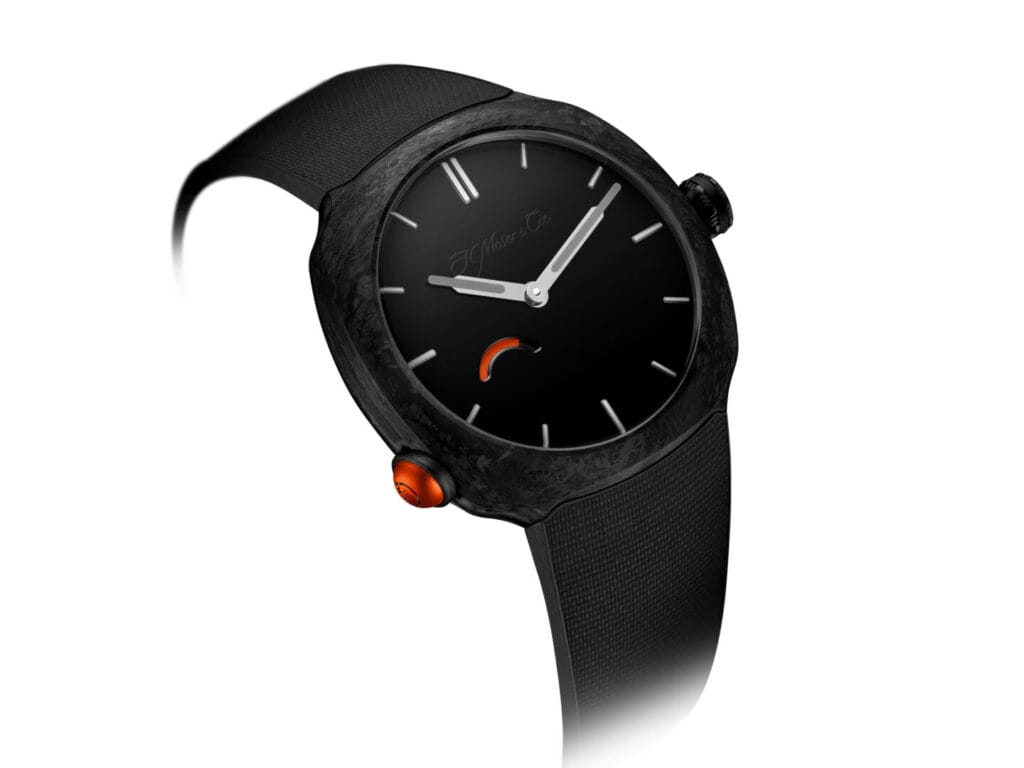
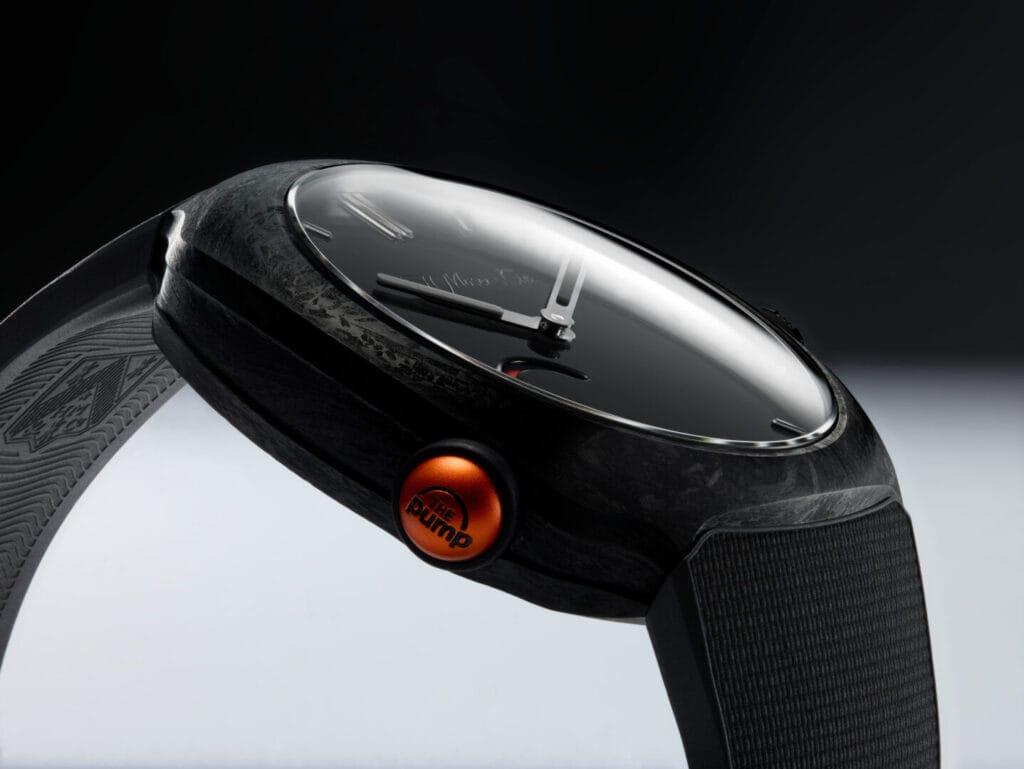
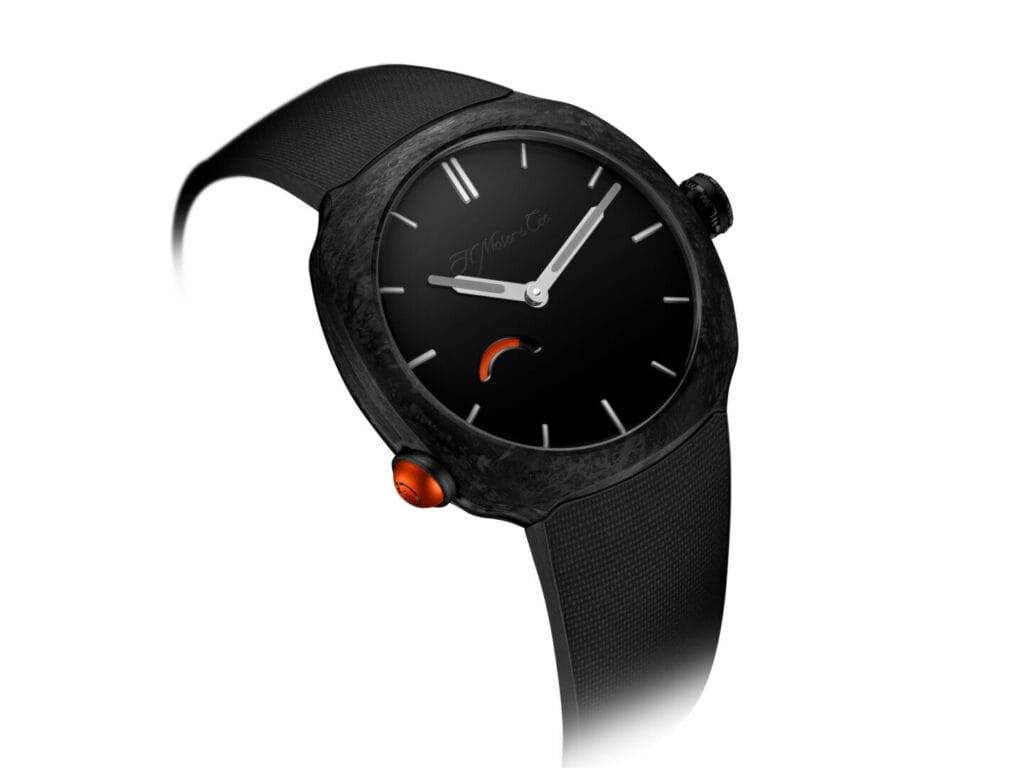
The Streamliner PUMP is the centerpiece of this collaboration, a limited-edition release capped at just 250 pieces, each paired with an exclusive Moser x Reebok sneaker. But unlike typical luxury collaborations that rely on logo placement or aesthetic borrowing, this partnership is rooted in functional storytelling.
The watch itself features a mechanical “pump” mechanism inspired directly by Reebok’s iconic sneaker innovation of the late 1980s and early 1990s. In a clever reinterpretation, that same tactile action now engages the watch’s movement, contributing to its 74-hour power reserve. It is not symbolism—it is engineering translated through cultural memory.
This is where the collaboration breaks from tradition. It does not simply reference history; it mechanizes it.
In an industry where luxury watchmaking often leans on heritage as static storytelling, H. Moser & Cie reframes heritage as something active, physical, and participatory. Meanwhile, Reebok reclaims its own cultural dominance from the 1990s—not as nostalgia, but as design intelligence that still resonates in modern performance culture.
THE VENUE: LAVAN CHELSEA AS A CULTURAL STAGE
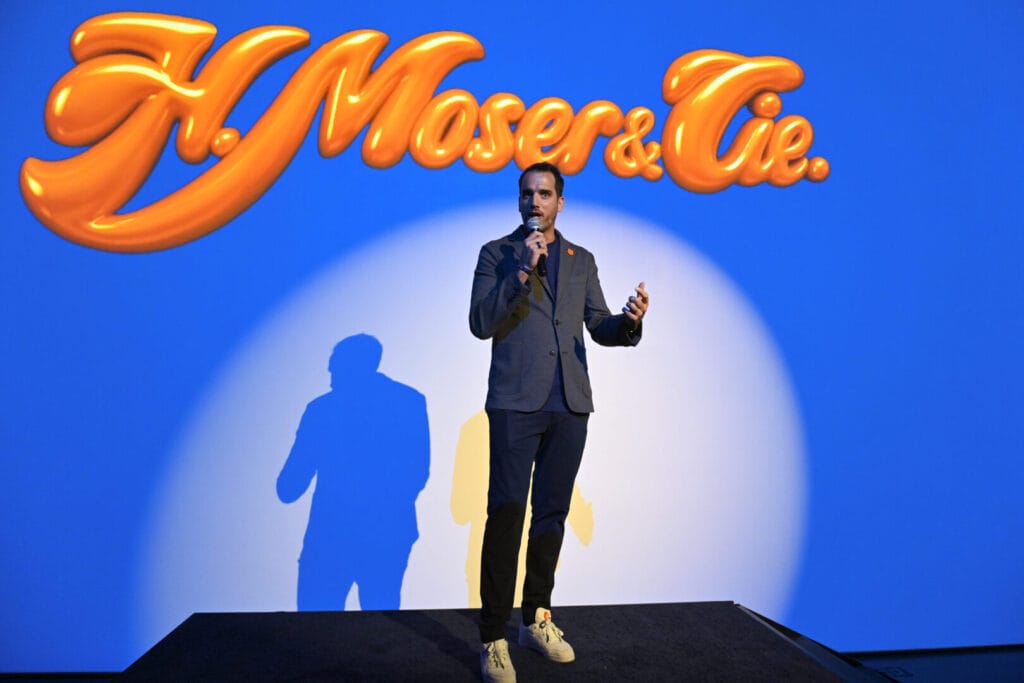
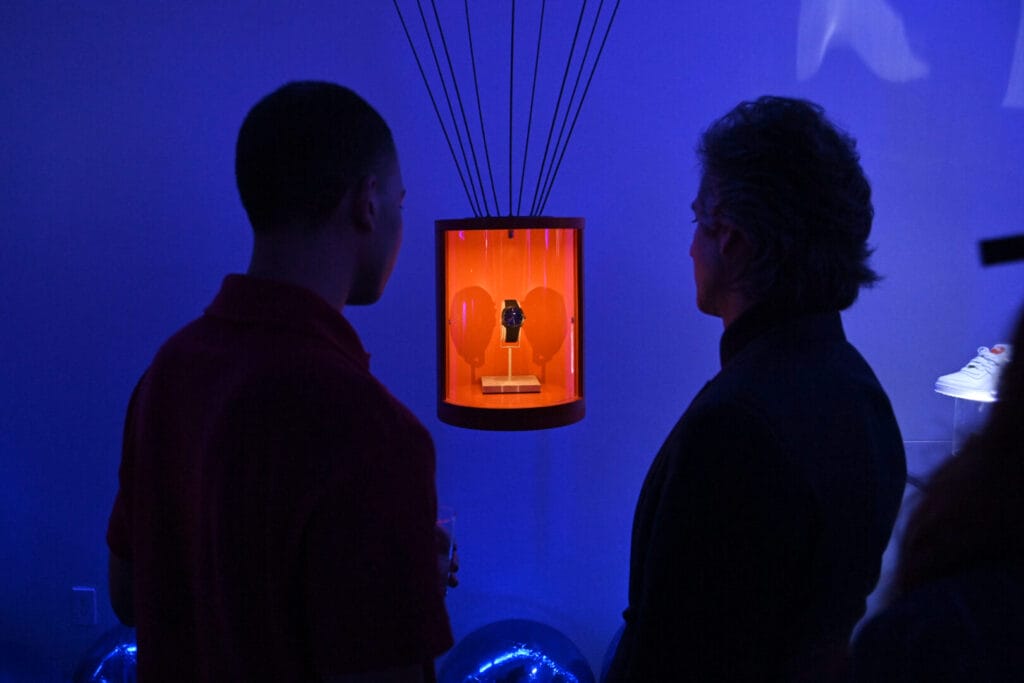
Lavan Chelsea was transformed into something closer to a hybrid arena than an event space. Guests entered through an environment that felt intentionally layered—part gallery, part locker room, part luxury showroom. The intent was clear: remove hierarchy between sport and luxury and place them in direct conversation.
Inside, guests were not passive observers. They were participants. Signature cocktails and curated bites were paired with interactive stations designed to evoke competitive energy rather than quiet admiration. A basketball shootout station referenced the origins of the Pump sneaker’s cultural rise in sport. F1 simulators introduced precision performance into the experience. Table tennis setups and coaching from Olympic gold medalist Atanda Musa and Dan Deneau reinforced the athletic DNA underpinning the collaboration.
This was not an activation built around spectacle alone. It was built around behavior.
THE MOMENT THAT STOLE THE NIGHT
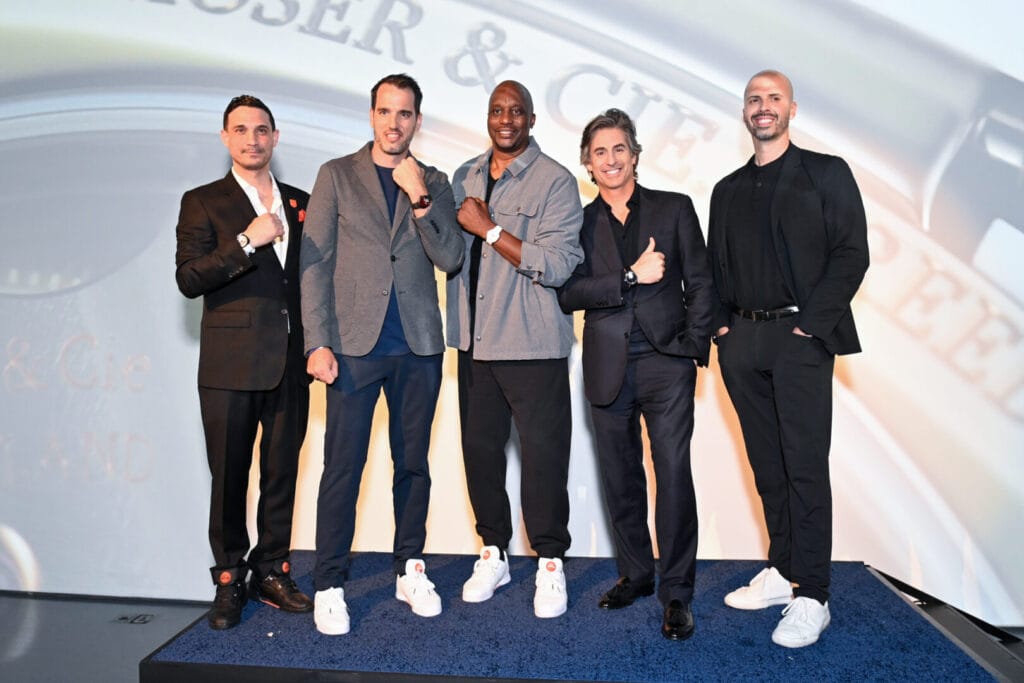
No moment captured the emotional core of the evening more than Dee Brown’s appearance. The former NBA star—who famously brought the original Reebok Pump into global pop culture consciousness during the 1991 Slam Dunk Contest—was more than a guest. He was a living bridge between eras.
As the crowd gathered, Brown recreated his iconic pre-dunk ritual: pumping up his sneakers before launching into a signature slam dunk. The gesture, once a broadcast highlight that defined an era of basketball and sneaker culture, was now reframed inside a luxury watch launch.
But this time, the symbolism had evolved.
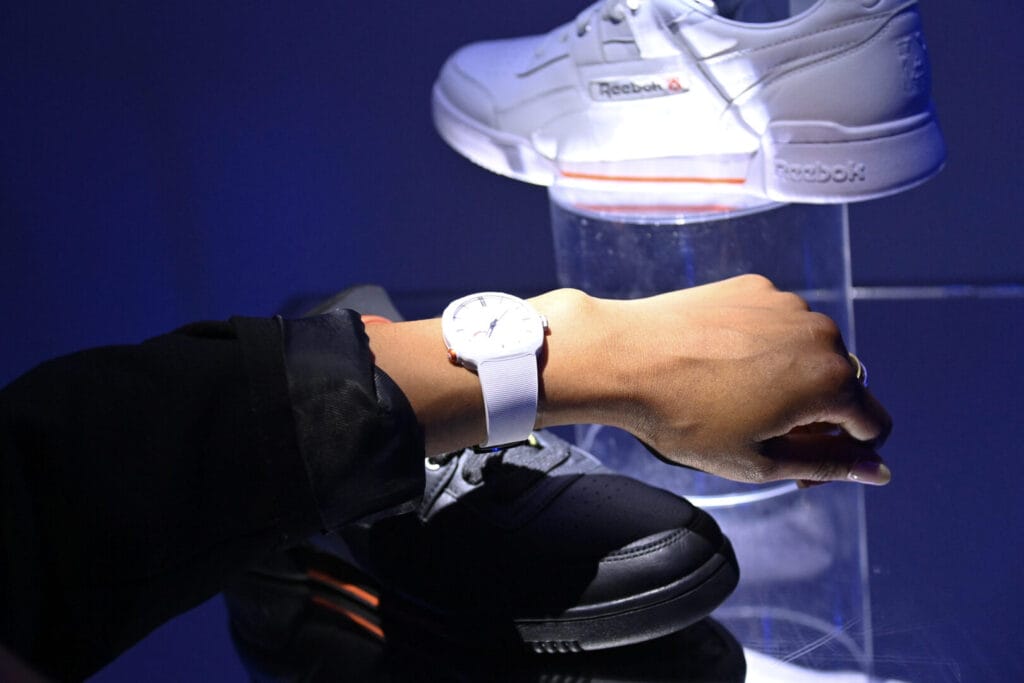
Wearing the H. Moser x Reebok collaboration, Brown was not just revisiting history—he was extending it. The gesture of pumping, once a performance enhancer for footwear, had been re-engineered into a horological function that powers a mechanical timepiece.
The applause that followed was not nostalgia. It was recognition of continuity.
WHY THIS COLLABORATION MATTERS BEYOND LUXURY
Most luxury collaborations today are built on predictable formulas: fashion meets automotive, streetwear meets haute couture, or heritage brand meets celebrity endorsement. What makes this partnership different is that it does not rely on adjacency—it relies on translation.
At its core, the Streamliner PUMP asks a radical question: can cultural artifacts be re-engineered without losing their identity?
In the case of H. Moser & Cie, the answer is yes—because the brand approaches watchmaking not as ornamentation, but as mechanical storytelling. Every component is purposeful, every complication intentional. The integration of the pump mechanism is not decorative; it is structural.
For Reebok, the collaboration repositions the Pump not as a retro icon, but as a design system. What once existed as a performance-enhancing sneaker innovation is now reinterpreted as a mechanical principle that can extend beyond footwear into entirely different categories of engineering.
This is where the collaboration becomes culturally significant: it reframes product design as cross-category language.
Perhaps the most important takeaway from the evening is the evolution of the luxury consumer. The audience in attendance—tastemakers, collectors, athletes, and industry insiders—represents a shift in how value is defined.
Today’s collector is no longer defined by category loyalty. They are defined by cultural fluency.
THE NEW COLLECTOR ECONOMY
A luxury watch is no longer purchased solely for horological prestige. A sneaker is no longer purchased solely for athletic association. Instead, objects are now valued for their narrative interoperability—how well they connect across culture, sport, design, and engineering.
This shift explains why a collaboration between a Swiss watchmaker and a sportswear brand no longer feels unexpected. Instead, it feels inevitable.
BEYOND CO-BRANDING: A NEW DESIGN PHILOSOPHY
What distinguishes this collaboration from typical co-branding exercises is its refusal to dilute either identity. H. Moser & Cie does not become more casual. Reebok does not become more formal.
Instead, both brands operate at full intensity within their respective disciplines while allowing a shared mechanical and cultural idea to connect them.
The result is not fusion—it is dual authorship.
The Streamliner PUMP becomes a case study in how industrial design can operate across categories without compromising authenticity. It demonstrates that the future of luxury may not lie in exclusivity alone, but in conceptual collaboration that respects the integrity of both worlds.
THE FINAL TAKEAWAY: CULTURE AS MECHANISM
What unfolded at Lavan Chelsea was more than a product launch. It was a demonstration of how cultural memory can be transformed into mechanical function.
A sneaker innovation became a watch complication. A basketball moment became a luxury ritual. A streetwear icon became a horological system.
And in doing so, the collaboration between H. Moser & Cie and Reebok did something rare in today’s saturated collaboration economy—it created meaning that cannot be replicated without the mechanics behind it.
In a world where collaborations often blur identity, this one sharpened it.
And that is what makes it unforgettable.
#HMCxReebok #StreamlinerPUMP #LuxuryMeetsStreet #WatchCulture #SneakerCulture #DesignInnovation #LuxuryCollab #NYCEvents #HorologyReimagined #CulturalFusion
Save Article