
On Thursday, February 19, 2026, London Fashion Week opened its Fall/Winter season with all the usual spectacle—glittering runways, industry insiders, and front-row celebrities. But for those of us who have spent decades observing the rhythms of luxury watches, the true story that day wasn’t on the catwalk. It was on a wrist.
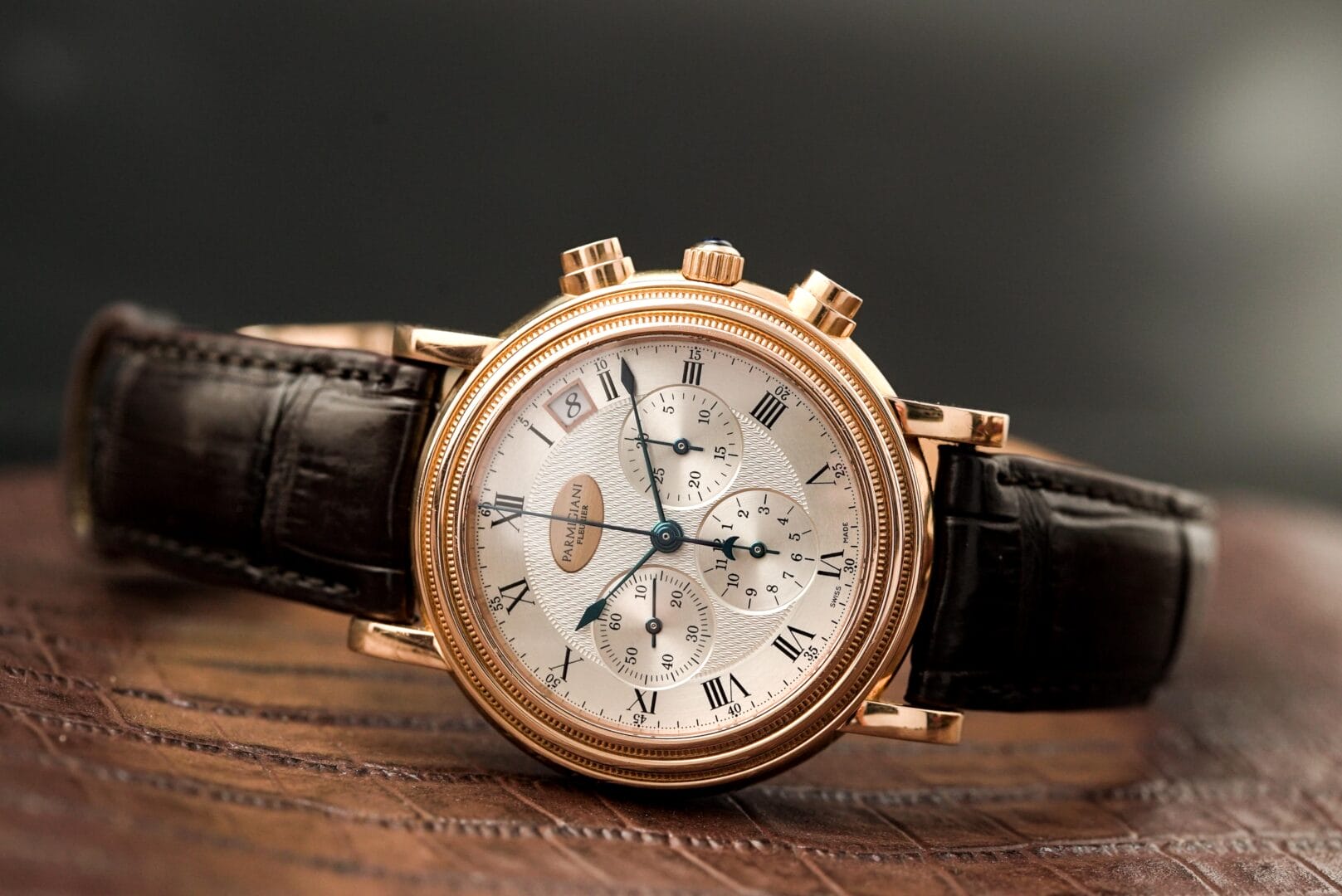
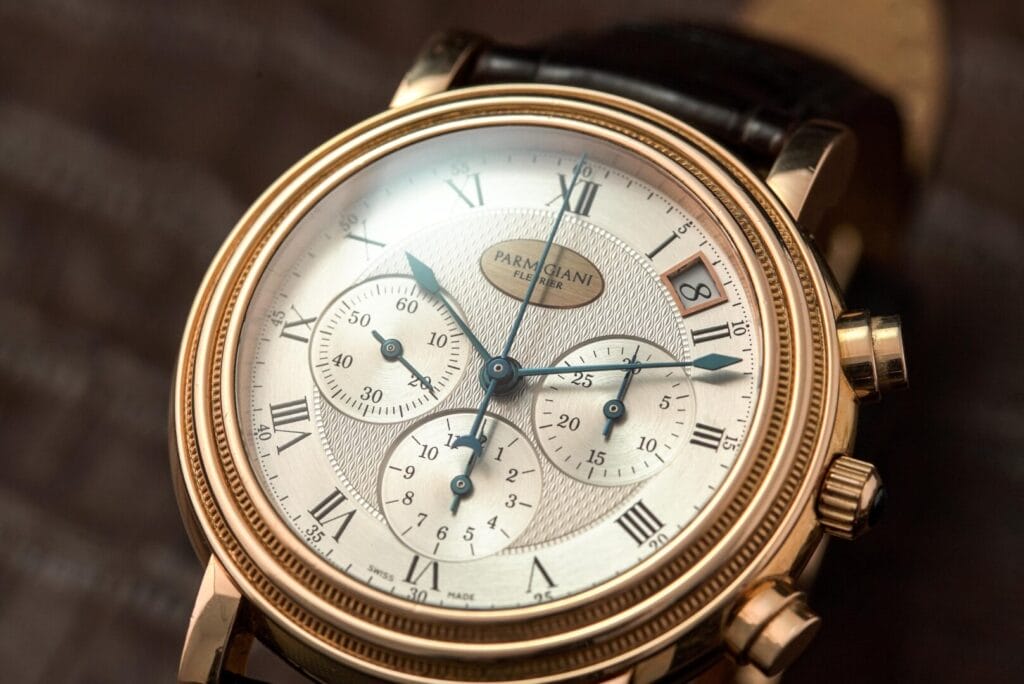
King Charles III appeared at the show of British-Nigerian designer Tolu Coker, seated among fashion icons including Stella McCartney, wearing a watch that quietly commanded attention: the Parmigiani Fleurier Toric Chronograph.
Having covered luxury watches for over thirty years, I can tell you there are few endorsements more compelling than a monarch’s choice. Social media stars come and go, celebrity brand ambassadors are replaced in campaigns, but when a reigning king chooses a timepiece, it is a statement that transcends marketing—it is taste, authority, and legacy all in one.
The Power of a Royal Wrist
Luxury brands invest heavily in influencer campaigns and glossy magazine spreads. Athletes, actors, and musicians are carefully photographed with the latest watches, each image optimized for maximum social engagement.
Yet, no marketing budget compares to the quiet authority of His Majesty Charles III, King of the United Kingdom and the Commonwealth Realms. When he selects a watch, the world takes note—not because he is paid to do so, but because he is a king, and the choice is personal.
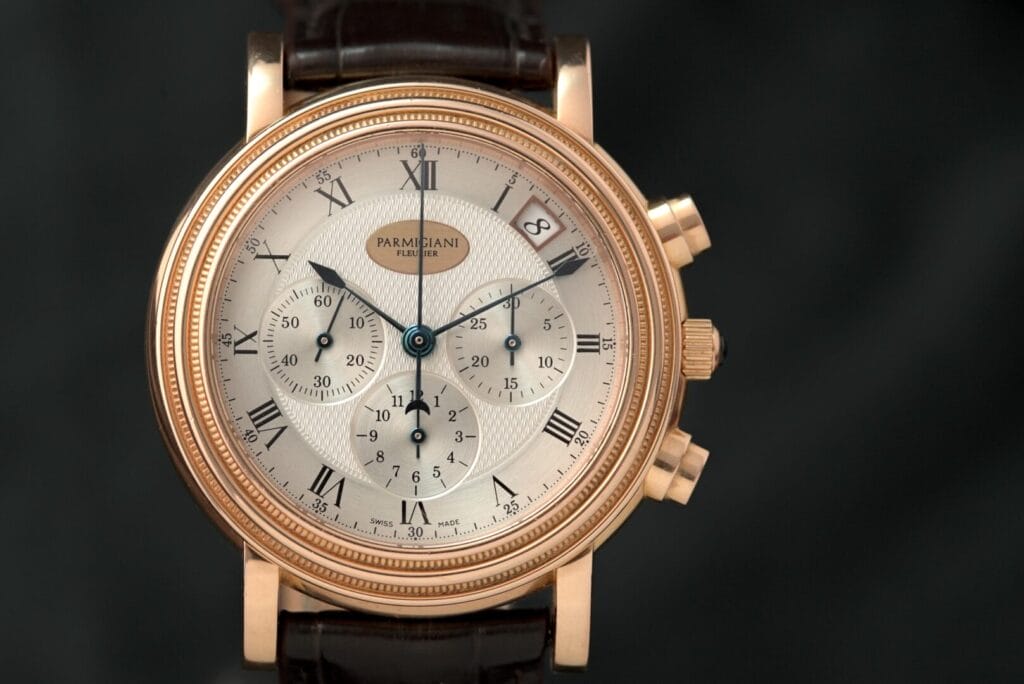
The Toric Chronograph he wore is a 39mm automatic in 18-carat yellow gold, on a leather strap—a piece that embodies elegance without ostentation. For those of us who study the craft, it is a quintessential expression of the harmony between design and mechanical ingenuity.
“The Parmigiani Fleurier Toric Chronograph on King Charles III’s wrist is a perfect example of how true luxury transcends trends,” says Joseph DeAcetis, Editor at Stylelujo.com and Professor at the Fashion Institute of Technology. “This 39mm yellow gold masterpiece blends mechanical mastery, classical design, and understated elegance. In an age dominated by influencers and brand campaigns, a monarch’s choice carries authority, taste, and continuity. It reminds collectors and enthusiasts alike that watches are not just about time—they are about heritage, craftsmanship, and enduring style.”
King Charles has worn this watch at several significant occasions, including the wedding of Prince Harry, Duke of Sussexand Meghan Markle in 2018. Its presence at London Fashion Week, however, brought the understated Toric into a new cultural context, bridging royal tradition with contemporary fashion.
Watches in the House of Windsor
The House of Windsor has long cultivated a nuanced relationship with watches. From my earliest years reporting on horology, I observed that royal watches are not about brand display—they are heirlooms, symbols, and statements of continuity.
Queen Elizabeth II favored Patek Philippe for its timeless elegance, and Prince Philip, Duke of Edinburgh—a man fascinated by mechanics—often chose Rolex and Omega watches reflecting his naval background. Today, Prince William, Prince of Wales wears an Omega Seamaster Professional given to him by his mother, Diana, Princess of Wales, combining practicality with sentimentality.
Royal watch choices are a window into the values and character of the wearer. Over thirty years of coverage, I’ve learned that these decisions are rarely about trend—they are about taste, precision, and an intimate relationship with time itself.
Kings Around the World and Their Watches
Royal influence in horology is global. Modern kings continue to shape collector preferences with choices that reflect national identity, personal style, and sometimes subtle diplomacy.
King Felipe VI — Spain
Felipe VI favors Rolex and Cartier watches. His choices reflect a balance of modern sensibility and Spanish tradition, demonstrating refinement without ostentation.
King Harald V — Norway
Harald V has long been associated with Patek Philippe watches, highlighting Norway’s deep appreciation for technical mastery and understated elegance.
King Carl XVI Gustaf — Sweden
Carl XVI Gustaf often wears Rolex, embracing Scandinavian minimalism and precision. These watches are as much a reflection of national identity as personal preference.
King Mohammed VI — Morocco
Mohammed VI prefers Audemars Piguet and Patek Philippe, blending opulence with global sophistication. His watch choices communicate authority and style simultaneously.
King Jigme Khesar Namgyel Wangchuck — Bhutan
Jigme Khesar Namgyel Wangchuck opts for Jaeger-LeCoultre, aligning with Bhutan’s philosophy of measured elegance and cultural authenticity.
These selections demonstrate how royal horology remains relevant. Across continents, a king’s wrist speaks to taste, heritage, and authority—a lesson for collectors and brands alike.
Parmigiani Fleurier: Crafting Watches for Royalty
Understanding why King Charles III favors Parmigiani Fleurier requires a look at the brand’s lineage. Founded in 1996 by master watchmaker Michel Parmigiani in Fleurier, Switzerland, Parmigiani Fleurier emerged from a legacy of restoration. Michel spent years repairing historical masterpieces, gaining intimate knowledge of centuries-old mechanisms.
Parmigiani Fleurier watches are a blend of mechanical artistry, vertical integration, and timeless design. The brand produces movements, cases, and dials in-house—an increasingly rare practice in modern horology. For an observer like me, these details reveal the difference between mere luxury and enduring excellence.
The Toric collection, inspired by classical architecture, exemplifies this philosophy. Its fluted bezel echoes ancient columns; its proportions and numerals balance elegance with readability. The Toric Chronograph, in particular, brings a sense of intellectual refinement to the wrist—a quality befitting a king.
Inside the Toric Chronograph
As someone who has studied watchmaking for decades, I can attest that the Toric Chronograph is a mechanical marvel:
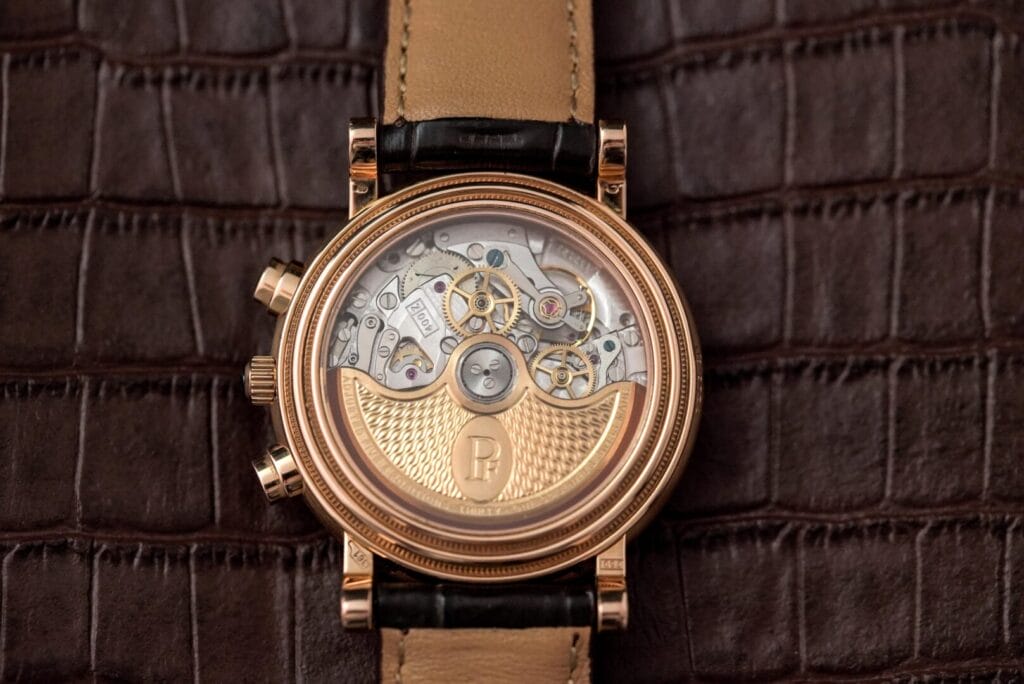
- Automatic movement: Wound by wrist motion, eliminating the need for manual winding
- Column-wheel chronograph: Offers precise, smooth actuation
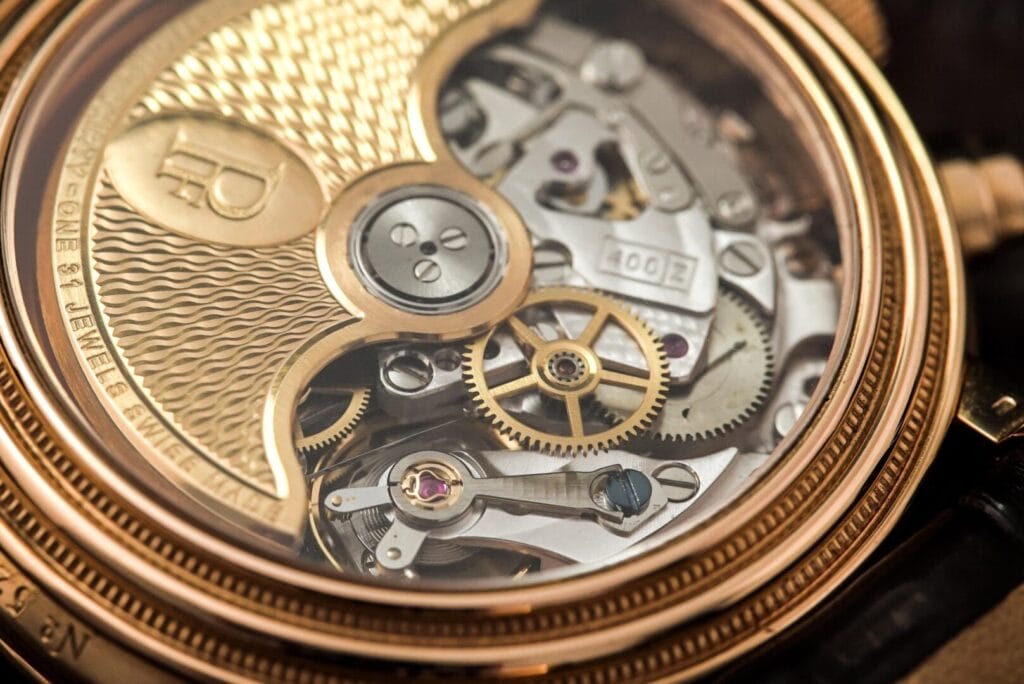
- Hand-finished components: Geneva stripes, polished bevels, and bridges reflect the highest artisan skill
- 39mm 18k yellow gold case: Classic sizing, perfect for formal and casual occasions
- Leather strap: Elegant, comfortable, and versatile
Unlike quartz watches, the Toric’s hundreds of intricately coordinated components symbolize patience, craftsmanship, and history—a philosophy aligned with the values of monarchy.
Trends in Luxury Watches That the King Exemplifies
Even as watch markets shift, King Charles’s choice underscores enduring trends:
- Classic case sizes (36–40mm), moving away from oversized watches
- Independent watchmakers gaining recognition among collectors
- Visible mechanical movements, celebrating engineering artistry
- Precious metal revival, with gold watches regaining prominence
- Timeless design, avoiding transient fashion trends
In my experience covering decades of horology, few watches so perfectly marry these trends with traditional elegance.
Why a King’s Watch Matters to Collectors
Over my career, I’ve seen watches rise and fall in value based on celebrity marketing, social media virality, or fleeting trends. But royal choices operate on a different metric: authenticity.
King Charles III wearing the Toric Chronograph signals more than style; it signals taste informed by history, technical mastery, and personal preference. It is a reminder that the most powerful endorsements come not from paid contracts, but from genuine appreciation—a lesson collectors and brands alike should heed.
Reflecting on Three Decades of Watch Reporting
From early Baselworld shows to private viewings in Geneva and London, I have tracked the subtle evolution of luxury horology. What endures are pieces with purpose, precision, and provenance. Watching King Charles III on that London Fashion Week runway reminded me of why I began reporting on watches: not to chase hype, but to celebrate mechanical genius and artistry.
Over the decades, I’ve seen royal watches subtly shape collector markets. When a monarch selects a timepiece, it becomes a benchmark, quietly influencing taste without fanfare. That authority is unmatched by any social media campaign or celebrity endorsement.
A Watch Fit for a King—and for History
The Toric Chronograph, with its understated elegance, column-inspired bezel, and refined mechanical movement, is more than a watch. It is a bridge between centuries of horological tradition and contemporary luxury. King Charles III’s choice reminds us that true luxury transcends trends. It is measured in craftsmanship, authenticity, and time itself.
As I watched him take his seat at Tolu Coker’s show, I realized that the subtle tick of his Toric was louder than any runway announcement. It was a quiet, authoritative statement: that the values of horology—precision, heritage, and taste—remain timeless. And in that moment, a king taught us all how to wear a watch.
Save Article