

Every year, the Cannes Film Festival arrives with the same seductive promise: cinematic brilliance, impossible glamour, and the kind of exclusivity that turns the French Riviera into the center of the cultural universe. For two weeks each May, Cannes becomes a surreal intersection of film, fashion, celebrity, luxury, and ambition. Along the Croisette, the atmosphere feels electric from morning until well after midnight. Photographers line the carpet waiting for A-list arrivals, executives rush between screenings and meetings, and luxury brands transform hotels, beaches, and villas into immersive showcases of wealth and influence.
As someone who has covered fashion, luxury, celebrity culture, and international events for years, I’ve always believed Cannes exists in a category of its own. There is simply nowhere else in the world where cinema, couture, business, media, and philanthropy collide on such a massive scale. Yet despite all the premieres, parties, yacht dinners, and red-carpet moments that define the festival, this year one event stood above the rest in both emotional impact and global importance.
The true headline of Cannes 2026, in my opinion, wasn’t just who wore what or which film received the longest standing ovation. It was the remarkable achievement of the 32nd edition of the amfAR Gala Cannes, which raised an extraordinary $20 million to support lifesaving biomedical research and the global fight against HIV/AIDS.
That number deserves attention. In an era where fundraising fatigue has become a challenge for nonprofits around the world, amfAR delivered its strongest fundraising performance since 2016. More importantly, it reminded everyone attending Cannes that beyond the spectacle and celebrity culture, there remains an opportunity to use visibility and influence for meaningful change.
Held at the iconic Hôtel du Cap-Eden-Roc in Antibes, the gala once again became the crown jewel of Cannes philanthropy. The property itself feels cinematic — perched dramatically above the Mediterranean with manicured gardens, legendary terraces, and views that seem almost unreal at sunset. Over the years, the venue has hosted royalty, film legends, designers, billionaires, and cultural icons. But on this particular evening, the focus shifted from luxury alone to purpose.
One of the most exciting luxury lifestyle moments surrounding the amfAR Gala Cannes came courtesy of Goldenbird, which was unveiled as the exclusive cocktail partner of the evening at the legendary Hôtel du Cap-Eden-Roc. In true Cannes fashion, the collaboration transformed cocktail culture into an immersive Riviera experience, blending luxury spirits, fragrance-inspired mixology, and high-fashion energy into one unforgettable night.


Partnering with Don Julio 1942, Goldenbird introduced a limited-edition bottled cocktail crafted exclusively for the gala, featuring tequila layered with kaffir lime, habanero chili, yuzu, and coconut — a bold sensory mix that perfectly captured the glamour and heat of Cannes after dark. Signature cocktails including “Smooth Criminal” and “No Ordinary Love” quickly became conversation pieces throughout the evening, adding another layer of cinematic sophistication to the event atmosphere.
What made the activation especially memorable was how seamlessly it merged nightlife, fashion, and entertainment culture. During her headline performance, Lizzo energized the crowd while holding a Goldenbird cocktail, while co-founder Jarrod Scott even walked the gala’s famed runway presentation cocktail in hand, creating one of the evening’s most visually iconic moments.
In my opinion, Goldenbird represented the modern evolution of Cannes luxury culture perfectly — experiential, elevated, and deeply connected to fashion, hospitality, and storytelling. In a festival environment where every detail is curated for impact, Goldenbird succeeded in becoming more than a beverage partner; it became part of the visual identity and excitement of one of Cannes 2026’s most talked-about nights.
Hosted by Academy Award-winning actress Geena Davis, the evening opened with a message that immediately set the tone. Davis spoke passionately about amfAR’s mission and the urgency of continuing the fight against HIV/AIDS. Her remarks cut through the glamour in a deeply human way. She reminded guests that while incredible progress has been made, the mission is not over. Hearing those words in a room filled with some of the world’s most influential people created a powerful emotional contrast to the extravagance surrounding the event.
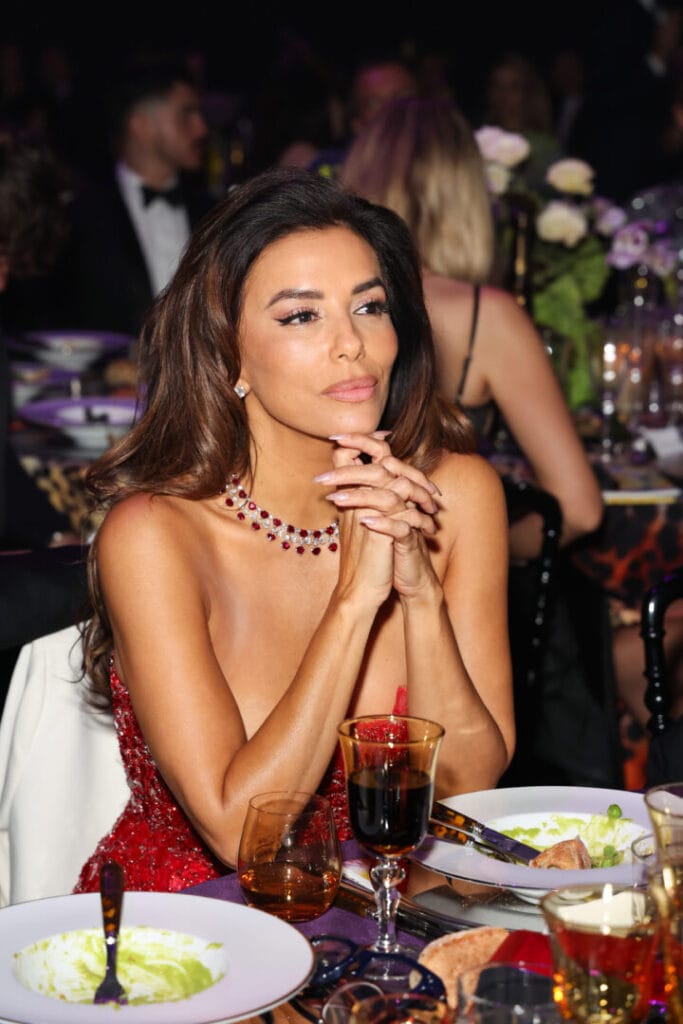
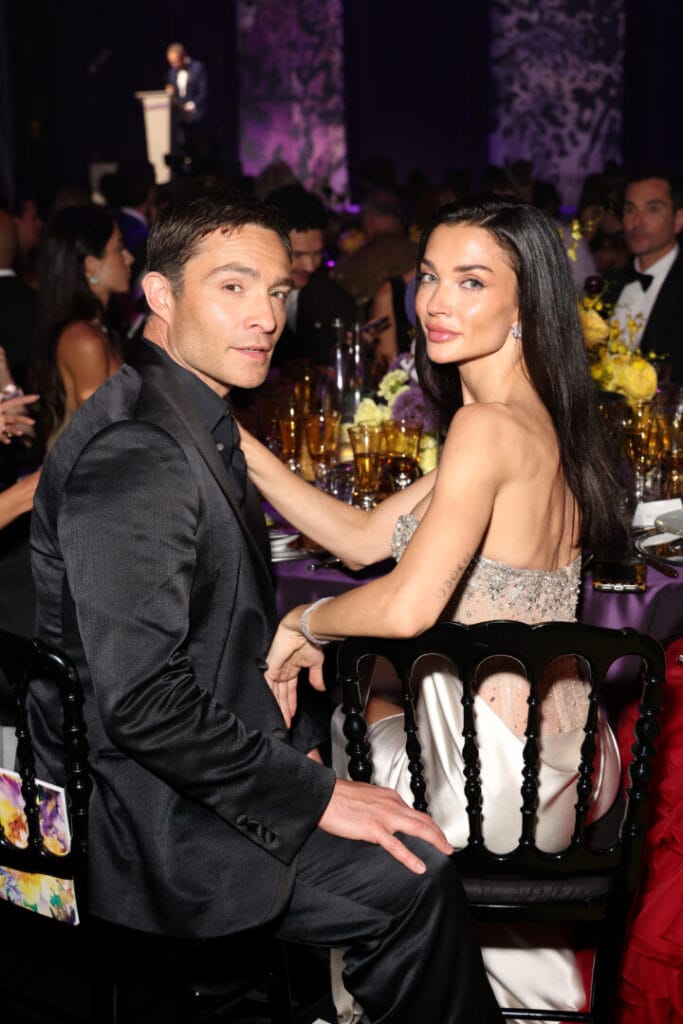
The guest list alone underscored why the amfAR Gala Cannes continues to be regarded as the most coveted invitation of the entire festival season. As I looked across the room inside the legendary Hôtel du Cap-Eden-Roc, it became clear that this was more than another glamorous Cannes party — it was a gathering of influential voices from film, fashion, music, sports, and philanthropy united around a singular mission.
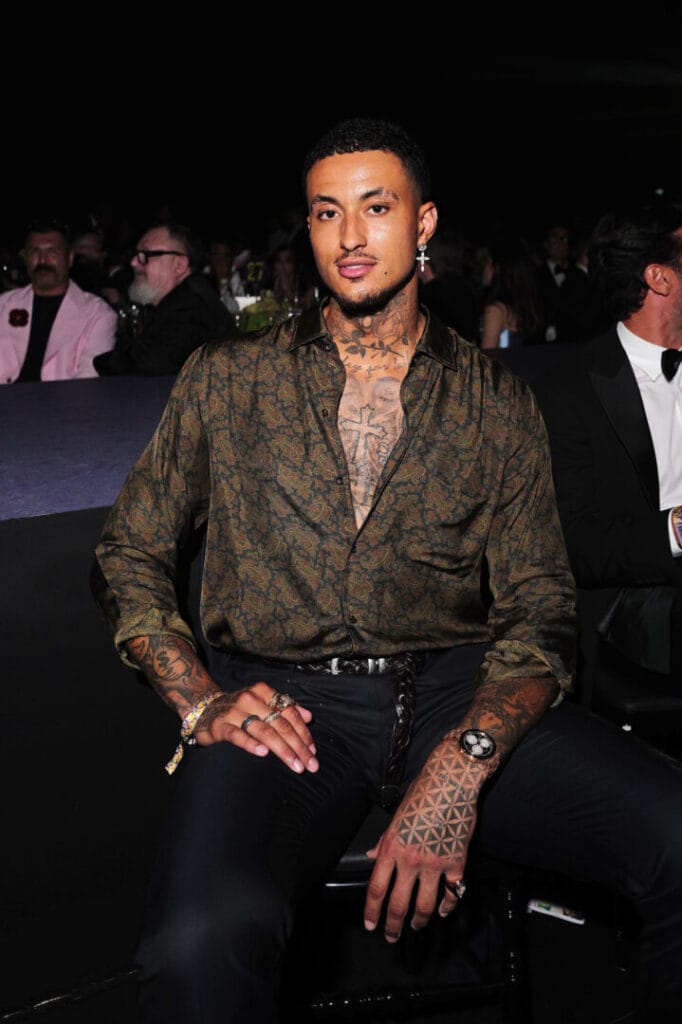
Among those attending in support of amfAR were Rami Malek, Eva Longoria, Heidi Klum, filmmaker Ira Sachs, fashion visionary Carine Roitfeld, Robin Thicke, Sofia Carson, NBA star Kyle Kuzma, actor Adrian Grenier, rapper Gunna, model Coco Rocha, football icon Paul Pogba, actress Laura Harrier, model Natasha Poly, William Abadie, model Izabel Goulart, footballer Kevin Trapp, supermodel Petra Nemcova, Bar Refaeli, tennis star Holger Rune, actor Ed Westwick, model Sara Sampaio, fashion creative Conner Ives, television personality Lisa Rinna, actress Tara Reid, DJ Honey Dijon, and model Brooks Nader among many others.
What struck me most was not simply the star power in attendance, but the collective willingness of these high-profile figures to lend their visibility and influence to a cause that continues to demand global attention. In Cannes, celebrity presence often fuels headlines and social media impressions, but inside the amfAR Gala, that visibility translated directly into funding for critical scientific research.
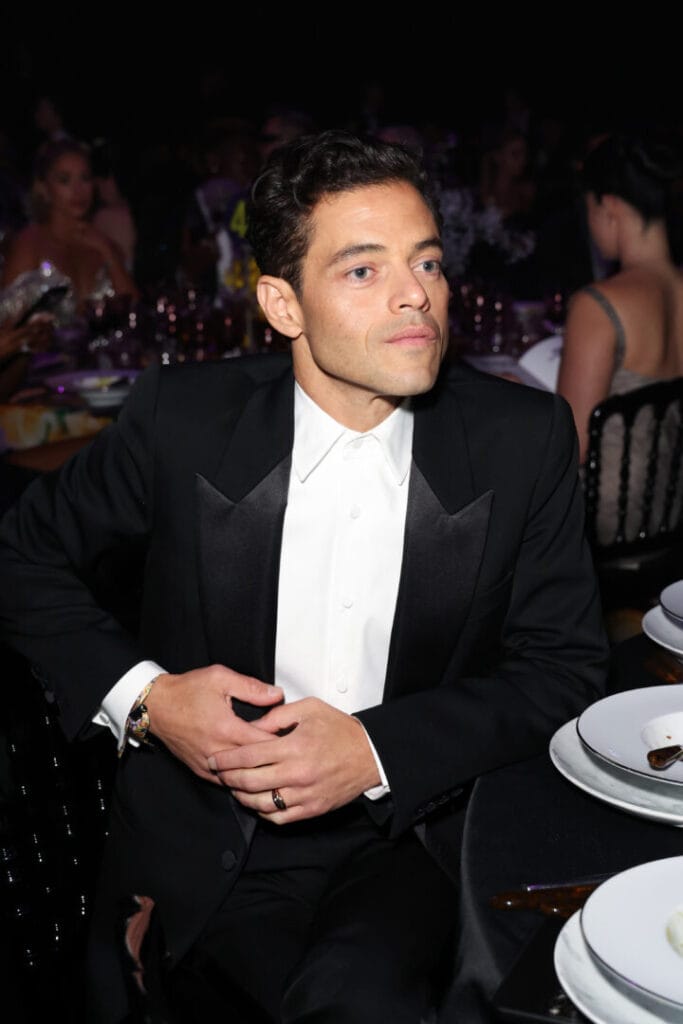
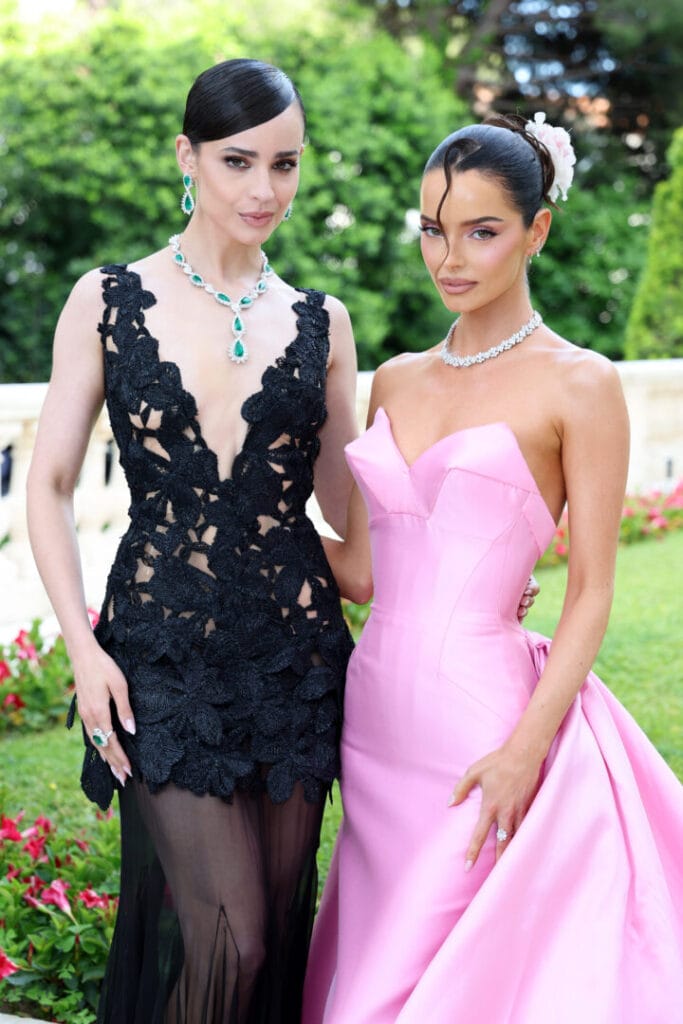
One of the evening’s most emotionally resonant moments came when host Geena Davis addressed the audience with a powerful reminder of why the night mattered. “What once seemed impossible — a cure for HIV — is now within reach,” Davis said. “Tonight, we have gathered here to help make sure amfAR has the funds it needs to continue to charge the path toward that goal: an end to AIDS.”
Moments later, Davis introduced Lizzo, whose performance instantly transformed the atmosphere inside the gala. Guests rose from their seats as Lizzo delivered powerhouse renditions of her newest single “Don’t Make Me Love U” alongside her Grammy-winning anthem “About Damn Time.” It was one of those rare Cannes moments where glamour, music, emotion, and philanthropy merged into something truly unforgettable.
That duality is what fascinates me most about Cannes today. The festival operates as both a symbol of fantasy and a platform for real-world influence. In many ways, the amfAR Gala perfectly captures that contradiction. It is undeniably extravagant — black-tie dress codes, couture gowns, diamond jewelry, luxury auctions, and world-class entertainment — yet beneath all of it lies a genuine philanthropic engine that has now generated nearly $325 million for AIDS research since the gala’s founding in 1993 under the leadership of the late Elizabeth Taylor.
Taylor understood something decades ago that still rings true today: celebrity attention can be transformed into activism. She recognized the immense power of visibility long before social media amplified public influence. What began as a bold humanitarian initiative has evolved into one of the most important philanthropic events in the entertainment industry.
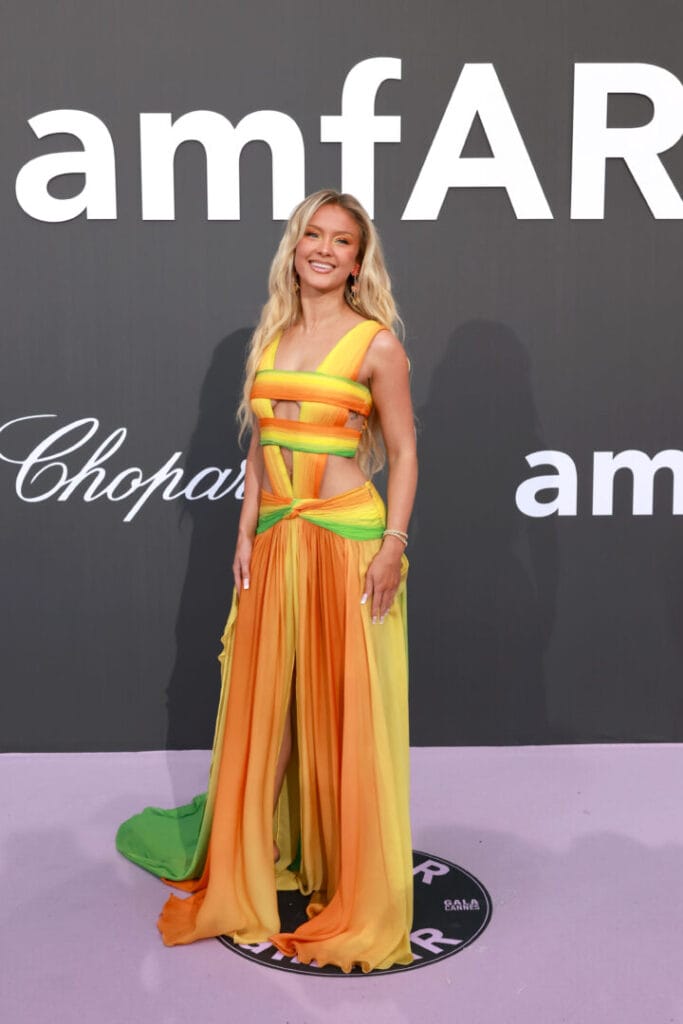
Walking through Cannes this year, it was impossible not to notice how deeply fashion continues to shape the identity of the festival. Luxury brands dominate the Riviera during Cannes. Every hotel terrace becomes a branded experience. Fashion houses host private dinners and yacht parties while jewelry companies compete for visibility through celebrity placements. Yet what made amfAR different was that the fashion element felt connected to a larger purpose rather than existing solely for image.

One of the standout moments of the evening was the “IDOLS” fashion presentation curated by legendary editor and stylist Carine Roitfeld. Roitfeld has long understood how to merge fantasy, sensuality, and storytelling through fashion, and this year’s presentation celebrated iconic personalities from film, music, and art. The runway featured extraordinary one-of-a-kind creations from global luxury houses including Louis Vuitton, Prada, Dolce & Gabbana, Tom Ford, Saint Laurent, and Vivienne Westwood.
The presentation felt theatrical and cinematic, but also highly strategic. Fashion at Cannes is no longer simply about aesthetics; it has become an economic and cultural language. Every appearance, collaboration, and sponsorship represents influence, media value, and global positioning. amfAR successfully harnesses that ecosystem by aligning luxury fashion with charitable giving.
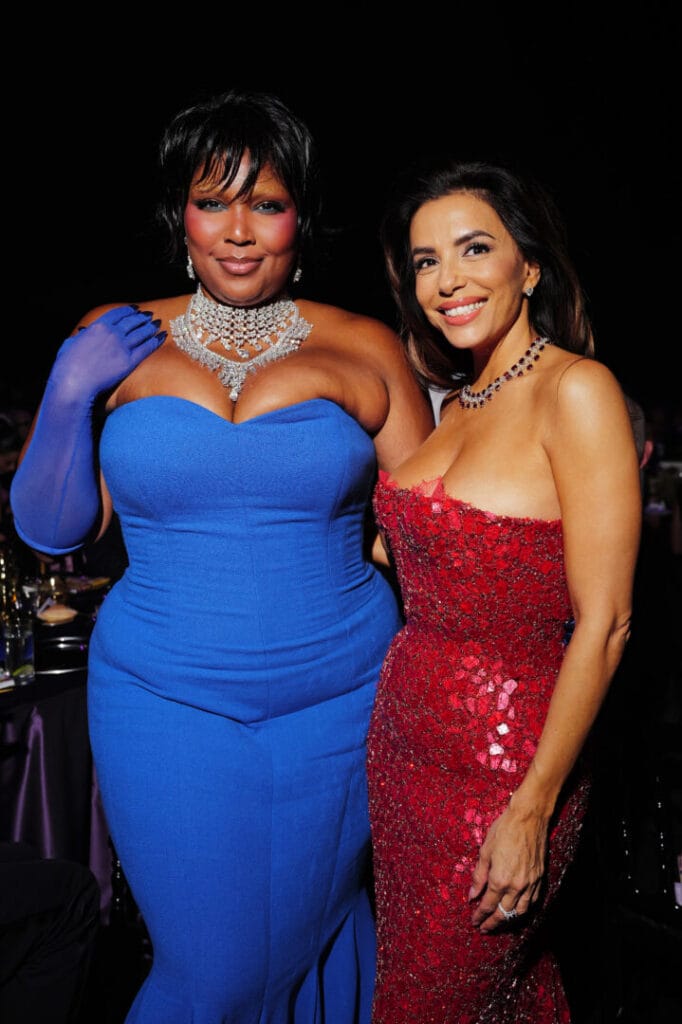
The entertainment throughout the evening elevated the emotional energy inside the gala. Lizzo brought the room to life with her commanding stage presence and unapologetic confidence. Her performance felt celebratory and empowering — exactly the kind of energy needed to balance the seriousness of the evening’s mission. Watching guests rise from their tables and dance together created a rare sense of unity in an environment often defined by exclusivity.
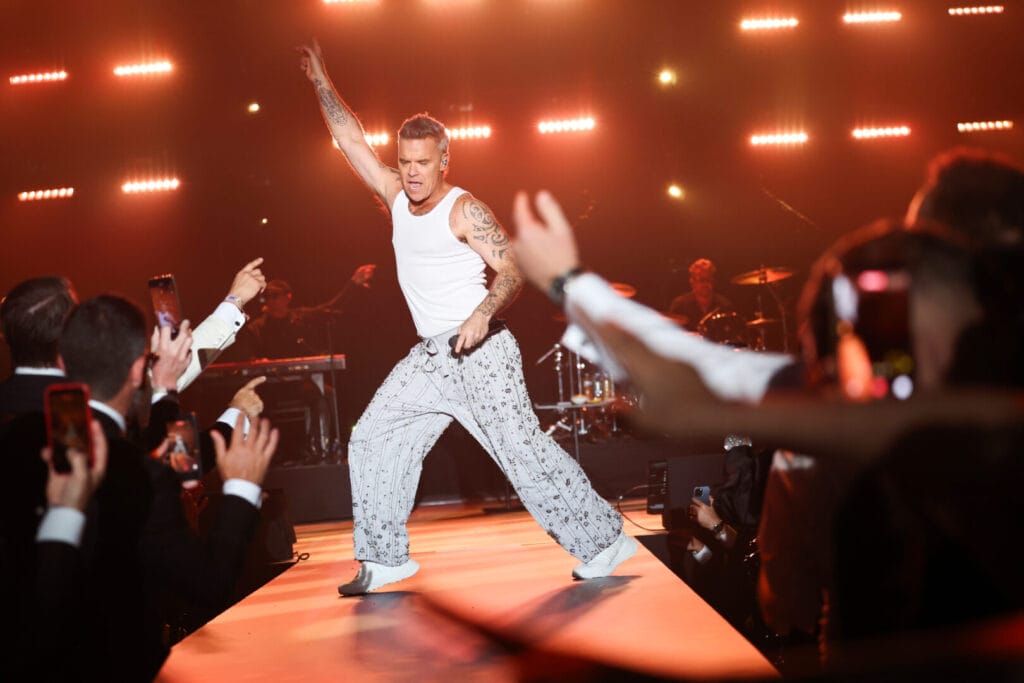
Later in the evening, Robbie Williams delivered a nostalgic and charismatic set filled with iconic hits that instantly transformed the atmosphere. There’s something uniquely effective about live music at charitable events. It lowers emotional barriers, creates collective experience, and inspires generosity in ways that speeches alone cannot achieve.
Zara Larsson closed the evening with a youthful energy that carried guests through the final hours of the gala. By that point, however, the night had already accomplished its larger mission. The fundraising total itself became the defining achievement of the evening.
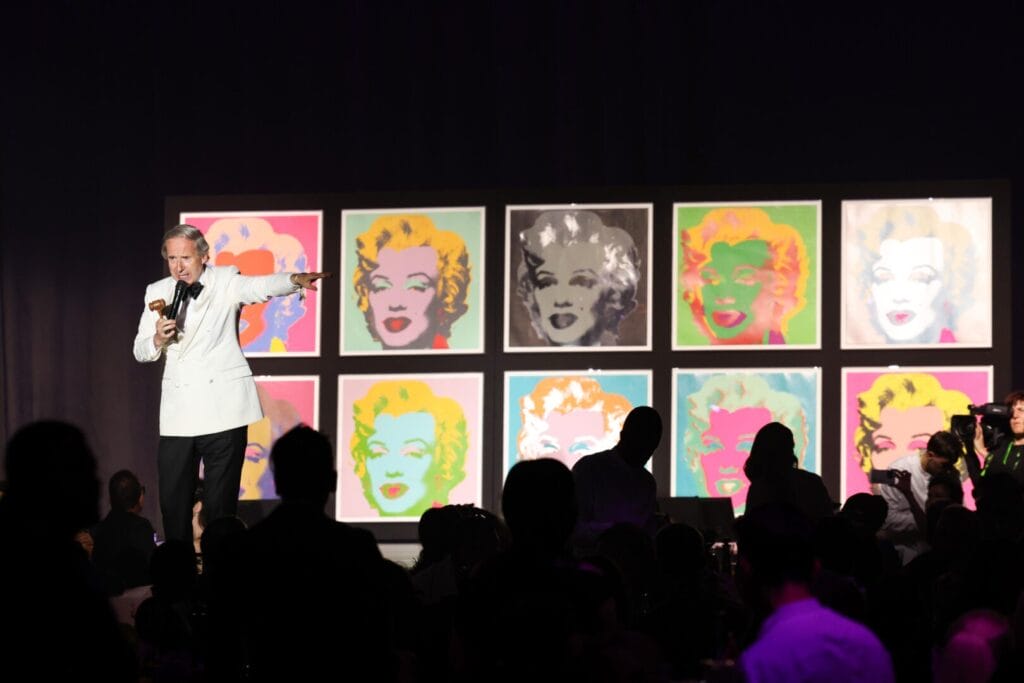
The live auction proved especially fascinating to observe. Auctioneer Simon de Pury once again demonstrated why he remains one of the most respected figures in the world of luxury charity auctions. Guests competed aggressively for rare experiences, fine jewelry, contemporary art, collectible watches, and highly exclusive opportunities. Highlights included Marilyn Monroe screenprints by Andy Warhol, rare Chopard diamond pieces, luxury automobiles, and even a walk-on role in the sixth season of Emily in Paris.
What struck me most was how philanthropy at Cannes has evolved into a cultural currency of its own. Supporting causes publicly has become an important extension of personal branding for celebrities, executives, and luxury companies alike. Some critics may view that cynically, but from my perspective, results matter. If influence can generate millions of dollars for lifesaving research, then the system — however glamorous — is ultimately serving a meaningful purpose.
Throughout the festival, conversations often revolve around distribution deals, fashion moments, celebrity gossip, and market trends. But the amfAR Gala shifted the focus toward humanity. It reminded attendees that visibility can be leveraged for more than promotion and prestige. In a media landscape increasingly driven by superficial attention spans, that felt refreshing.
The presence of influential figures including Eva Longoria, Heidi Klum, Rami Malek, Paul Pogba, and numerous leaders across entertainment, sports, and fashion reinforced the global reach of the event. Their attendance generated headlines, but their participation also helped sustain one of the most important philanthropic institutions connected to the entertainment industry.
As I reflect on Cannes 2026, I keep returning to one thought: the future of luxury events may depend on purpose. Audiences today want more than spectacle. They want meaning, accountability, and emotional connection. Events that combine glamour with social impact resonate far more deeply than parties built solely around exclusivity.
The amfAR Gala Cannes succeeded because it achieved both. It preserved the fantasy and elegance Cannes is known for while simultaneously channeling that energy toward scientific innovation and global health. In doing so, it became more than another celebrity gathering. It became a statement about what influence can accomplish when aligned with compassion.
And perhaps that is the most powerful takeaway from this year’s Cannes Film Festival. Beyond the designer gowns, yacht parties, and red-carpet flashbulbs, the real story was not simply who attended — it was what was accomplished. In a world often overwhelmed by division and uncertainty, watching $20 million raised in a single evening for lifesaving research offered something increasingly rare: genuine hope.
Save Article