From early banner ads to emotionally intelligent storytelling, luxury fashion has rewritten the rules of digital marketing. Now, Fendi’s new Way bag campaign reveals exactly where the future of influence is headed — and why it matters.
Luxury fashion did not always move at the speed of the algorithm. In fact, for decades the industry thrived on exclusivity built through glossy print, controlled distribution, and carefully choreographed runway moments. But somewhere between the rise of Instagram and the collapse of traditional media dominance, the most powerful houses in the world realized something profound: digital was no longer optional — it was existential.
From my vantage point as editor of StyleLujo.com and a longtime observer of the luxury sector, the shift has been nothing short of seismic. What began as tentative banner ads and repurposed campaign imagery has evolved into deeply strategic, culturally embedded digital ecosystems. Today’s luxury brands are not simply advertising online; they are architecting emotional narratives that live natively within the digital lives of consumers.
And few brands are executing this evolution with the clarity and precision of Fendi.
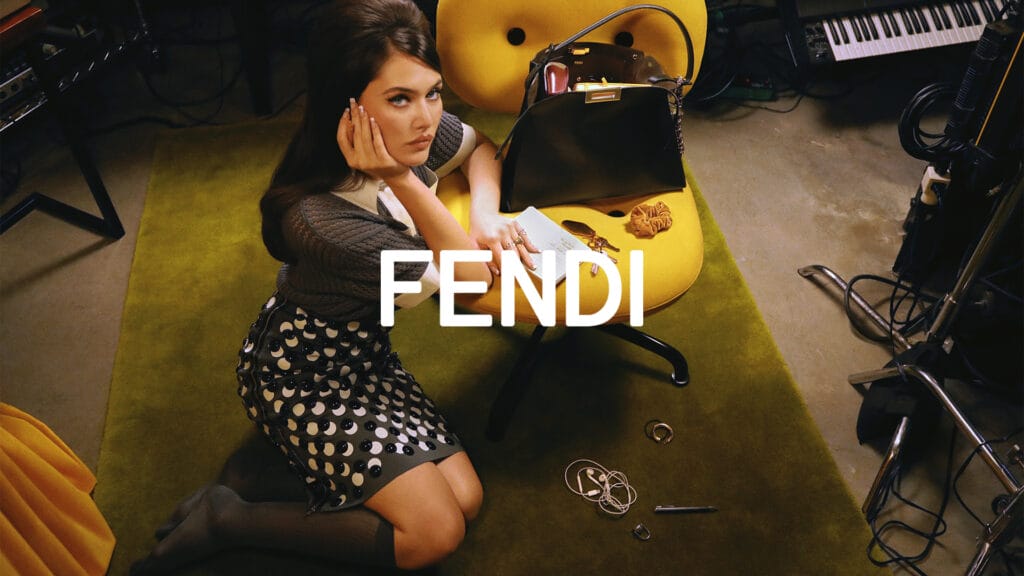
Their latest digital push for the FENDI Way bag is more than a campaign — it is a case study in how luxury is redefining influence in 2026.
The Digital Evolution of Luxury: How We Got Here
To understand why the FENDI Way campaign matters, you have to understand the journey luxury brands have taken over the past fifteen years.
Phase one: Resistance (pre-2012).
Luxury houses were skeptical of digital. The fear was dilution — that online accessibility would erode prestige. Campaigns remained print-first, and websites functioned more like brochures than commerce engines.
Phase two: Experimentation (2013–2018).
Instagram changed everything. Suddenly, brands could control visual storytelling while reaching younger consumers. Influencer marketing emerged, but early partnerships often felt transactional and overtly commercial.
Phase three: Integration (2019–2023).
Luxury began investing seriously in digital ecosystems: data analytics, social commerce, and content studios. Influencers were selected more carefully, often for aesthetic alignment rather than pure reach.
Phase four: Emotional intelligence (2024–present).
This is where we are now — and where Fendi is operating with notable sophistication. The goal is no longer visibility alone. It is cultural credibility, authenticity, and emotional resonance.
The modern luxury consumer — particularly Gen Z and younger millennials — does not respond to overt status signaling the way previous generations did. They want:
- authenticity
- multidimensional talent
- cultural relevance
- emotional storytelling
Fendi’s Way campaign is built precisely on these pillars.
Why Digital Strategy Is Now Mission-Critical for Luxury
Luxury brands are embracing aggressive digital strategies for three primary reasons.
First, audience migration. High-value consumers increasingly discover brands through social platforms rather than magazines or department stores. Even ultra-high-net-worth clients now begin their journey online.
Second, data intelligence. Digital campaigns allow brands to measure engagement, sentiment, and conversion with precision that print never offered.
Third — and most important — cultural velocity. Fashion cycles move faster than ever. Digital storytelling allows brands to remain present in the daily cultural conversation rather than appearing only during fashion month.
“Luxury fashion’s digital advertising has entered its most sophisticated era, where agentic AI, predictive analytics, and real-time cultural listenin are transforming campaigns into living, adaptive ecosystems. The smartest brands are no longer broadcasting static messages — they’re engineering emotionally intelligent narratives that respond dynamically to consumer behavior across platforms. In 2026, precision storytelling powered by data fluency and creator authenticity is the new currency of influence, and the houses that master this convergence of technology and taste will define the next decade of luxury.” — Joseph DeAcetis, Editor at StyleLujo.com and Professor at the Fashion Institute of Technology
What distinguishes leading luxury houses today is not whether they use influencers — it is how intelligently they curate them.
That brings us directly to the FENDI Way campaign.
Inside the FENDI Way Digital Campaign
At first glance, the campaign feels intimate, almost understated. But beneath the surface lies a highly strategic framework.
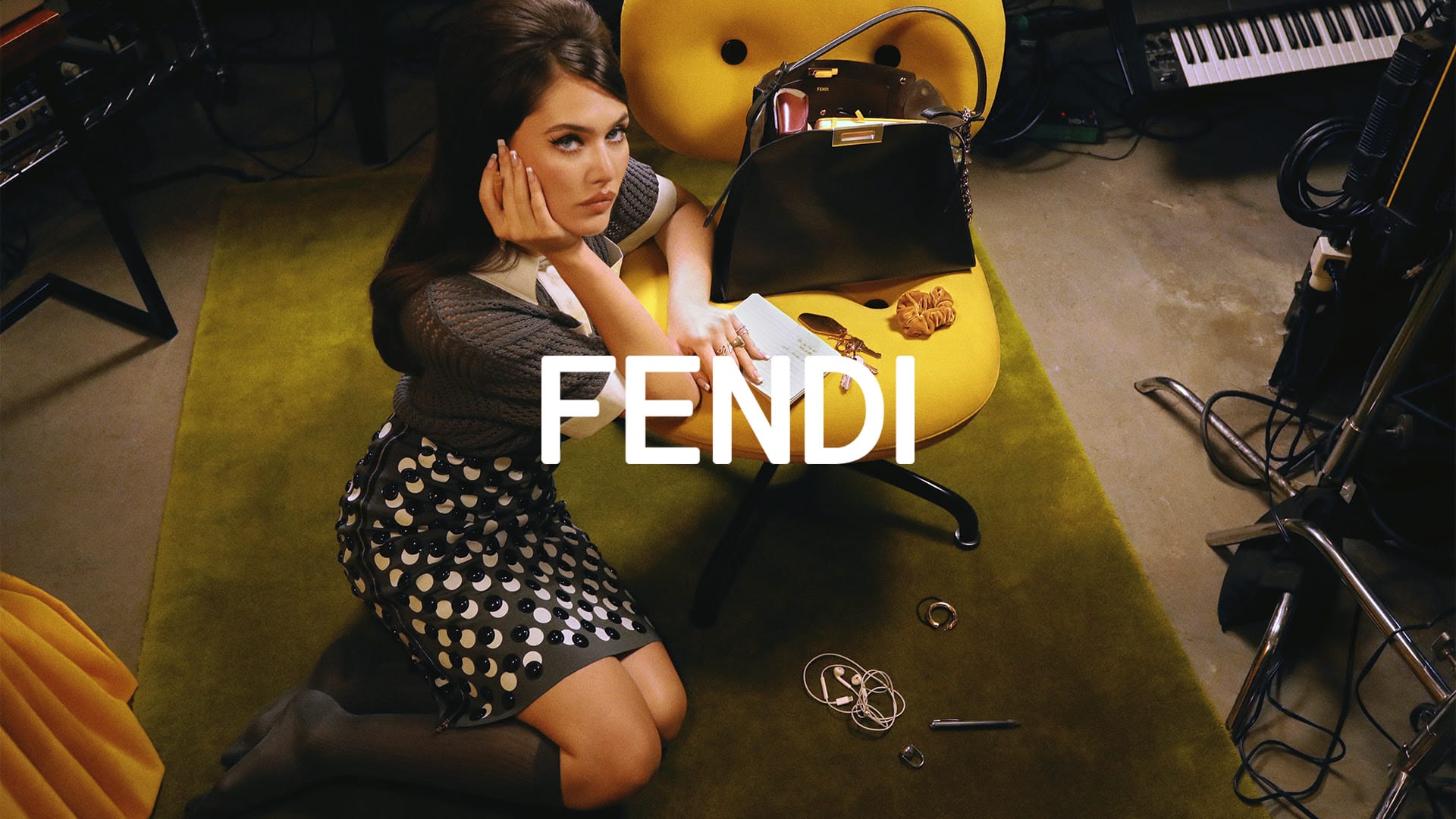
Fendi positions the Way bag around a powerful thematic core: independence, emotional intelligence, and self-defined creativity. Rather than casting traditional fashion models, the brand selected four multidisciplinary female creators whose audiences trust their authenticity.
The campaign was developed by The Mì‑Mì Project and directed by Ganna Bogdan, with photography by Bogdan and Emma Drew Berson — an all-female creative leadership choice that reinforces the campaign’s message of authorship and agency.
From a strategic standpoint, this is smart luxury marketing in 2026. It signals:
- creative credibility
- female empowerment
- cultural literacy
- emotional depth
But the real power lies in the talent selection.
Why These Influencers Matter
Sienna Spiro
Spiro represents the emotionally driven music consumer. The UK-born singer has built a rapidly expanding global audience, with breakout track “Die On This Hill” generating hundreds of millions of streams.
Where to find her: Primarily active on Instagram and TikTok, where she shares performance clips and behind-the-scenes studio moments.
Strategic fit:
Spiro embodies vulnerability paired with vocal power — precisely the emotional intelligence narrative Fendi is pushing. Her audience skews young, global, and highly engaged with music-fashion crossovers.
Why Fendi chose her (my view):
She brings cinematic emotion without overexposure. In luxury today, rising credibility often beats mass saturation.
Amber Mark
Amber Mark occupies a fascinating space between indie credibility and mainstream accessibility. Her genre-fluid sound — blending soul, R&B, and pop — mirrors luxury fashion’s current obsession with hybridity.
Where to find her: Strong Instagram presence, active on streaming platforms, and known for visually cohesive music releases.
Audience profile:
Her following includes culturally sophisticated listeners who value artistry over hype — exactly the consumer luxury brands are chasing in 2026.
Brand alignment:
Mark’s nomadic background and emotionally layered songwriting reinforce the campaign’s theme of multidimensional womanhood.
My take:
Fendi is smart to include her. She signals taste rather than trend-chasing, which strengthens the house’s cultural positioning.
Kilo Kish
Kilo Kish may be the campaign’s most intellectually strategic casting.
An interdisciplinary artist working across music, visual art, and design, she appeals to the art-fashion crossover audience that luxury brands increasingly covet.
Where to find her: Instagram for visual storytelling; also active through gallery and performance channels.
Why she matters:
Her work explores identity and interior life — themes that mirror the campaign’s emphasis on presence and self-definition.
From a luxury strategy perspective:
Including Kish signals that Fendi is speaking not just to consumers but to the creative class.
My perspective:
This is high-IQ casting. She brings conceptual depth that elevates the entire campaign narrative.
Kitty Cash
Brooklyn-born DJ Kitty Ca$h anchors the campaign in nightlife culture and sonic credibility.
Where to find her: Instagram and global festival circuits.
Audience reach:
Her followers span fashion, music, and club culture — a valuable cross-section for luxury brands seeking cultural relevance.
Strategic value:
She connects Fendi to the experiential economy — where luxury increasingly lives in moments, not just objects.
My read:
Her inclusion injects energy and urban authenticity, preventing the campaign from feeling overly polished.
The Bag Itself: A Closer Look at the FENDI Way
Let’s talk product — because ultimately, in luxury, the object must deliver.
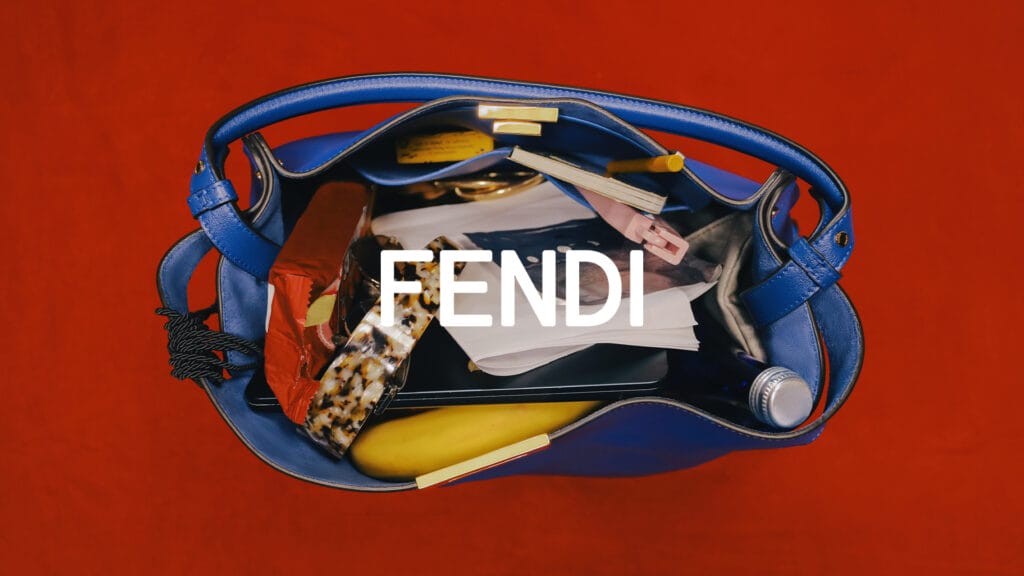
Unveiled on the Spring/Summer 2026 runway, the FENDI Way bag is a trapezoidal hobo silhouette that leans deliberately toward softness and ease. This is significant. For years, luxury handbags leaned structured and architectural. The Way signals a continued industry pivot toward relaxed elegance.
Design strengths I observe:
- generous yet controlled volume
- fluid shoulder drop
- tactile material contrasts
- modern trapezoid geometry
The material play is particularly compelling. Traditional leather exteriors are paired with unexpected suede interiors in high-impact tones — brown with lilac, dove with electric blue. Monochrome versions in vivid pink and turquoise reverse the palette, a move clearly designed for social media visibility.
From a merchandising standpoint, this is clever. The bag photographs beautifully — and in 2026, photogenic design is no longer optional.
My professional assessment of the bag:
The FENDI Way strikes a smart balance between heritage craftsmanship and contemporary softness. It is not trying to be the loudest bag in the room. Instead, it leans into what I would call quiet modern confidence — very much aligned with where luxury handbags are trending.
What This Campaign Signals About the Future
What fascinates me most is not the bag alone but what the campaign reveals about luxury’s next chapter.
We are witnessing a shift from:
- influence → authorship
- celebrity → multidimensional creators
- visibility → emotional credibility
- product focus → cultural narrative
Fendi understands that the modern luxury consumer wants to see themselves reflected in the brand universe — not just aspire to it from a distance.
The all-female creative leadership, the interdisciplinary casting, and the intimate visual language all point to a house that is thinking carefully about how luxury feels, not just how it looks.
My Final Verdict on Fendi’s Strategy
From my perspective, this is one of the more intelligently calibrated digital luxury campaigns of the season.
Fendi avoids the biggest mistake many heritage brands still make: confusing reach with relevance. Instead, the house has built a campaign rooted in:
- emotional authenticity
- cultural literacy
- strategic talent alignment
- product-story cohesion
Could the brand push even further into interactive digital experiences? Yes — and I suspect that is coming. But as a narrative-driven influencer campaign, the FENDI Way initiative feels timely, considered, and commercially astute.
As for the bag itself, I believe the FENDI Way has strong potential to become a quiet luxury staple rather than a flash-in-the-pan It bag. Its success will depend on sustained storytelling and smart retail execution — but the foundation is solid.
In the accelerating world of luxury digital marketing, one thing is clear to me: the brands that win in 2026 will not be the loudest. They will be the most emotionally intelligent.
And with the FENDI Way campaign, Fendi is very much speaking that language.
Save Article