
The Menswear Codes I Grew Up With Are Gone—But Taste Still Matters
As a fashion editor—and a lifelong menswear consumer—I’ve spent years watching the codes of men’s dressing evolve, fracture, and reform. I grew up in an era when a man’s wardrobe was built on a predictable foundation: a navy suit, a charcoal suit, a crisp white shirt, a few ties, and a pair of polished oxfords. Menswear was a language with rules, and those rules were universally understood.
But today? The codes have changed. They’ve loosened, stretched, blurred, and in some cases, disappeared entirely. Yet one truth remains: taste still matters. Fit still matters. Proportion still matters. And American men—who ultimately drive sales—still want to look good, not gimmicky.
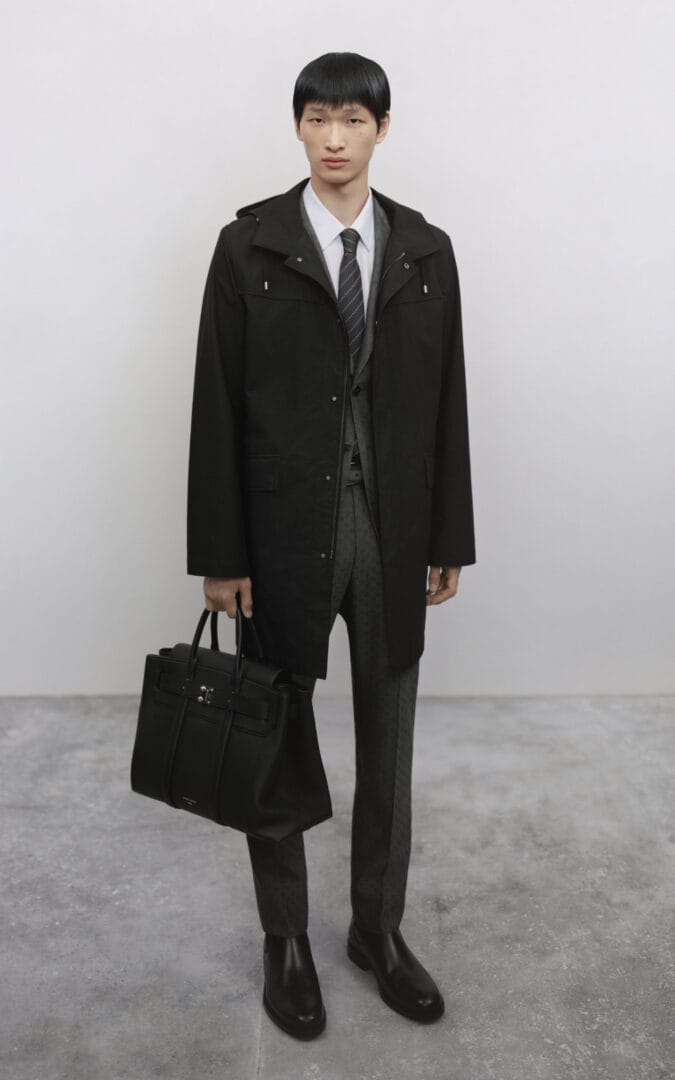
That’s why the new Louis Vuitton Formal Fall–Winter 2026 collection caught my attention. It arrives at a moment when menswear is sluggish, when consumers are cautious, and when designers are tempted to chase virality instead of viability. And while Pharrell Williams’ vision for LV menswear is undeniably modern, ambitious, and technically impressive, it also raises a critical question:
Are we designing for the runway—or for real men?
The New Menswear Codes: What Has Actually Changed?
1. Seasonless Dressing Is the New Normal
Men want wardrobes that work year-round. Transitional fabrics, layering pieces, and hybrid tailoring are no longer trends—they’re expectations.
2. Tech Fabrics Have Become a Status Symbol
Performance wool, water-repellent outerwear, stretch suiting, and engineered knits are now markers of luxury. Comfort is no longer optional.
3. Workwear and Tailoring Have Merged
Carpenter pockets on trousers, utility jackets over dress shirts, and hybrid blazers reflect a new code: function elevated to fashion.
4. Eveningwear Is Becoming Softer
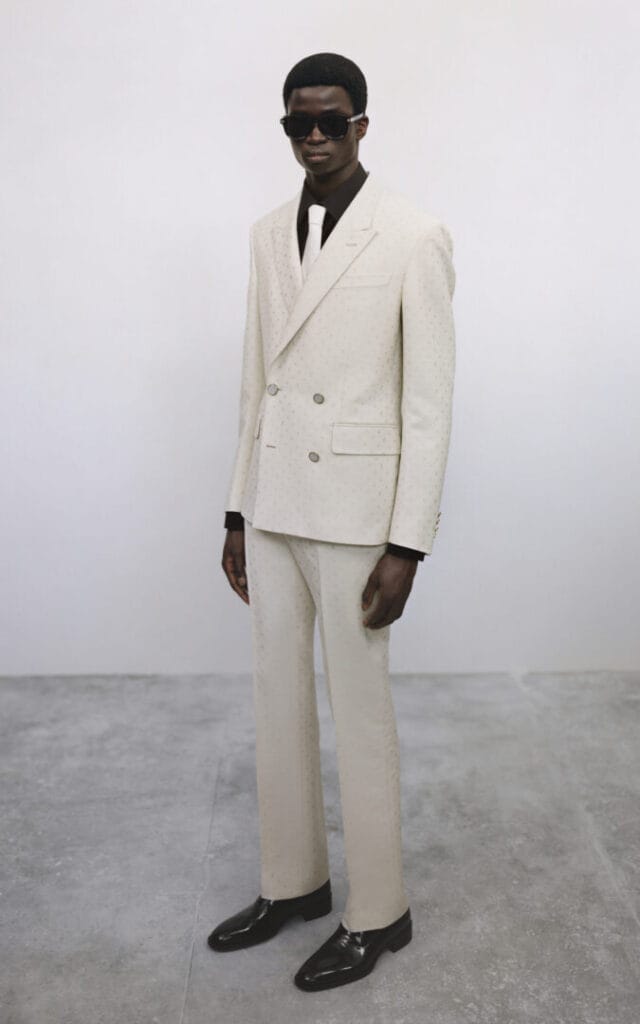
The tuxedo is no longer rigid. Dressing gowns, pyjama silhouettes, and fluid fabrics are redefining formal elegance.
5. Logos Are Subtle Again
Micro-patterns, tone-on-tone monograms, and quiet luxury details have replaced loud branding.
Louis Vuitton’s Fall–Winter 2026 Formal collection embraces many of these shifts beautifully—but not all of them land.
Where Louis Vuitton Gets It Right
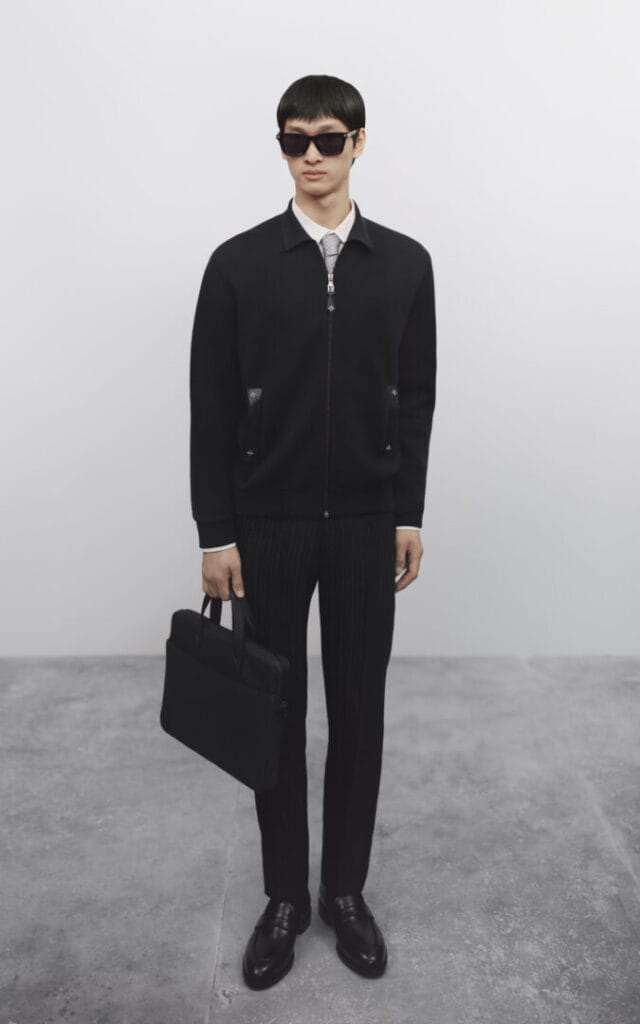
1. The Timeless Business Line Is a Masterclass in Modern Luxury
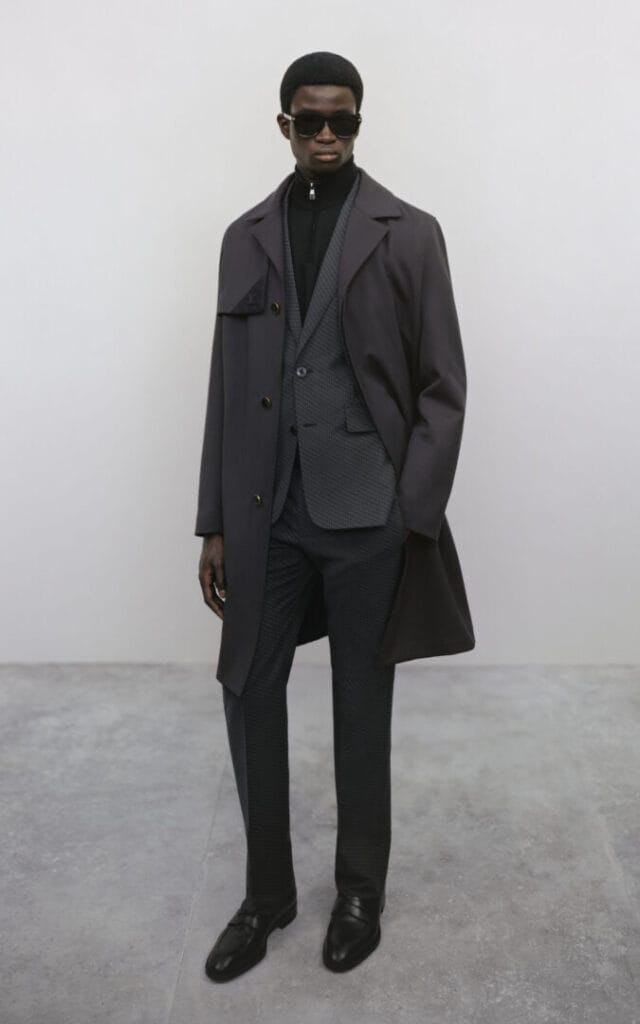
The superfine materials, micro-patterned pinstripes, Damier Seeds jacquards, and tone-on-tone monograms are exactly what American men want today: classic silhouettes with discreet personality.
These pieces feel expensive without shouting. They respect tradition while acknowledging modernity.
2. Modern Tailoring Hits the Sweet Spot Between Utility and Elegance
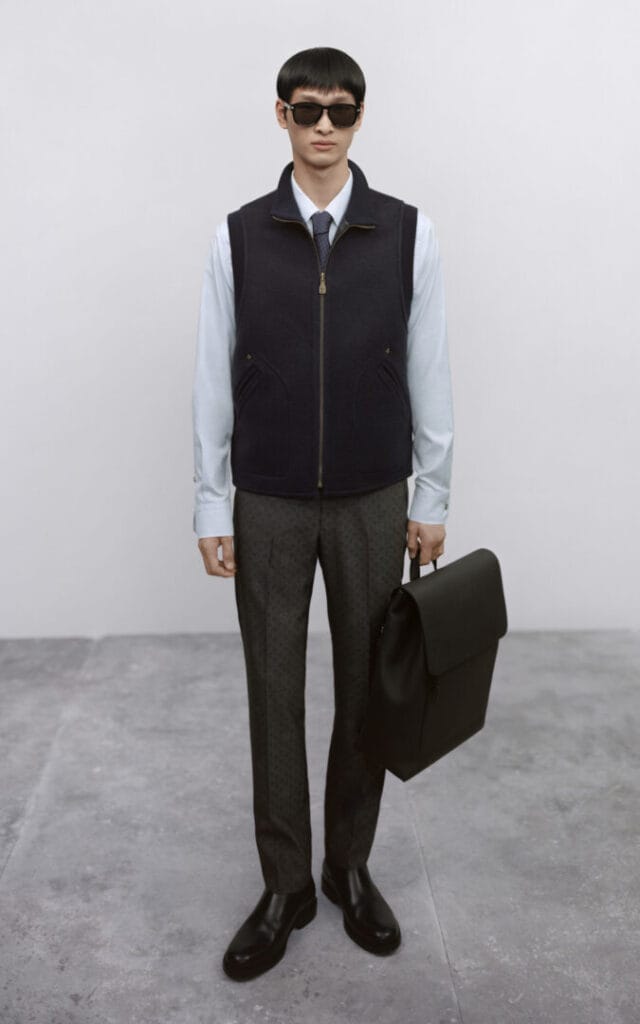
The crosshatching of workwear, uniforms, and dandyism is surprisingly cohesive. The reversible gilets, half-zip sweaters, and water-repellent ripstop parkas are practical without sacrificing polish.
The 3‑in‑1 technical jacket—with its removable inner vest and packable hood—is the kind of piece that sells because it solves real problems.
3. Knitwear Is a Standout Category
Silk-blend cardigans, pointelle Damier stripes, and embroidered crewnecks feel luxurious and wearable. These are the pieces American men will actually buy—and wear.
4. Eveningwear Shows True Innovation
The open-collar dressing gown silhouettes, silk mohair Gaston suits, and crystalline LV-line sweaters are fresh without being theatrical. The cheetah-print pyjama set is bold, but still elegant enough for a red carpet moment.
5. Footwear Is Strong Across the Board
The Varenne Richelieu, Sorbonne Loafer, and LV Flex Derby are beautifully executed. The new LV Gent Loafer—with its sacchetto construction—will be a commercial hit. It’s soft, modern, and discreetly luxurious.
Where Louis Vuitton Misses the Mark
And here’s where my editor’s eye—and consumer instincts—kick in.
1. Some Styling Choices Feel Out of Touch
Layering a technical parka over a short-sleeve dress shirt? Pairing carpenter-style trousers with a formal blazer? These combinations may photograph well, but they don’t translate to real life.
American men want versatility—not confusion.
2. The Workwear–Tailoring Hybrid Sometimes Goes Too Far
Utility pockets on wool trousers and embossed jean buttons on suiting risk drifting into costume territory. When menswear sales are already soft, pushing too hard on novelty can alienate the core customer.
3. The Cheetah Print Is a Risky Bet
While I appreciate the boldness, animal prints in menswear must be handled with extreme restraint. A pyjama set is one thing; a satin-finish wool suit is another. This is where taste becomes the deciding factor.
4. Some Proportions Feel Designed for the Runway, Not the Office
Oversized blousons with suede panels and silk sleeves are visually striking, but not necessarily practical. American men want pieces that transition from work to weekend—not pieces that require a stylist.
5. Accessories Walk a Fine Line Between Elegant and Excessive
The leather baseball cap with a monochromatic LV medallion is stylish, but risks feeling too street for a formal collection. The crocodile belts, on the other hand, are exquisite—but may feel out of reach for most consumers.
The Real Issue: Virality Doesn’t Equal Sales
Let’s be honest: a celebrity wearing a look on the red carpet—even if it goes viral—doesn’t guarantee commercial success at the point of sale. Social media buzz is not a business model – and investors and shareholders alike are all too aware of this.
“The menswear dress codes shaping 2026 and beyond reflect a decisive break from the rigid rules of the past. Where earlier generations relied on strict formality and predictable silhouettes, today’s man demands versatility, technical performance, and a refined ease that adapts to every environment. Yet even as the boundaries expand, the foundation remains unchanged: true style is still anchored in proportion, restraint, and impeccable taste. The future of menswear isn’t about abandoning tradition—it’s about elevating it for a world that moves faster and expects more.” — Joseph DeAcetis, Editor at Stylelujo.com and Menswear Professor at FIT
American men drive sales. They want clothing that makes them feel confident, competent, and well put together—during work hours and leisure time.
Designers must remember that the goal isn’t to impress other designers. It’s to dress real men.
The High Note: Louis Vuitton’s Strength Is Its Foundation
Despite the concerns, the Fall–Winter 2026 Formal collection is strong where it matters most:
- Tailoring is impeccable.
- Fabrication is forward-thinking.
- Footwear is exceptional.
- Eveningwear is innovative without losing elegance.
- The accessories are refined and collectible.
Pharrell Williams’ vision for LV menswear is ambitious, and when he leans into refinement rather than experimentation, the results are outstanding.
The collection succeeds when it respects the new menswear codes—comfort, versatility, subtle luxury, and technical excellence. It falters only when it tries too hard to reinvent what doesn’t need reinventing.
The Future of Menswear Is Taste, Not Trend
As menswear continues to evolve, the brands that will thrive are the ones that understand a simple truth:
Men don’t want costumes. They want clothes.
Clothes that fit. Clothes that function. Clothes that feel modern without feeling ridiculous. Clothes that make them look like the best version of themselves.
Louis Vuitton’s Fall–Winter 2026 Formal collection gets many of these elements right—and when it does, it’s exceptional. But the path forward is clear: design for the man, not the moment.
What part of the collection would you like to explore more deeply—the tailoring, the eveningwear, or the technical outerwear?
Save Article