
From Mourning Cloth to Digital-Age Uniform — How the Color Black Became Fashion’s Most Radical Expression
Fashion has always been obsessed with color. Every season designers present a new palette meant to capture the cultural mood of the moment—electric greens, hyper-saturated pinks, metallic silvers, sun-washed neutrals. But amid this constant carousel of color, one shade has quietly dominated wardrobes for centuries.
Black.
As both an editor covering global fashion and a professor at the Fashion Institute of Technology, I often tell my students that black clothing may be the most culturally complex color story in the history of apparel. It is not simply a neutral. It is a narrative—one shaped by power, rebellion, modernity, and now, digital culture.
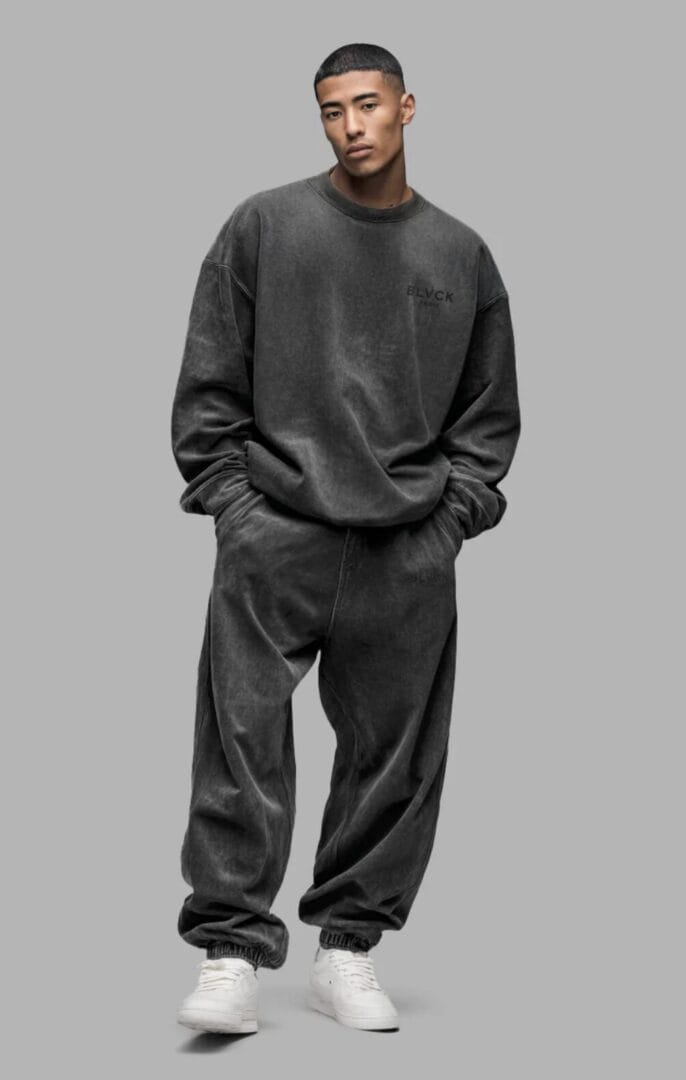
Today, in a world overwhelmed by trends, black has once again become fashion’s most deliberate statement. And no contemporary brand has embraced that philosophy more completely than BLVCK Paris.
But to understand why the brand resonates so strongly with today’s consumers, we need to step back and examine how black clothing evolved from a symbol of power to the ultimate modern aesthetic.
When Black Meant Wealth, Not Simplicity
Contrary to popular belief, black clothing was not always associated with minimalism.
In fact, during the 15th and 16th centuries, black garments were among the most expensive textiles a person could own. Achieving a rich, saturated black dye was technically difficult. Fabrics had to be dyed repeatedly using costly pigments, making deep black garments a luxury reserved primarily for royalty and aristocrats.
Spanish royal courts during the reign of King Philip II famously embraced black attire as a visual expression of authority and restraint. Portraits from the era depict nobles dressed almost entirely in black velvet, silk, and wool.
The message was clear: black symbolized seriousness, discipline, and power.
Even in these early centuries, black communicated something deeper than color—it communicated identity.
The Victorian Era: Black as Mourning
By the 19th century, black clothing took on an entirely different cultural meaning.
During the Victorian era, mourning rituals dictated strict dress codes for widows and families following the death of a loved one. Black clothing became the universal symbol of grief and remembrance.
Queen Victoria herself wore black for the remainder of her life after the death of Prince Albert in 1861. Her public mourning solidified the association between black garments and solemnity.
Yet fashion, as we know, never stands still. And in the early 20th century, black would undergo one of the most important transformations in style history.
The Moment Black Became Fashion
One of the most pivotal moments in fashion occurred in 1926 when Coco Chanel introduced the now-legendary “Little Black Dress.” When the design appeared in Vogue, the magazine famously compared it to the Ford Model T—simple, accessible, and revolutionary.
Chanel reframed black clothing entirely.
Instead of mourning, black now symbolized elegance and modernity.
The Little Black Dress democratized sophistication, making refined style available to women beyond the aristocracy. Suddenly, black was not only acceptable for everyday wear—it was essential.
For decades that followed, black would continue to evolve.
In the 1980s, avant-garde Japanese designers such as Yohji Yamamoto and Rei Kawakubo introduced collections dominated by black silhouettes that challenged Western ideals of beauty and proportion. Their work redefined black as intellectual, architectural, and rebellious.
In New York, designers such as Donna Karan built entire wardrobes around black garments, emphasizing practicality for urban life.
By the end of the 20th century, black had become fashion’s ultimate uniform.
Enter the Digital Era
Fast-forward to today, and fashion operates at a radically different speed.
Social media platforms push micro-trends faster than any era before. One week the fashion world is obsessed with neon. The next week it’s pastel “coquette” aesthetics. Then metallic futurism. Then quiet luxury.
The result?
Trend fatigue.
Young consumers—particularly Gen Z—are increasingly rejecting the pressure to constantly update their wardrobes. Instead, they are gravitating toward aesthetic consistency.
Black clothing provides that stability.
Monochrome wardrobes create visual clarity in a world saturated with digital noise. Black garments communicate intentionality, confidence, and restraint.
And it’s precisely this cultural shift that allowed one brand to turn monochrome into an entire lifestyle movement.
The Rise of the “All-Black Lifestyle”
Founded in 2017 by French designer and entrepreneur Julian O’hayon, BLVCK Paris began as a creative experiment on social media.
O’hayon, who had a background in digital design and branding, started creating visuals imagining everyday objects redesigned entirely in black. The aesthetic struck a chord with online audiences.
What began as digital imagery quickly evolved into a full lifestyle brand.
Today BLVCK Paris produces apparel, accessories, leather goods, and lifestyle products built around one uncompromising concept:
Everything is black.
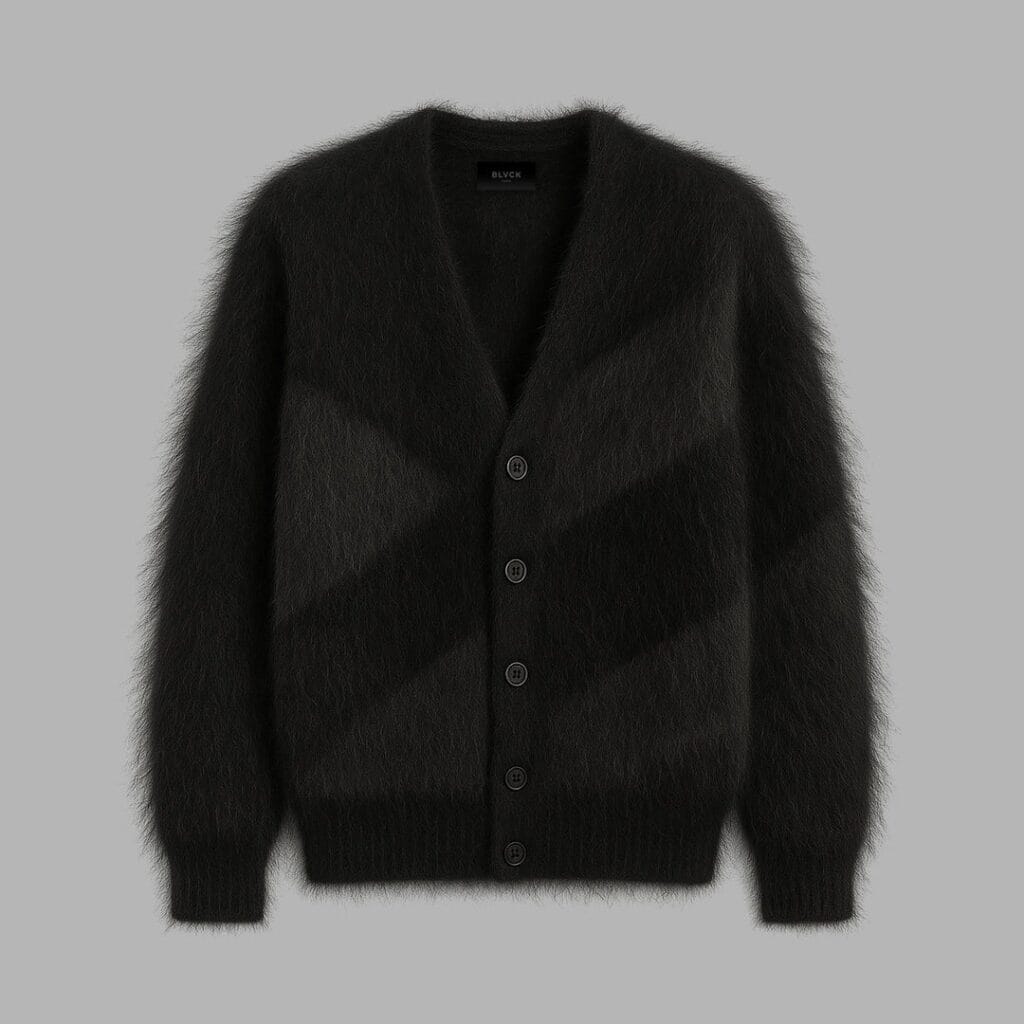
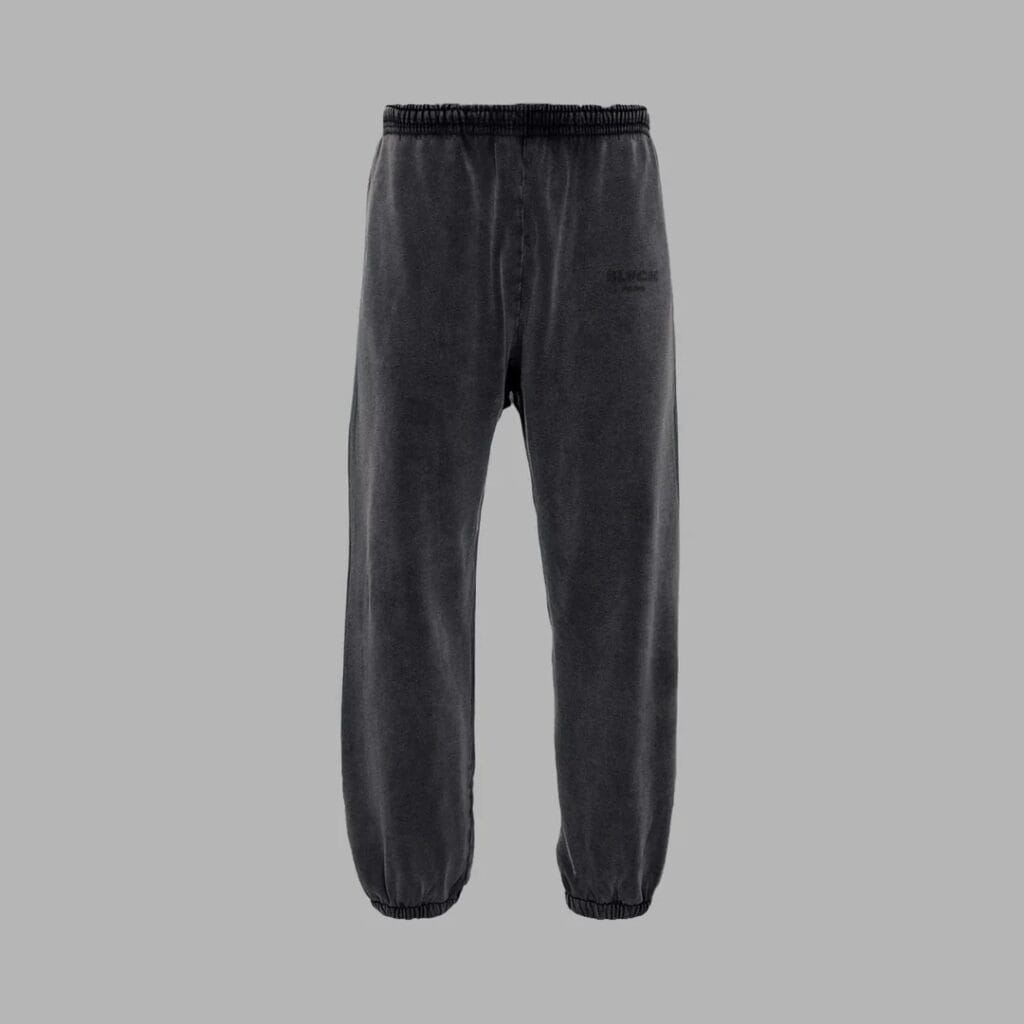
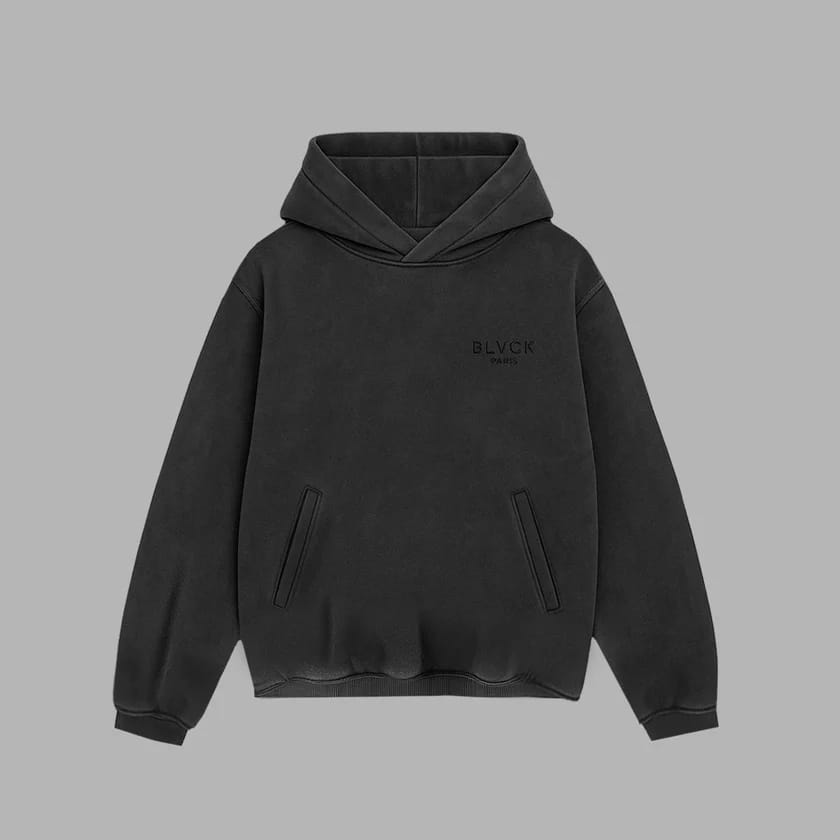
From hoodies and sweatpants to tennis skirts and mohair cardigans, the brand’s collections maintain a strict monochrome identity that immediately distinguishes it in a crowded marketplace.
The Pillars Behind the Brand
From a business perspective—something I emphasize in my lectures at FIT—the success of BLVCK Paris rests on several key strategic pillars.
1. Radical Brand Consistency
Many fashion brands shift aesthetics from season to season.
BLVCK Paris does the opposite.
Every product, visual campaign, and retail environment reinforces the same monochrome identity. This discipline creates instant recognition and strengthens brand equity.
2. Digital-First Community
The brand initially grew through Instagram and online communities before expanding into physical retail.
This approach aligns perfectly with a generation that experiences fashion primarily through digital platforms.
3. Lifestyle Positioning
BLVCK Paris does not position itself simply as a clothing label. It promotes what it calls the “All-Black Lifestyle.”
Consumers are not just buying garments—they are adopting an aesthetic identity.
The Target Consumer
Understanding the audience behind the brand reveals why the concept resonates so strongly today.
Demographic
The core consumer falls between 18 and 35 years old, with strong engagement from Gen Z and younger millennials.
They are globally connected, urban, and highly active on social media platforms.
Psychographic
Equally important are the psychological motivations driving these consumers.
The BLVCK Paris customer values:
• minimalism
• visual identity
• streetwear culture
• digital aesthetics
• curated personal branding
In other words, they are less interested in chasing trends and more interested in building a recognizable personal style.
Why Monochrome Works in the Social Media Era
There’s also a practical reason black clothing thrives online.
Black photographs exceptionally well.
Against colorful backdrops and dynamic urban environments, black garments create strong visual contrast. The result is clean, editorial imagery that stands out in crowded social media feeds.
This aesthetic discipline is part of what makes BLVCK Paris so appealing to digital creators and influencers.
In a world where personal branding matters, black clothing offers visual coherence.
Where to Purchase BLVCK Paris
Consumers can purchase products directly through the brand’s official website:
blvck.com
The brand has also expanded internationally through select retail partners and concept stores, reaching customers across North America, Europe, and Asia.
Affiliate access is available through Skimlinks, allowing digital publishers and editors to integrate the products seamlessly into editorial content.
Why the Brand Stands Out
In an industry flooded with trend-driven labels, BLVCK Paris distinguishes itself through focus.
While other brands chase seasonal palettes, BLVCK Paris has committed fully to monochrome identity. That kind of discipline is rare in contemporary fashion.
In my classroom discussions at FIT, I often challenge students with a simple question:
“What does your brand stand for?”
For BLVCK Paris, the answer is crystal clear.
Black is not just a color. It’s a philosophy.
The Cultural Meaning of Black Today
What fascinates me most about black clothing in the modern era is how its meaning continues to evolve.
In the Renaissance, black represented wealth.
In the Victorian era, it symbolized mourning.
In the 20th century, it represented modern sophistication.
Today, black communicates something new:
control.
In a digital environment overflowing with visual noise, black clothing offers clarity. It strips fashion back to silhouette, proportion, and identity.
And perhaps that’s why monochrome wardrobes feel so refreshing today.
They slow fashion down.
Final Thoughts: Why Black Still Matters
After decades covering the fashion industry—and years teaching the next generation of designers—I’ve learned that the most powerful trends are rarely loud.
They are quiet, disciplined, and intentional.
Black clothing has survived centuries because it allows the wearer to define the narrative.
Not the color.
Not the trend.
The individual.
And in a world addicted to the next big thing, that might be fashion’s most radical idea of all.
Save Article