
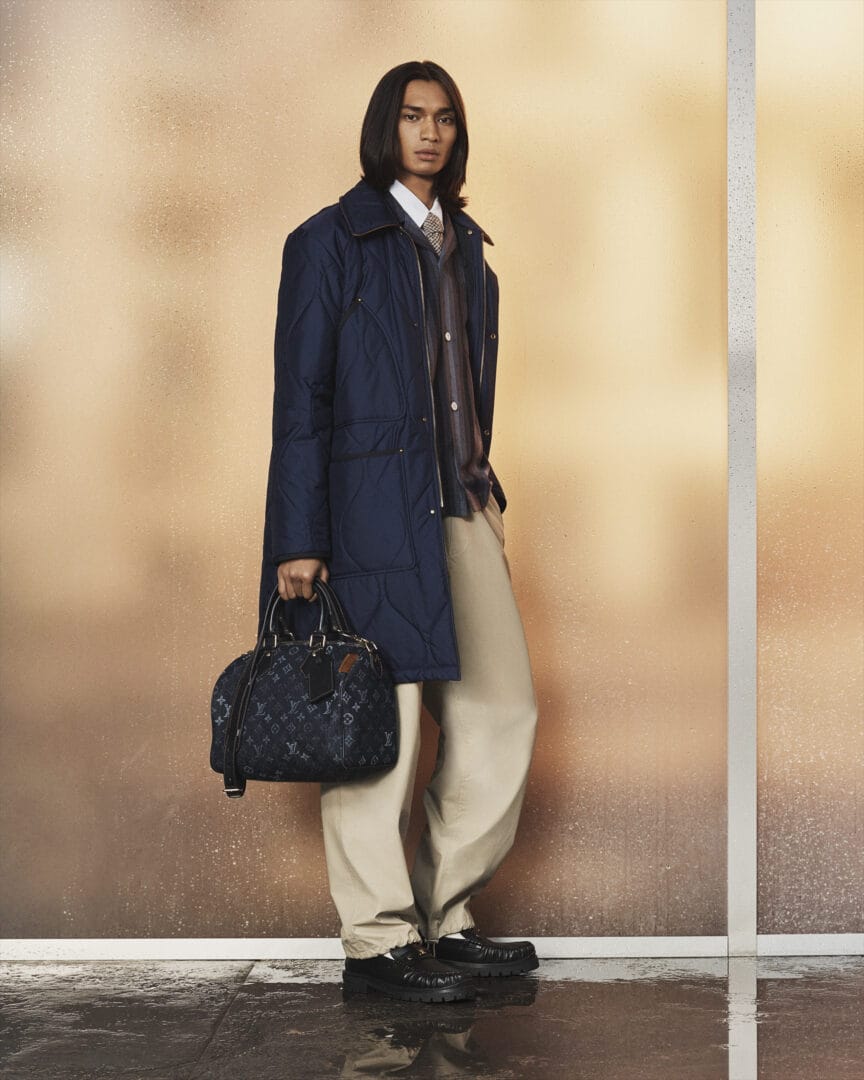
LOUIS VUITTON SPRING-SUMMER 2027 MEN’S PRE-COLLECTION:
THE FUTURE OF MENSWEAR ARRIVES QUIETLY
Why Luxury Menswear Must Evolve
Luxury fashion is entering a new chapter. As Louis Vuitton unveils its Spring-Summer 2027 Men’s Pre-Collection, the timing couldn’t be more significant. With 2027 now just months away, the fashion industry finds itself approaching the end of a transformative decade. The 2020s have reshaped nearly every aspect of menswear—from how consumers shop and travel to how they define luxury itself.
The End of the 2020s and the Rise of Adult Gen Z
Perhaps no generation illustrates this shift more than Gen Z. The oldest members of Gen Z wil soon be approaching 30 years old in the next couple of years. They are entering their peak earning years, building careers, purchasing homes, starting families, and redefining what luxury means for a generation that grew up online and experienced global uncertainty unlike any generation before them. This evolution presents both an opportunity and a challenge for luxury houses such as Louis Vuitton.
The customer has changed. Today’s luxury consumer is no longer captivated solely by status symbols or logo-heavy fashion. He seeks functionality, authenticity, craftsmanship, sustainability, technological innovation, and versatility. He travels frequently, works remotely, crosses cultural boundaries effortlessly, and moves between cities, climates, and social settings with unprecedented fluidity.
According to the BoF-McKinsey State of Fashion report, approximately 73% of U.S. Gen Z consumers report changing their spending habits because of rising prices, while 50% prefer exploring new brands rather than remaining loyal to a single label. This illustrates why luxury houses such as Louis Vuitton can no longer rely solely on heritage and logo recognition to drive growth among younger consumers.
The Top 5 Things Gen Z Men Want From Luxury Fashion Today
Based on research from McKinsey, The Business of Fashion, Fashion Network, and broader luxury consumer studies, five themes consistently emerge among Gen Z luxury consumers.
1. Authentic Quality Over Logo Status
Gen Z is increasingly skeptical of luxury brands that rely solely on logos and heritage. They want products that justify their price through superior materials, craftsmanship, durability, and design innovation. As luxury brands face growing scrutiny over value, consumers are demanding tangible quality rather than symbolic prestige.
2. Versatility and Functionality
Today’s young luxury customer wants clothing that works across multiple environments—from business meetings to travel to social occasions. The demand for adaptable wardrobes has accelerated as hybrid work, global travel, and lifestyle flexibility reshape modern dressing habits. Louis Vuitton’s weather-adaptive Spring-Summer 2027 collection speaks directly to this trend.
3. Technology and Innovation
Luxury consumers increasingly expect innovation in fabrics, construction techniques, customization, and shopping experiences. From technical textiles to AI-powered personalization and advanced manufacturing techniques, Gen Z views innovation as an essential component of luxury.
4. Sustainability and Responsible Production
While price remains important, younger luxury consumers consistently rank sustainability among their top purchasing considerations. They want transparency, ethical sourcing, circularity, and products built to last longer. Luxury purchases are increasingly viewed as investments rather than impulse buys.
5. Personal Expression and Individuality
Perhaps more than any previous generation, Gen Z values customization and self-expression. They are drawn to products that allow them to communicate their identity rather than conform to traditional luxury standards. Customization, personalization, and unique storytelling continue to influence purchasing decisions.
Louis Vuitton SS27: The Good, The Commercial, and The Practical
In many ways, the world has become smaller.Digital connectivity, social media, global travel, and cultural exchange have created a more universal approach to dressing. While regional differences still exist, menswear today increasingly reflects a global language of style built around comfort, performance, luxury, and practicality.

Is Louis Vuitton’s Next Big Change a Creative Leadership Change?
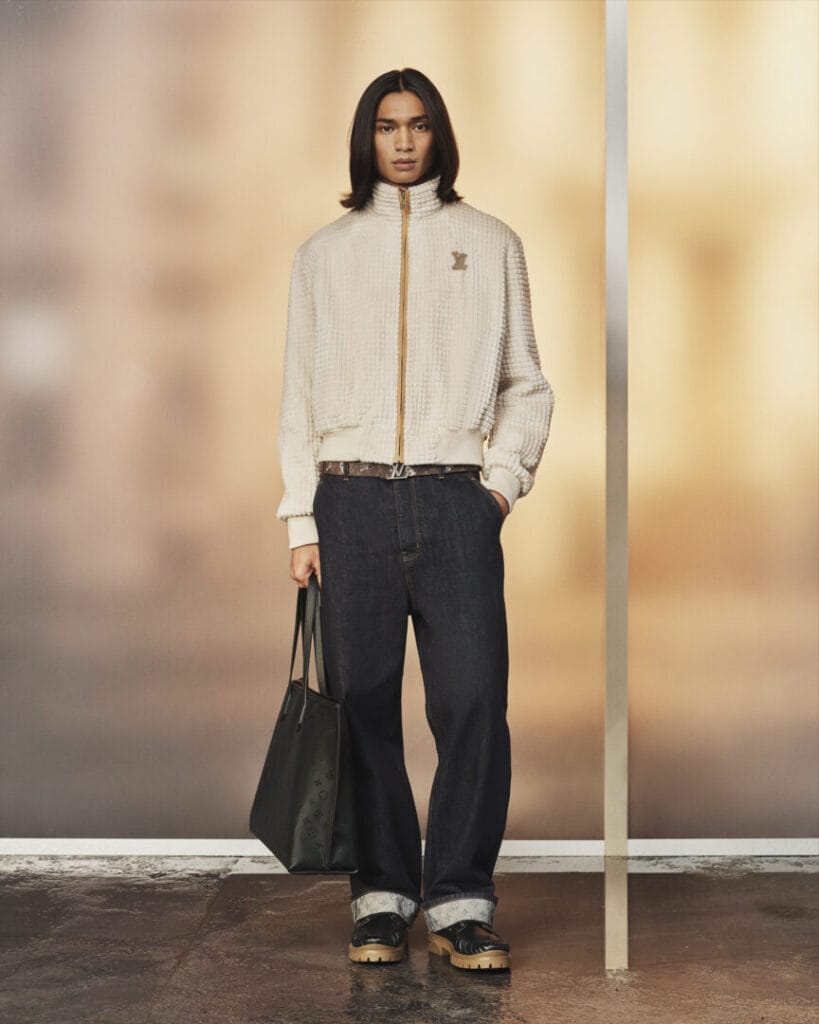
This reality forms the foundation of Louis Vuitton’s Spring-Summer 2027 Men’s Pre-Collection. Titled “Whatever The Weather,” the collection explores adaptability. Under the creative direction of Pharrell Williams, the wardrobe is designed for the modern traveler navigating changing climates, shifting dress codes, and a life lived between continents. The collection is thoughtful. It is polished. It is commercially intelligent. But it is not earth-shattering. And perhaps that is exactly the point.
Rather than attempting to reinvent menswear, Louis Vuitton appears focused on refining it. The collection acknowledges where the market stands today and where luxury consumers are headed tomorrow. Among the strongest examples is the Monogram Reporter story, which blends coated canvas, suede, leather, technical nylons, and elevated workwear references. The weathered finishes and mixed-material constructions feel contemporary while maintaining the heritage codes that Louis Vuitton customers expect.
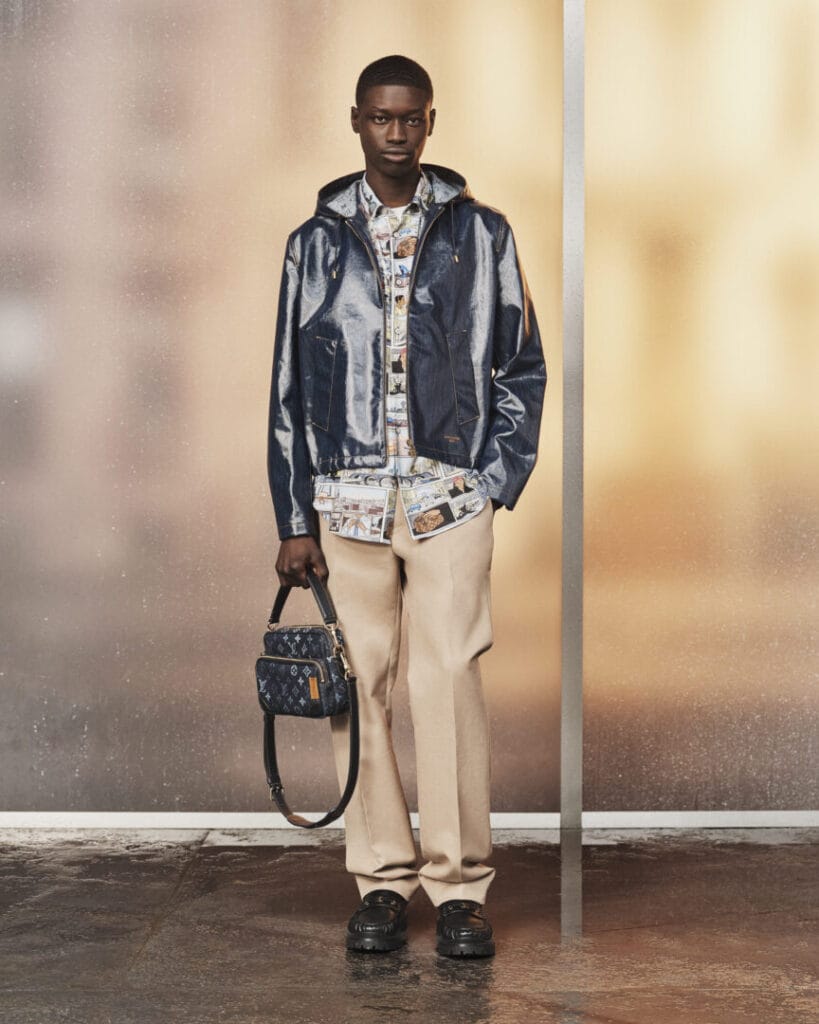
Equally compelling is the Trompe L’Oeil Jersey program. Through sophisticated printing techniques, leather garments mimic traditional grey sweatshirts, blurring the line between luxury craftsmanship and everyday casualwear. The concept feels particularly relevant for a generation that has embraced elevated comfort as a permanent lifestyle choice rather than a temporary trend. The standout pieces include the leather Trompe L’Oeil zip hoodie, which successfully merges luxury fabrication with streetwear familiarity, and the updated LV Ranger boot, a lightweight outdoor-inspired design that reflects consumers’ growing preference for versatile footwear capable of moving seamlessly between urban and travel environments. What Pharrell Williams aims to accomplish best here is the marriage of technology and luxury – although, when it comes to this new frontier strategy, he is surely not the first pioneer to attempt to do this. In fact, the ediotors at stylelujo.com receive similiar pitches from menswear brands each week.
Throughout the collection, advanced fabrications, reversible garments, packable outerwear, laser-printing techniques, and weather-resistant materials coexist alongside cashmere, leather, tailoring, and traditional craftsmanship. This hybrid approach mirrors the expectations of modern consumers. Luxury today is no longer defined exclusively by formality. Increasingly, it is measured by functionality, innovation, and utility. Yet the broader question facing Louis Vuitton extends beyond clothing.
It concerns positioning. Luxury brands are under growing pressure to maintain relevance across increasingly fragmented consumer segments. While fashion remains global, purchasing behavior is becoming more localized. The American luxury customer dresses differently from his counterparts in Paris, Shanghai, Seoul, Dubai, or Tokyo. The challenge for Louis Vuitton—and for every global luxury powerhouse—is developing a full-funnel strategy that appeals across multiple markets while preserving a coherent brand identity. This balancing act becomes increasingly difficult as younger consumers demand greater personalization and cultural relevance. Designers can stretch a singular creative vision only so far. Eventually, market realities demand adaptation.


As Asia continues to represent one of luxury’s most influential growth engines, many industry observers are beginning to question whether future creative leadership at major luxury houses may become increasingly reflective of these changing demographics and regional influences. Could a future Louis Vuitton creative structure involve a broader design team model that reflects global market segmentation more directly? The possibility cannot be dismissed. Louis Vuitton remains one of fashion’s most influential cultural figures, but the long-term future of luxury may depend less on celebrity influence and more on understanding the nuanced needs of diverse consumer groups worldwide.
American men, for example, continue to prioritize practicality, comfort, versatility, and value differently than consumers in many international markets. Their luxury purchases often serve different lifestyle needs than those of customers in Asia or Europe. For Louis Vuitton, remaining relevant will require more than exceptional products. It will require exceptional listening.
The Spring-Summer 2027 Men’s Pre-Collection demonstrates that Louis Vuitton understands many of these realities. The collection may not introduce a revolutionary silhouette or redefine menswear overnight, but it succeeds in something arguably more important. It reflects where luxury menswear stands today. And perhaps more importantly, where it is headed tomorrow. As the decade draws toward its conclusion, Louis Vuitton is not chasing the future. It is quietly preparing for it.
Save Article