
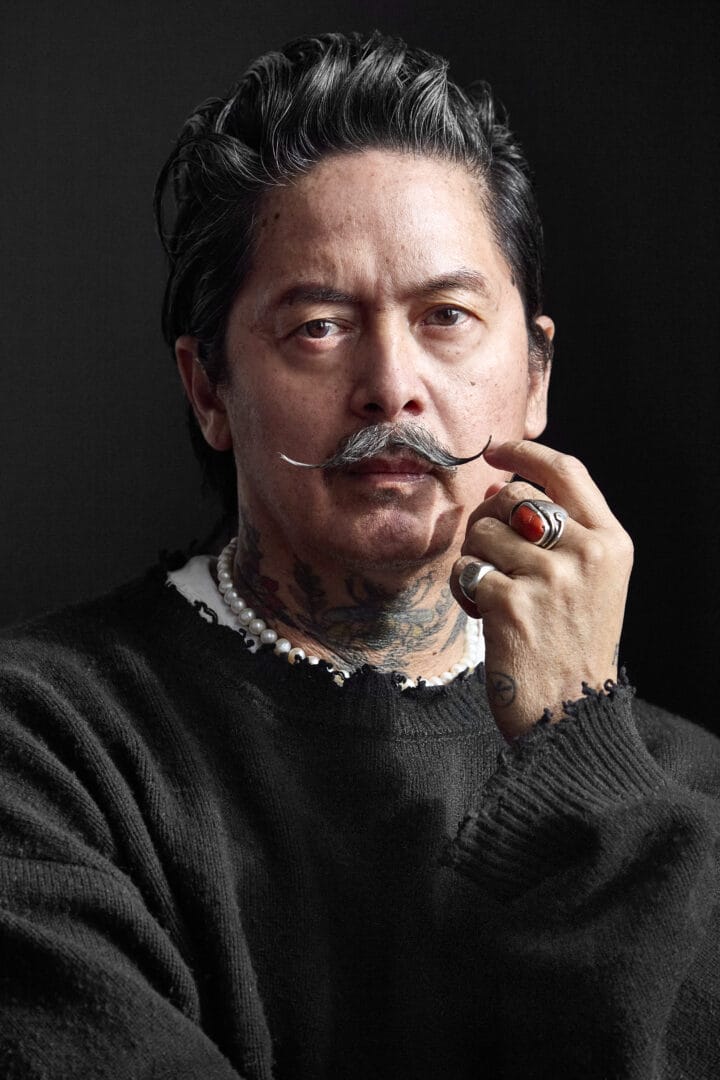
There is a quiet but powerful shift happening in men’s grooming in 2026—one that extends far beyond vanity, beyond trend cycles, and even beyond fashion itself. It is cultural. It is generational. And increasingly, it is political in the softest sense of the word: how a man chooses to present himself in a world that is rapidly rethinking identity, tradition, and expression.
As the United States approaches its 250th anniversary in 2026, and as the nation prepares to host the FIFA World Cup on home soil, American men are stepping into a summer defined by visibility. There will be photographs—millions of them. Weddings, public gatherings, sporting events, national celebrations. And in those images, one detail will quietly say everything: the haircut.
In that context, the barber chair is no longer just a place for maintenance. It has become a cultural studio.
A Brief History of Men’s Haircuts: From Utility to Identity
The history of men’s haircuts is deeply tied to civilization itself. In ancient Egypt, hair was often shaved or closely cropped for hygiene in hot climates, with wigs reserved for status and ceremony. In Ancient Greece, grooming reflected athleticism and philosophical ideals—well-kept hair symbolized discipline and balance. The Romans, ever pragmatic, popularized barbershops as public institutions where grooming, conversation, and politics intersected.
By the Middle Ages in Europe, long hair and beards often reflected nobility or strength, while clergy and soldiers adopted more controlled styles. The invention of the straight razor and the rise of the barber-surgeon in the 17th and 18th centuries formalized barbering as a profession, separating grooming from medicine over time.
The modern American men’s haircut, however, truly began to take shape in the late 19th and early 20th centuries with industrialization. Short, structured cuts reflected discipline, military influence, and workplace conformity. The post–World War II era cemented the clean-cut executive look—think side parts, tapered sides, and controlled silhouettes.
Then came disruption: the 1960s and 1970s introduced longer, freer styles as cultural rebellion. The 1980s brought volume and experimentation. The 1990s normalized casual grooming. And the 2000s through the 2020s saw the rise of hyper-personalized fades, fades-with-designs, textured crops, and global cross-influence driven by celebrity culture and social media.
By 2026, men’s haircuts are no longer following a single direction. They are converging into something more intentional: a blend of classic structure and modern individuality.
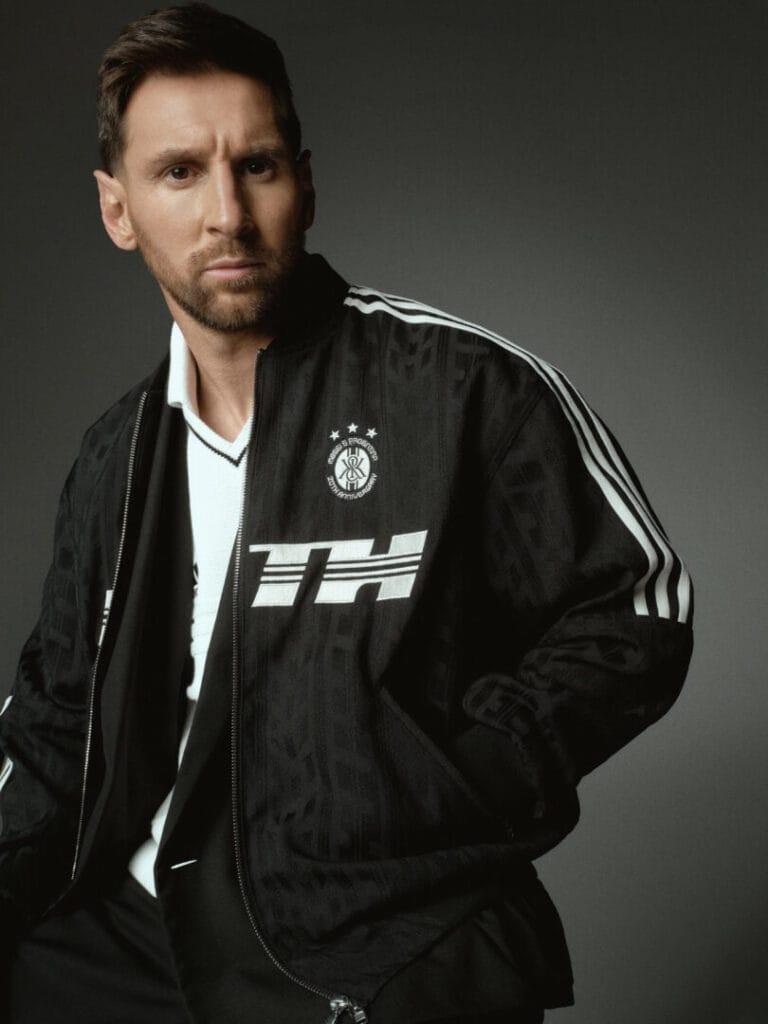
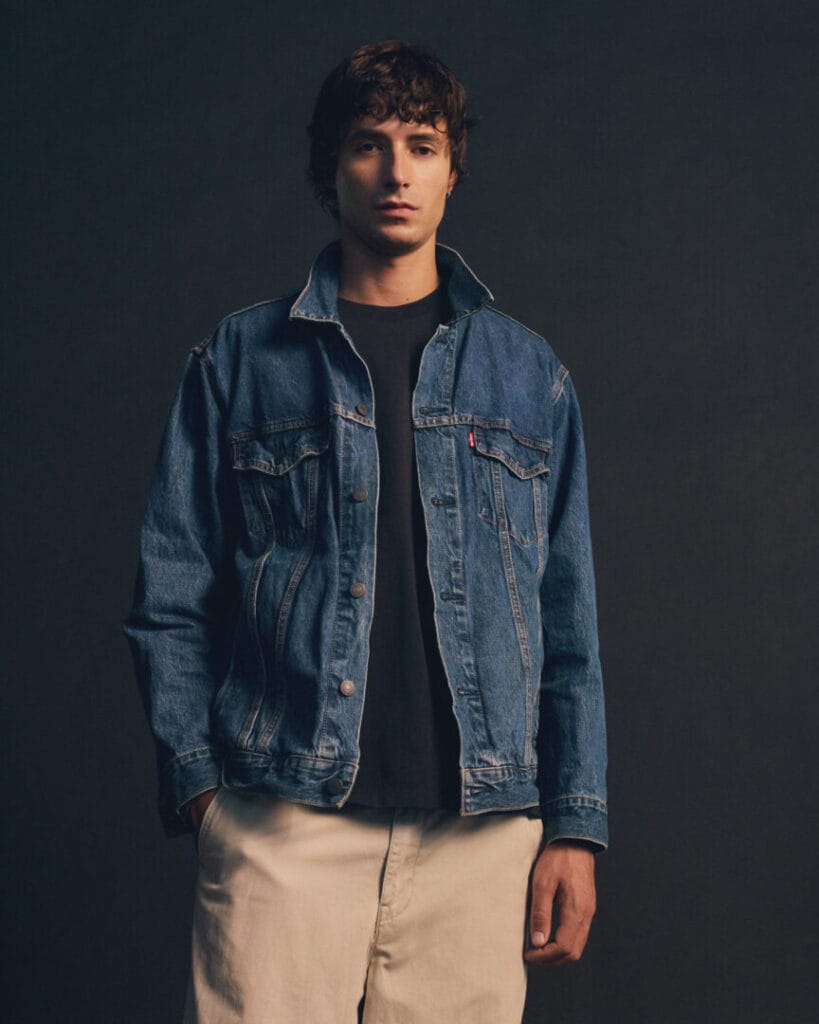
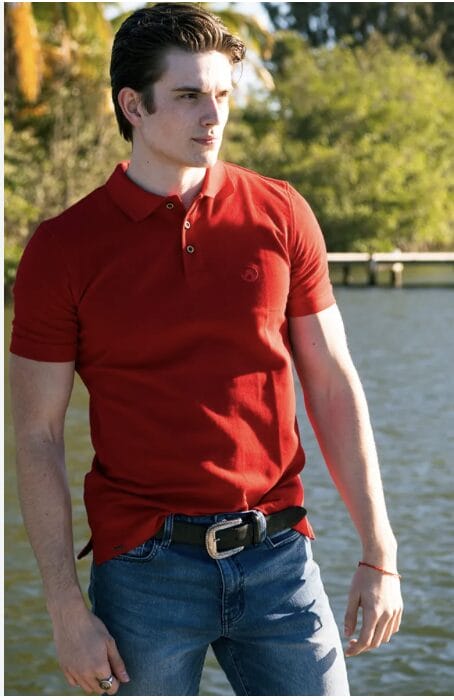
Men’s hairstyles 2026: Pictured above:( L-R) Lionel Messi wearing KITH, Model wearing Levis and Model Caleb Stevens wearing POTRO
Why Haircuts Matter More Than Ever in 2026
In today’s image-driven world, a haircut is one of the most immediate expressions of identity. It is visible in every Zoom call, every social post, every professional meeting, and every candid photograph.
For men, grooming has become a form of non-verbal communication. A sharp taper can signal discipline. A textured crop can suggest creativity. A clean buzz cut can reflect confidence and control. Longer natural styles can communicate ease, individuality, or even rebellion against rigidity.
But what is emerging now—particularly in the United States—is something more nuanced: a return to classic masculinity without losing individuality.
As America moves toward its 250th year of independence celebrations, there is an increasing emphasis on heritage, presentation, and pride. Men are beginning to dress and groom with greater awareness of how they appear in a cultural moment that feels historically significant. Haircuts, once routine, are now part of a broader narrative of national identity and personal expression.
And layered into that is another global force: sport.
The World Cup Effect: Athletes as Style Architects
The 2026 FIFA World Cup, hosted across the United States, Mexico, and Canada, will not only dominate sports headlines—it will dominate style culture.
Football (soccer) players have become some of the most influential grooming icons in the world. Their haircuts are studied, replicated, and reinterpreted across continents.
Three players, in particular, continue to set the tone for global men’s hair trends heading into 2026:
Three names stand out as defining this moment:
- Jude Bellingham
Bellingham represents the modern balance of classic and contemporary. His natural texture, controlled length, and effortless shape signal a new kind of British elegance—confident, youthful, and understated. His look has become a blueprint for men seeking polish without rigidity. - Cole Palmer
Cole Palmer’s style influence sits in the new wave of understated British cool. His clean, controlled cuts and natural finish reflect a quiet confidence—minimal effort, maximum impact. Palmer embodies the shift toward refined simplicity in modern men’s grooming, where subtlety signals status more than excess ever could - Nico Paz
Nico Paz represents the refined new wave of Argentine playmakers emerging from the Real Madrid system. His look mirrors his style of play—clean, composed, and quietly expressive. With naturally textured hair and a controlled, modern silhouette, he reflects the 2026 shift toward understated confidence, where elegance, discipline, and individuality define the new global football aesthetic
Together, these three players define the aesthetic direction of 2026: controlled, athletic, globally aware, and unmistakably modern. Their influence is not about imitation alone—it is about aspiration. Men are not simply copying their haircuts; they are adopting the attitude those cuts represent.
These athletes influence more than football culture—they shape barber requests worldwide. Walk into any high-end barbershop from New York to London to Tokyo, and variations of their cuts are already in rotation.
The 2026 Men’s Haircut Trends: Classic Meets Controlled Rebellion
According to current grooming industry trend analyses and barbering forecasts, men’s hair in 2026 is defined by refinement rather than excess. The loud experimentation of previous years is giving way to structure, control, and adaptability.
Here are the top five trending men’s haircuts for 2026:
1. The Modern Taper Fade
A clean, gradual fade with natural top length. It remains the most requested cut in America because it bridges professional and casual environments seamlessly. It is versatile, low-maintenance, and universally flattering.
2. Textured Crop
Popularized across Europe and now dominant in the U.S., this cut emphasizes movement and layering. It works especially well for thicker hair and reflects a relaxed but intentional aesthetic.
3. Classic Side Part Revival
A return to mid-century American grooming. The side part signals order, tradition, and sophistication. In 2026, it is less rigid than its 1950s predecessor, allowing softer texture while maintaining structure.
4. Buzz Cut with Skin Fade
Minimalist, powerful, and increasingly popular among athletes and professionals alike. It reflects confidence and control, stripping away excess for a sharper identity.
5. Longer Natural Flow
Influenced by musicians, surfers, and modern creatives, this style embraces natural texture and length while still being shaped by subtle layering. It reflects freedom within structure.
Together, these styles signal a broader cultural shift: men are no longer choosing between polished and expressive—they are choosing both.
America vs. Europe vs. Asia: Three Grooming Philosophies
Men’s hair trends differ significantly across regions.
In the United States, grooming is increasingly hybrid—combining European precision with athletic influence. American men favor versatility, cuts that transition easily from boardroom to weekend.
In Europe, particularly in cities like Paris and Milan, there is a stronger emphasis on effortless sophistication. Cuts are often softer, less aggressively faded, and more naturally styled.
In Asia, especially in South Korea and Japan, precision and styling innovation dominate. Hair is often treated as a highly curated fashion accessory, with product use and styling techniques playing a larger role than the cut itself.
America, however, is carving out its own identity: pragmatic, expressive, and increasingly rooted in classic masculinity with modern flexibility.
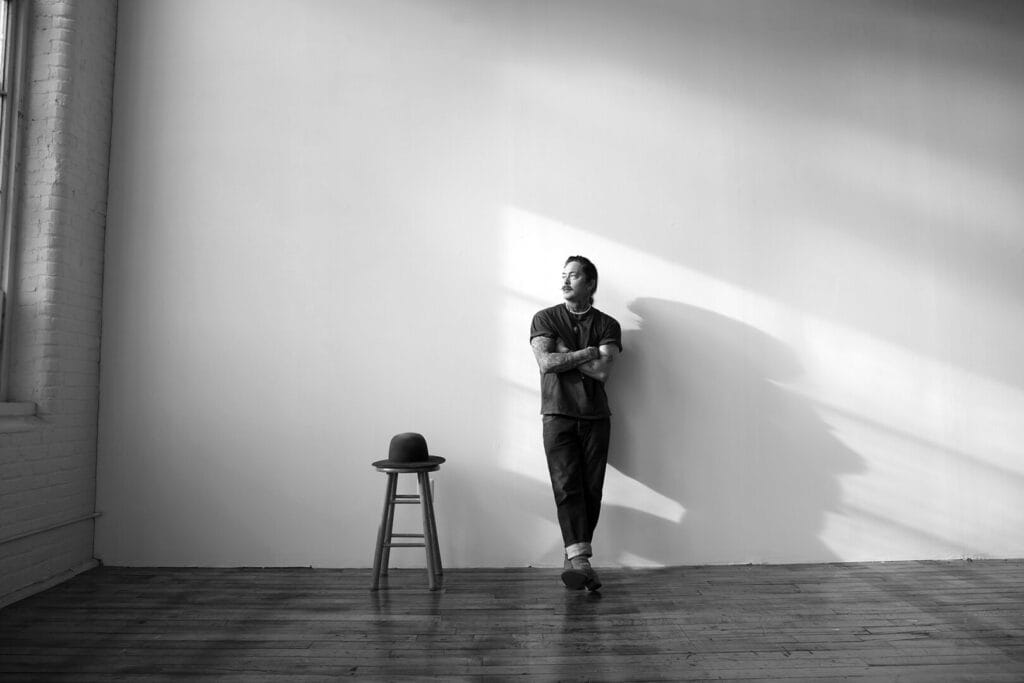
Ricky Hodge: The Barber Redefining American Masculinity
At the center of this evolving landscape is Austin-based hairstylist Ricky Hodge, a nearly two-decade veteran of the craft who has built a reputation on discipline, precision, and philosophy.
Hodge is known for his purist approach: scissor-over-comb techniques, a rejection of clippers, and a commitment to respecting natural hair growth patterns. In an era dominated by fast fades and machine precision, his method feels almost rebellious in its restraint.
But what sets Hodge apart is not just technique—it is ideology.
He views the haircut not as a trend-driven service, but as a form of personal architecture. Each cut is designed to align with the client’s bone structure, lifestyle, and identity. His philosophy extends beyond aesthetics into confidence-building and presence.
His clientele spans a wide spectrum—from celebrities and executives to everyday professionals seeking a more intentional version of themselves.
Hodge was recently recognized with Best Haircut at the 2025 Digital Hair Awards, further solidifying his influence within the modern grooming industry.
Beyond the chair, he operates as a:
- Creative entrepreneur shaping premium salon experiences
- Pricing authority redefining luxury service value
- Personal branding expert focused on confidence through appearance
- Luxury service strategist elevating salon culture
- Mentor to emerging stylists
- Advocate for modern masculinity rooted in authenticity
What makes Hodge especially relevant in 2026 is his neutrality of influence. His work transcends categories—what clients describe as “cowboy, corporate, creative, or conservative” all find common ground in his chair. That universality reflects where American grooming is heading.
In an era where men’s style is increasingly defined by individuality, intention, and image consciousness, few grooming conversations feel as culturally relevant as the ones happening inside the barber chair. For StyleLujo.com, we sit down with Austin-based hairstylist Ricky Hodge, a nearly two-decade industry veteran whose signature “no clippers ever” scissor-over-comb technique is quietly redefining modern masculinity one cut at a time. From celebrities to everyday professionals, Hodge’s philosophy goes far beyond grooming—it is about alignment, identity, and the psychology of presence. In this exclusive conversation, he breaks down why today’s haircut is no longer just maintenance, but a personal statement of confidence, authenticity, and style in a world where how you look often speaks before you ever do.
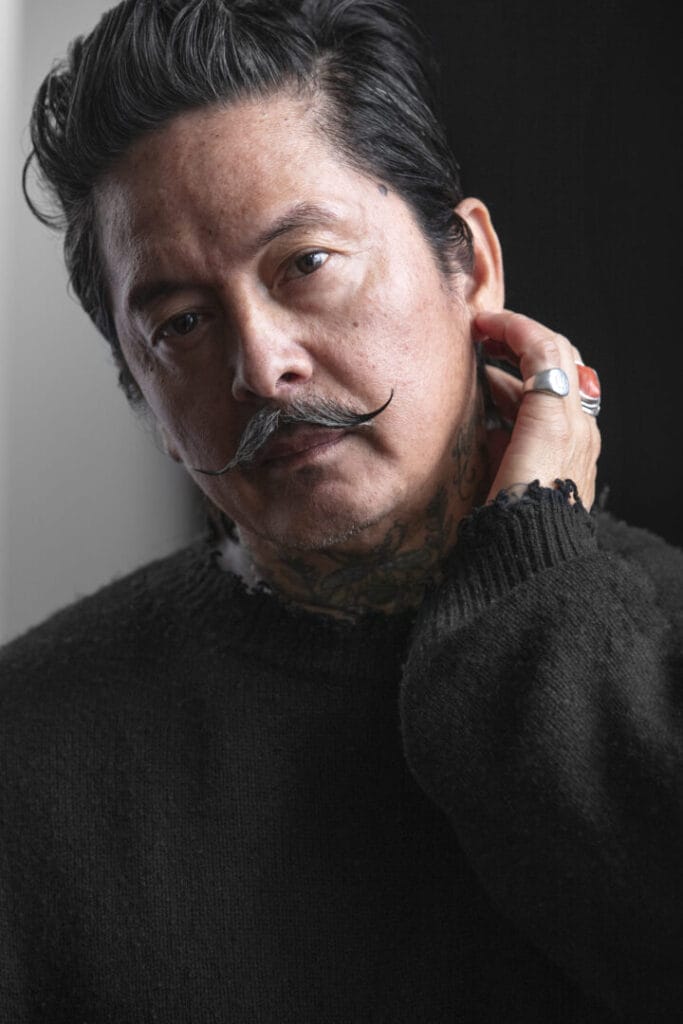
Joseph DeAcetis: Ricky, your scissor-over-comb technique has become a defining signature of your work. How does this highly tailored approach allow you to create a more personal expression of style for today’s modern man?
Ricky Hodge:
Scissor-over-comb isn’t some new magic trick. It’s actually one of the oldest techniques in the game. The difference is… most people stopped slowing down long enough to really master it. Clippers became the shortcut. Faster. Easier. More uniform.
For me, NO CLIPPERS EVER was never about being trendy or difficult. It’s about creating a haircut that actually works with the person sitting in my chair instead of against them. Hair has movement, growth patterns, cowlicks, texture, personality. Scissors allow me to respect all of that. It becomes way more tailored, way more intentional.
I always say I’m not just cutting hair, I’m building a vibe around the human wearing it. The modern man doesn’t want to look overly polished or like he walked out of an assembly line barber shop. He wants to look like himself… just elevated. Cool without trying too hard. Timeless with a little edge.
That’s what scissor-over-comb gives me. Freedom to sculpt shape naturally, leave softness where it matters, structure where it counts, and create a cut that grows out beautifully weeks later. The goal is longevity, confidence, and individuality.
At the end of the day, the best haircut in the room shouldn’t scream. It should just make people look twice and think, “damn… that guy’s got something about him.”
Joseph DeAcetis: With nearly two decades in the industry, how have you seen men’s grooming evolve, particularly in the way men now view hair, self-care, and personal presentation as part of their identity and success?
Ricky Hodge:
When I first got into this industry, most men viewed haircuts as maintenance. You came in, cleaned it up, maybe grabbed some product off the shelf if your barber talked you into it, and that was about it. Grooming wasn’t really part of the conversation around identity yet.
Now? Completely different world.
Men understand that personal style tells a story before they ever shake someone’s hand. Hair, grooming, skincare, the way your clothes fit, even the energy you carry walking into a room… it all says something. And I think men today are finally allowing themselves to care about those details without feeling weird about it.
The modern man wants to feel confident, put together, effortless. He’s paying attention to longevity, quality, texture, shape, health. He’s realizing self-care isn’t vanity… it’s presentation. It’s respect for yourself and honestly respect for the rooms you walk into.
I’ve also seen men become way more interested in individuality. Years ago everybody wanted the same cut. Same fade. Same formula. Now guys are leaning into what actually works for them. Their lifestyle, face shape, personal style, even their career. A musician shouldn’t look like a finance guy and vice versa. The haircut should support the human.
That’s probably why my NO CLIPPERS EVER approach resonates with so many people. It feels less manufactured. More lived in. More personal. The haircut evolves with them instead of looking overly forced for two weeks and awkward the next six.
At the end of the day, grooming has become less about perfection and more about alignment. Looking like the best, most confident version of yourself. And honestly? That shift has been really cool to watch.
Joseph DeAcetis: Your clientele ranges from celebrities to everyday professionals. What are men seeking most today when they sit in your chair—confidence, individuality, sophistication, or something deeper?
Ricky Hodge:
Truthfully? It’s all of those things wrapped together. But deeper than that… I think what most men are really searching for when they sit in my chair is alignment.
The celebrity, the creative, the dad with three kids, the guy running a company, the musician heading out on tour… they all want the same thing in some capacity. They want to look in the mirror and feel like the outside finally matches who they are internally.
Confidence is a huge part of it, of course. A solid haircut changes how you carry yourself. Your posture shifts. Your energy changes. You walk into rooms differently. But confidence built only around trends fades fast. What lasts is individuality.
I think men today are less interested in looking like everybody else and more interested in refining their own personal identity. They want sophistication without looking overly polished. Effortless but intentional. Lived in but elevated. That sweet spot where someone notices you look great but can’t quite figure out why.
That’s why my approach is so tailored. I’m paying attention to bone structure, texture, growth patterns, lifestyle, personal style, even personality. Some guys need softness. Some need structure. Some need a haircut that feels creative and rebellious while others need something understated that still feels expensive.
At the end of the day, hair is emotional whether men admit it or not. It affects confidence, presence, attraction, even opportunity. So what they’re really looking for is a version of themselves that feels authentic, sharp, effortless, and fully realized.
And honestly, that’s the part I love most. It’s never just about the haircut.
Joseph DeAcetis: You’ve been recognized for creating fashion-forward, individualized cuts that respect natural growth patterns. How important is authenticity in modern grooming and personal style?
Ricky Hodge:
Authenticity is everything now. Honestly, I think people are exhausted by overly manufactured versions of style, grooming, and even identity. The modern man doesn’t necessarily want to look “perfect” anymore. He wants to look believable. Elevated, yes… but still like himself.
That’s a huge part of why I respect natural growth patterns so much in my work. Hair tells the truth. It shows movement, texture, personality, imperfections, all the things that make someone unique. The second you start forcing hair to do something completely unnatural just because it’s trendy, the person usually ends up wearing the haircut instead of the haircut wearing with them.
For me, authenticity is about creating harmony between the person, their lifestyle, and their overall presence. A guy who lives in boots and vintage denim probably shouldn’t leave my chair looking overly sharp and disconnected from his vibe. Same goes for the creative director, the musician, the dad, or the businessman. The haircut should feel like an extension of who they already are, just refined a little further.
I think modern grooming has shifted away from chasing perfection and more toward creating character. Texture. Ease. Longevity. Things that feel lived in and confident instead of stiff or overly calculated.
The coolest people usually aren’t the ones trying the hardest. They’re the ones who look comfortable in their own skin. That’s the goal. When someone leaves my chair, I don’t want people noticing just the haircut. I want them noticing the energy of the person wearing it.
Joseph DeAcetis: In your opinion, what role does grooming play in a man’s professional success, confidence, and overall presence in today’s highly visual culture?
Ricky Hodge:
We live in an extremely visual world now. Before you ever introduce yourself, before you speak, before someone knows what you do… people are already reading your presence. The way you carry yourself, your grooming, your style, your energy. It all communicates something immediately.
And grooming isn’t about vanity to me. It’s about intention. It tells people you pay attention to details, that you respect yourself, and that you understand presentation matters. Whether you’re walking into a boardroom, onto a stage, behind a camera, or into a first date, how you present yourself affects how people experience you.
A great haircut won’t magically make someone successful, but it absolutely can change the way they move through the world. Confidence shows up in posture, eye contact, conversation, energy. When a man feels aligned with how he looks, there’s less hesitation. Less hiding. He becomes more present.
I think that’s why men are investing more into grooming now than ever before. Not because they’re trying to become somebody else, but because they’re realizing personal style and grooming are extensions of identity. It’s part of the story you tell without speaking.
For me personally, grooming should never feel overly forced or performative. The goal isn’t perfection. The goal is authenticity with refinement. Looking sharp without looking like you tried too hard. Effortless but intentional.
Because at the end of the day, presence is what people remember. And grooming plays a massive role in shaping that presence.
Joseph DeAcetis: You’ve built a strong reputation as both a stylist and creative entrepreneur. What inspired you to redefine the traditional salon experience into something more elevated and luxury-driven?
Ricky Hodge:
I don’t think I ever set out to “redefine” anything in a loud, intentional way. It was more that I couldn’t ignore what felt outdated. The traditional salon experience, for me, always had this rush to it. In-and-out energy. Chairs full, conversations fast, techniques leaning toward efficiency over artistry. And I’ve never really worked well in that space.
I’ve always seen hair as something closer to craft or design than service. It’s personal. It’s emotional. It’s tied to identity. So the experience around it should reflect that. Slower. More intentional. More considered.
The shift really came from wanting the chair to feel like a place people actually arrive at, not just pass through. A moment where someone can reset, refine, and leave feeling more aligned than when they walked in. That doesn’t happen in chaos or speed. It happens in attention.
The luxury side of it isn’t about being exclusive for the sake of it. It’s about removing distraction so the work can actually breathe. When you strip away the noise, the focus becomes the person in front of you—their bone structure, their energy, their lifestyle, their story. That’s where the real value is.
I also think modern luxury has changed. It’s not loud anymore. It’s not overly polished or performative. It’s quiet, intentional, and personal. It’s a feeling more than a look. And that’s exactly what I try to build into the experience.
At the end of the day, I just wanted to create a space that feels like care, craft, and calm all in one. Somewhere the haircut is important, but the way you feel when you leave is what actually lasts.
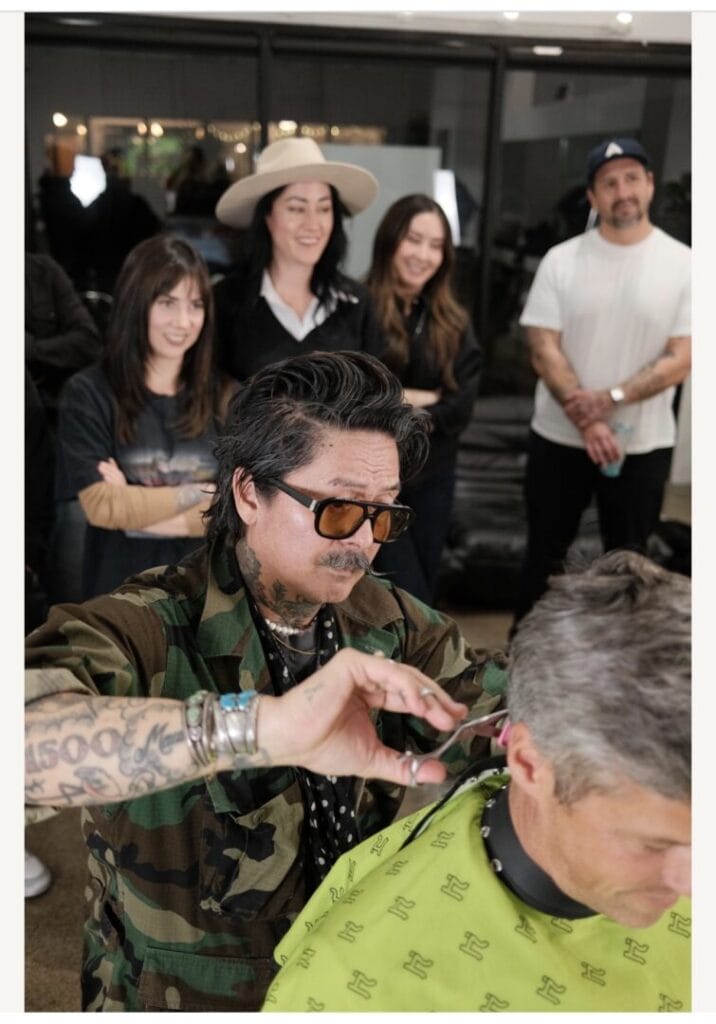
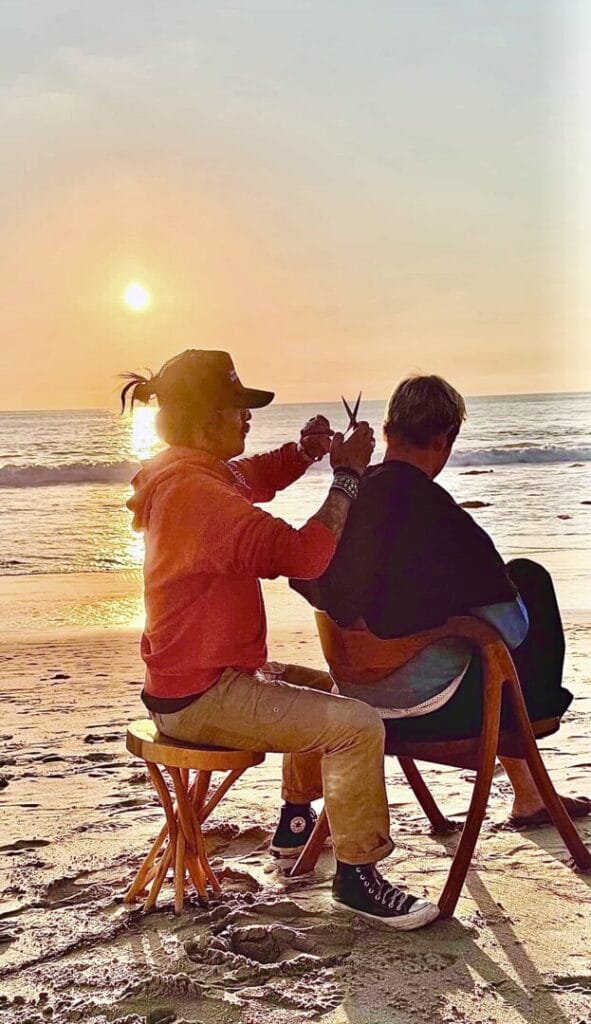
The New American Haircut: Identity Without Extremes
American men’s hair in 2026 is not about extremes anymore. It is not overly polished, nor intentionally chaotic. It is balanced.
It reflects a nation preparing for a milestone 250th anniversary while simultaneously participating in a global cultural moment through sport, media, and digital identity.
In that environment, hair becomes more than grooming. It becomes positioning.
And in a summer where every photograph will matter—from national celebrations to World Cup watch parties—the haircut becomes a subtle but defining detail of how American men choose to be seen.
The new American haircut is not loud. It is not accidental. It is intentional.
And increasingly, it is becoming one of the most important style statements of the decade.
Reference:
BarberEVO Magazine. (2026, April 4). The men’s hair trends defining 2026. https://www.barberevo.com/the-mens-hair-trends-defining-2026
Save Article