
Earth Day has evolved far beyond a symbolic annual moment—it has become a critical benchmark for accountability across industries, and nowhere is that pressure more visible than in fashion. As we approach Earth Day 2026, the apparel industry stands at a defining crossroads. The conversation is no longer about whether sustainability matters, but whether brands can survive without embedding it into the core of their business models.
From my perspective as an editor and educator, I’ve watched this shift intensify over the past decade. Consumers are no longer passive participants in fashion—they are informed, vocal, and increasingly selective. They are asking the right questions: Who made my clothes? What materials were used? What happens after I stop wearing them? And most importantly, what impact does my wardrobe have on the planet?
The reality is simple: sustainability is no longer a marketing strategy. It is a business imperative.
Why Sustainability Is Now a Core Business Model in Fashion
The global apparel industry is one of the largest contributors to environmental strain, responsible for significant carbon emissions, water consumption, and textile waste. As a result, fashion brands are under increasing pressure from governments, activists, and consumers to redesign how they operate.
The shift toward sustainability is not just ethical—it is economic.
Brands that fail to adapt risk losing relevance with younger consumers, particularly Gen Z and younger millennials, who prioritize transparency and environmental responsibility. This generation expects brands to demonstrate measurable action, not vague promises.
A sustainable business model in fashion now typically includes:
- Circular production systems (recycling and resale programs)
- Responsible sourcing of materials
- Reduced water and chemical usage
- Ethical labor practices
- Product longevity and repair services
- Carbon footprint reduction strategies
One strong example of this shift is A.P.C., which has introduced its “Butler” program. This initiative extends the life of denim by washing, repairing, and reselling pre-owned jeans—offering consumers both environmental impact reduction and financial value. It is a clear example of how legacy brands can integrate circularity into everyday operations.
This is where the industry is heading: from linear consumption to circular ecosystems.
The New Luxury: Responsibility
Luxury fashion is no longer defined solely by exclusivity or craftsmanship—it is increasingly defined by responsibility. The most forward-thinking brands are now integrating sustainability into every layer of their business, from design to distribution.
In menswear, womenswear, and accessories alike, we are seeing innovation across:
- Regenerative textiles
- Organic and recycled fabrics
- Low-impact dyeing techniques
- Digital sampling to reduce waste
- Localized production to reduce emissions
What was once considered “alternative” is now becoming standard practice among leading brands.
StyleLujo’s Earth Day 2026 Sustainable Brand Selection
At Stylelujo.com, our editorial team has spent the past year evaluating brands that are not only talking about sustainability—but actively building it into their operational DNA.
For Earth Day 2026, we have carefully selected a group of brands across menswear, womenswear, and accessories that demonstrate measurable, credible, and ongoing commitment to environmental responsibility.
These selections are not based on trend or popularity. They are based on:
- Verified sustainability initiatives
- Transparency in production processes
- Long-term environmental commitments
- Innovation in materials and circularity
- Real-world impact rather than marketing claims
Each brand on this list represents a different approach to sustainability—some through heritage craftsmanship, others through technological innovation, and others through radical redesign of the fashion lifecycle.
Together, they reflect the future of responsible apparel.
Top 10 Sustainable Apparel Brands (Earth Day 2026 Selection)
Below is the curated list from the Stylelujo editorial team of brands leading the way in sustainable fashion innovation:
1. Patagonia
A pioneer in environmental activism and regenerative materials, Patagonia continues to set the global standard for outdoor and lifestyle apparel sustainability.
2. Stella McCartney
A leader in luxury sustainability, Stella McCartney integrates cruelty-free materials and circular design principles into high-fashion womenswear and accessories.
3. Eileen Fisher
Known for its take-back program and circular design model, Eileen Fisher is redefining timeless womenswear through reuse and regeneration.
4. A.P.C.
With its denim-focused repair and resale initiatives, A.P.C. demonstrates how European minimalism can evolve into a circular fashion system.
5. Veja
A sneaker brand built on transparency, Veja uses ethically sourced materials and fair-trade production to redefine modern footwear.
6. Reformation
A digitally native womenswear brand that combines data-driven sustainability metrics with trend-forward design.
7. Nudie Jeans
A leader in organic denim and free repair services, proving that durability is central to sustainability in menswear.
8. Gabriela Hearst
A luxury designer brand integrating carbon-neutral runway shows and traceable supply chains into high-end womenswear.
9. Allbirds
A footwear and lifestyle brand known for its low-carbon materials and commitment to measurable environmental impact reduction.
10. Patagonia Works / Circular Innovation Labs
An extension of Patagonia’s mission, focusing on innovation in regenerative materials and closed-loop systems.
Why These Brands Were Selected
Each of these brands was selected based on a combination of measurable sustainability performance and cultural influence.
We prioritized companies that:
- Have publicly documented sustainability goals
- Invest in circular or regenerative systems
- Demonstrate innovation in materials and production
- Offer scalable solutions to industry-wide challenges
- Maintain transparency with consumers
Importantly, these are not brands that simply “market sustainability.” These are brands that operate through it.
They represent a shift from storytelling to system-building.
The Role of Circular Programs in Fashion’s Future
Programs like A.P.C.’s Butler initiative highlight a growing trend in fashion: extending product life cycles. Repair, resale, and recommerce models are becoming essential components of modern apparel strategies.
This shift is not only environmentally responsible—it is economically strategic. Consumers are increasingly comfortable purchasing pre-owned luxury, and brands are realizing that lifetime value now extends beyond the first sale.
Circularity is no longer a niche concept—it is the future of fashion commerce.
Final Perspective: Earth Day Is No Longer Symbolic
Earth Day 2026 is not just a moment of reflection—it is a reminder of responsibility. The apparel industry is one of the most powerful cultural forces in the world, and with that power comes obligation.
Brands that ignore sustainability will not simply fall behind—they will become irrelevant to the next generation of consumers.
From my perspective, the future belongs to the brands that understand this simple truth: fashion must evolve from consumption to stewardship.
On behalf of the Stylelujo.com editorial team, we wish our readers a meaningful and conscious Earth Day 2026. May it serve not only as a reminder of what we must protect, but as a call to action for how we design, produce, and wear clothing in the years ahead.
Sustainability is no longer a trend. It is the standard.
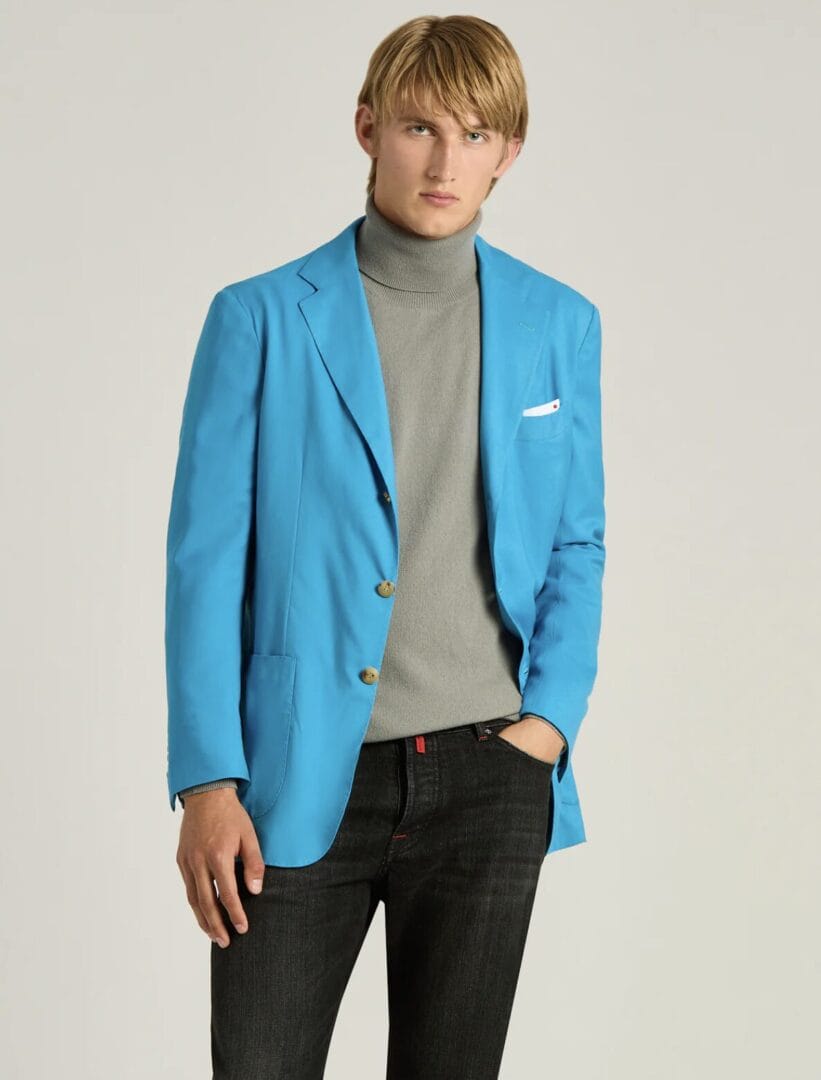
KITON:

a newly articulated sustainability vision rooted in slowness, care,
and generational expertise.
Visit us: KITON
KITON was selected by the Stylelujo.com editorial team for Earth Day 2026 because it represents a rare and meaningful intersection of heritage luxury and emerging sustainability accountability within the menswear sector. Unlike many brands that have recently adopted sustainability as a response to market pressure, KITON’s approach is rooted in its longstanding philosophy of craftsmanship—where garments are produced in Italy with exceptional attention to detail, longevity, and material integrity. The brand’s first Sustainability Report marks a significant evolution, signaling a structured commitment to measuring environmental and social impact while preserving its core identity of artisanal production and slow fashion values. For the Stylelujo.com editors, KITON stands out not because it has reinvented itself, but because it has chosen to formalize and expand principles it has practiced for decades: respect for people, respect for time, and respect for product. In a luxury landscape often defined by speed and volume, KITON’s deliberate pace and transparent reporting position it as a benchmark example of how traditional luxury houses can evolve responsibly without compromising their essence.
EPIC WATER FILTERS:
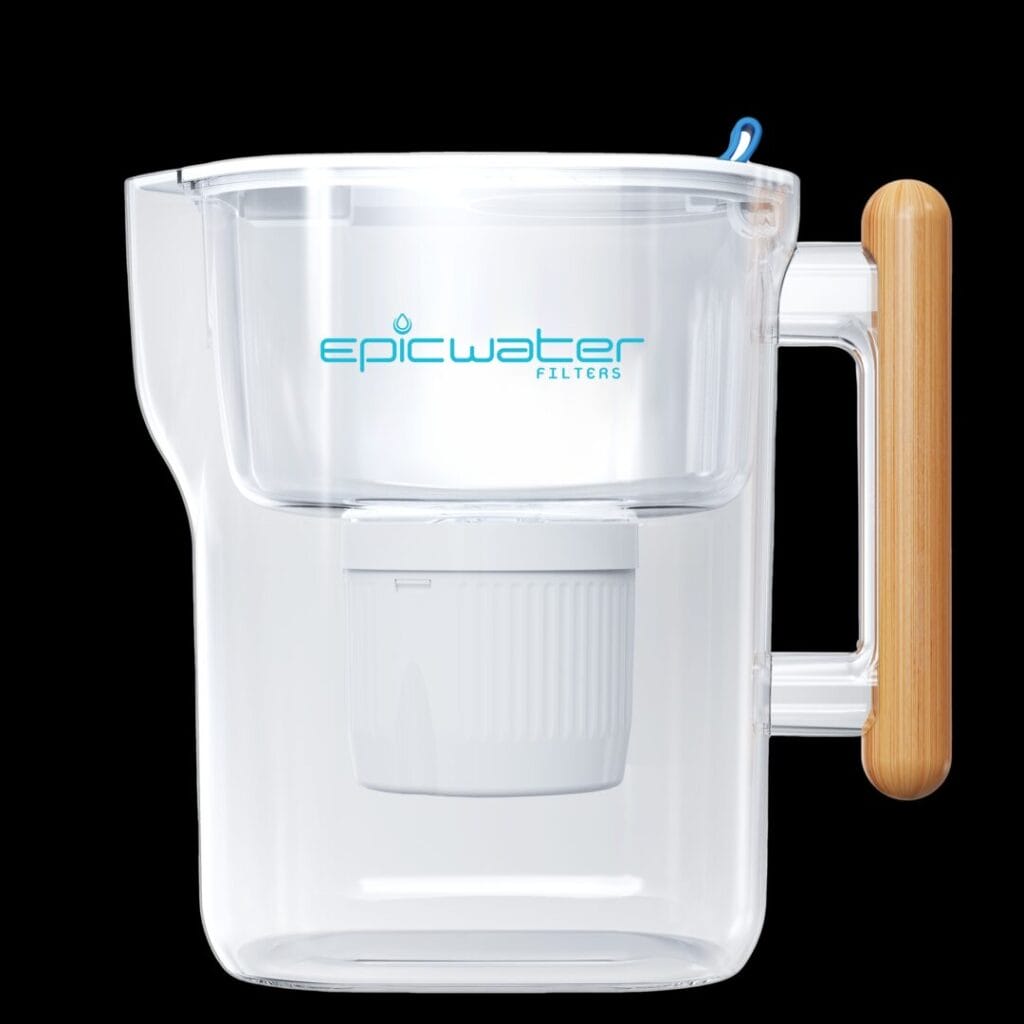
designed to reduce single-use plastic while delivering clean, great-tasting water at home.
Visit us: Epic Water Filters with these two short videos: Growth and Made in the USA
EPIC Water Filters was selected by the Stylelujo.com editorial team for Earth Day 2026 because it represents a clear, accessible, and measurable approach to environmental responsibility within the consumer lifestyle sector. In a marketplace often dominated by abstract sustainability claims, EPIC stands out for offering a tangible behavioral shift—encouraging consumers to reduce reliance on single-use plastic through everyday hydration habits. Its Pure Classic Pitcher is not positioned as a luxury object, but as a practical tool that directly addresses one of the most visible contributors to household plastic waste. For our editors, this distinction is important: sustainability must be scalable and integrated into daily life, not reserved for niche or high-cost consumption patterns. EPIC’s emphasis on usability, affordability, and environmental impact demonstrates how brands outside of fashion can still play a critical role in shaping a more responsible consumer ecosystem.
A.P.C.
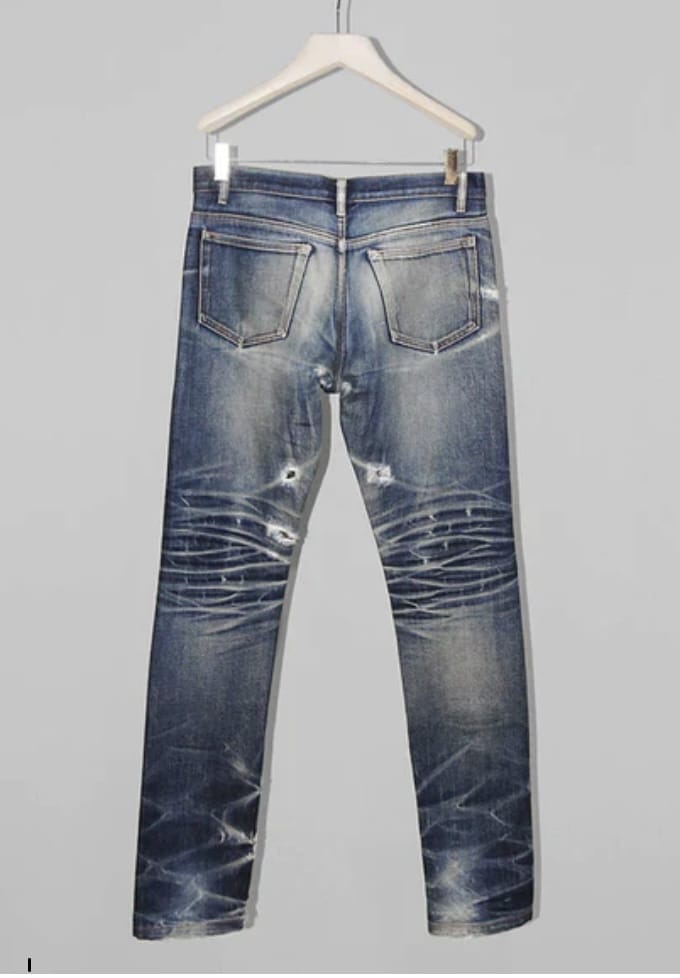
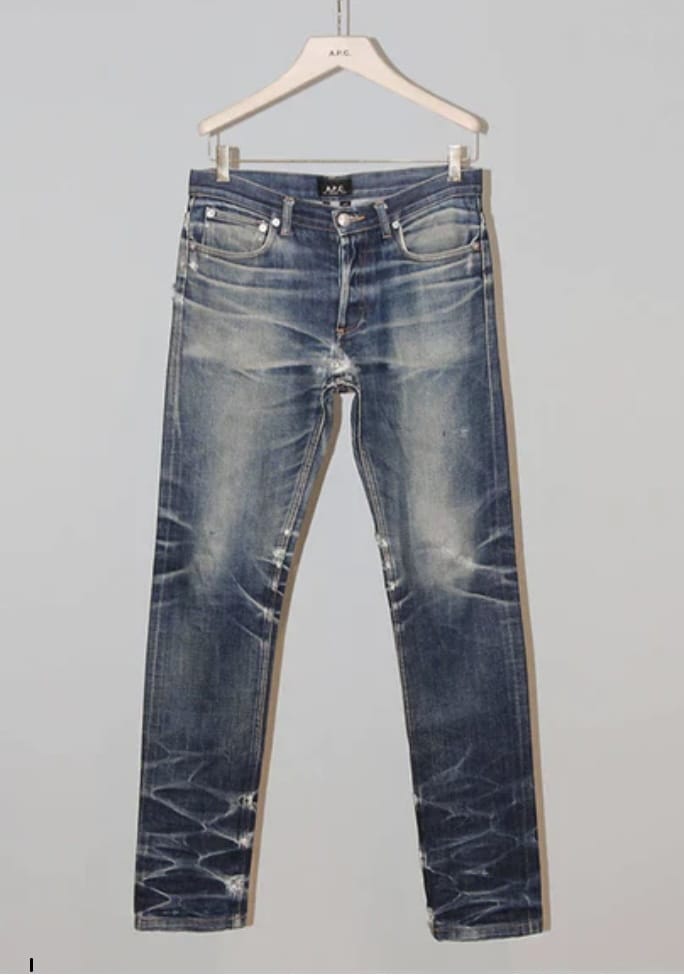
A.P.C. elevates circular denim through its Butler program, extending the life cycle of jeans through repair, resale, and responsible consumer exchange
Visit us: A.P.C.
A.P.C. was selected by the Stylelujo.com editorial team for Earth Day 2026 because it represents one of the most credible and quietly impactful approaches to circular fashion within contemporary apparel. Rather than relying on performative sustainability messaging, A.P.C. has embedded responsibility directly into its product lifecycle through its Butler program—an initiative that actively repairs, washes, and resells worn denim while incentivizing customer participation through resale value. This system not only extends the lifespan of garments but also challenges the traditional linear consumption model that dominates the fashion industry. For our editors, A.P.C. stands out because it proves that sustainability does not require aesthetic compromise; instead, it can enhance product value, deepen customer loyalty, and create a more thoughtful relationship between wearer and garment.
LUSH:

LUSH celebrates Earth Month by tracing every cleansing balm back to its origin—ethically sourced ingredients, direct farmer relationships, and regenerative supply chains powering fresh handmade skincare.
Visit us: LUSH
LUSH was selected by the Stylelujo.com editorial team for Earth Day 2026 because it represents one of the most transparent, ethically driven, and narrative-rich approaches to sustainability within the global beauty and personal care industry. Unlike brands that treat sustainability as a secondary message, LUSH integrates it into the entire product lifecycle—from ingredient sourcing to packaging innovation—making environmental responsibility a foundational business principle rather than an external initiative. The brand’s commitment to direct relationships with farmers, growers, and processors across global regions ensures that every ingredient carries a traceable origin story, reinforcing both ethical accountability and product integrity. For the Stylelujo.com editors, what distinguishes LUSH is its refusal to separate storytelling from sourcing; each product becomes a living map of environmental and social impact, connecting the consumer directly to the communities behind the raw materials. Its elimination of palm oil, investment in 100 percent recycled packaging, and focus on regenerative agricultural partners further demonstrate a measurable commitment to reducing environmental harm. In the context of Earth Day 2026, LUSH stands out not only as a beauty brand, but as a fully realized example of how transparency, ethics, and sensory experience can coexist within a modern sustainable business model.
ALTER:BIO:
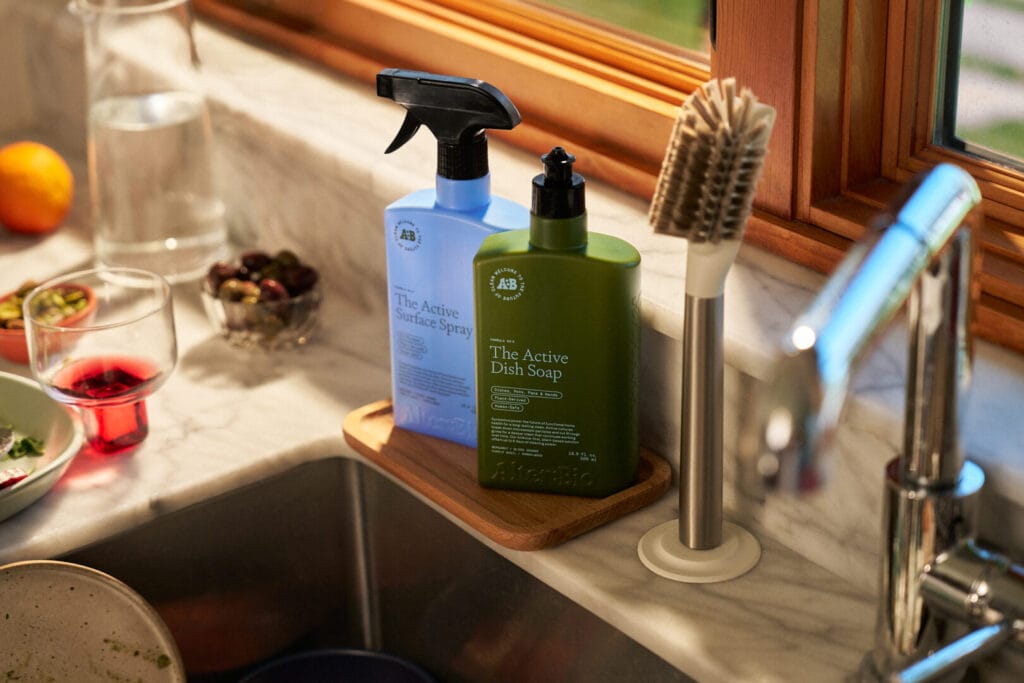
Alter:Bio redefines household cleaning through synbiotic technology, using probiotics and prebiotics to naturally manage bacteria while reducing environmental harm with biodegradable, EWG-verified formulations.
Visit us: Alter:Bio
Alter:Bio was selected by the Stylelujo.com editorial team for Earth Day 2026 because it represents a genuine category disruption within the home care and environmental wellness space. Rather than simply reformulating traditional cleaning products with “greener” branding, Alter:Bio introduces a scientifically driven synbiotic system—combining probiotics and prebiotics—to actively manage microbial balance on surfaces over time. This approach fundamentally rethinks how cleaning works, shifting from short-term chemical elimination to longer-term biological support, which reduces reliance on harsh disinfectants that often contribute to environmental degradation once washed down household drains. For our editors, what makes Alter:Bio particularly relevant is its commitment to both scientific rigor and environmental accountability: every ingredient is biodegradable, the formula meets strict EWG Verified standards, and it has been reviewed by a Harvard Medical Toxicologist for safety. The brand’s insistence on functional packaging—using recycled materials even when glass is not viable for product stability—further demonstrates a refusal to prioritize aesthetics over performance and environmental logic. Founded by Lauren Taylor, a former luxury retail and beauty executive, Alter:Bio reflects a broader Earth Day 2026 theme: the rise of founders applying high-level industry expertise to solve environmental challenges through innovation rather than compromise.
POTRO:

sustainable craftsmanship for a look that respects both style and the planet.
Visit Now: Shop the collection at POTRO.com or experience it in person at the HUB store in the Hamptons.
Editor’s Review (StyhleLujo.com):
For our Earth Day round-up, the editors at StyhleLujo.com selected the POTRO sustainable polo shirt for its seamless balance of luxury, comfort, and environmental responsibility. Crafted with eco-conscious materials and a focus on longevity, the polo reflects a shift toward mindful fashion without compromising on sophistication. Its versatile design makes it a wardrobe staple, while its responsible production aligns with the values of today’s discerning consumer. The POTRO polo shirt is available for purchase online at POTRO.com and can also be found at the HUB store in the Hamptons (please check the store directly for current address and details), offering both convenience and an elevated in-store experience.
