
The era of celebrity fashion vanity projects is officially over. In 2026, the most powerful celebrity brands are no longer side hustles—they are fully scaled, data-driven global businesses generating billions in annual revenue and reshaping the competitive landscape of apparel, lingerie, and lifestyle retail.
A new December 2025 report from Socialplug analyzed more than 20 celebrity-founded fashion companies using three key performance indicators: annual revenue, total brand valuation, and monthly online search demand. The results reveal a striking truth: a small group of celebrity founders have cracked the code on modern brand-building, while most others remain far behind.
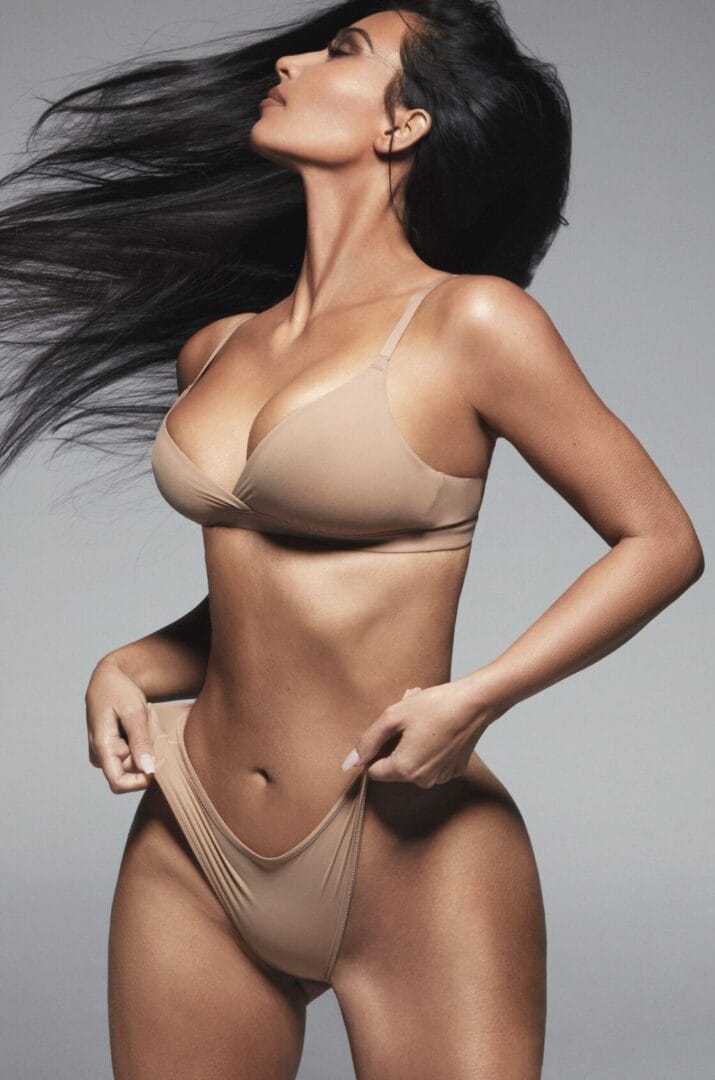
At the top of the pyramid sits Kim Kardashian, whose shapewear powerhouse Skims has become the most financially successful celebrity fashion business in the world. But the broader story is even more compelling. Rapid growth from Rihanna, surging search dominance from Kanye West, and the quiet consistency of legacy players signal that celebrity commerce is entering a sophisticated new phase.
What separates the winners from the rest? And what does this mean for the future of celebrity-driven fashion?
The Billion-Dollar Benchmark
The Socialplug data confirms what industry insiders have suspected: scale now matters more than star power alone.
Skims currently generates $1.7 billion in annual revenue, more than double what it produced just two years ago. The brand’s valuation reached $5 billion after securing $225 million in new funding led by Goldman Sachs, positioning it among the most valuable apparel companies in America.
This level of performance is not accidental. Kardashian’s approach combines:
- obsessive product focus
- inclusive sizing strategy
- aggressive digital marketing
- disciplined drop-driven merchandising
Unlike earlier celebrity brands that relied primarily on licensing, Skims operates with the rigor of a modern direct-to-consumer powerhouse. The company’s ability to merge cultural relevance with operational discipline has effectively rewritten the celebrity fashion playbook.
The Steady Power of Legacy Celebrity Brands
While newer entrants often dominate headlines, the study highlights the enduring strength of early celebrity retail pioneers.
Jessica Simpson’s The Jessica Simpson Collection ranks second with $1 billion in annual revenue, a remarkable achievement for a brand launched back in 2005. Drawing roughly 3.69 million monthly searches, the label demonstrates the value of broad category expansion and mass-market distribution.
“What truly separates billion-dollar celebrity brands from short-lived launches isn’t just revenue, inclusivity, or digital marketing sophistication. It’s whether the business is architected to outlive the celebrity’s cultural peak. Star power accelerates consumer trust and initial demand, but lasting retail value is built only when that attention is converted into real product utility, repeat behavior, and scalable infrastructure. The most powerful founders are quietly building enterprise structures, not personality-dependent labels. They retain meaningful equity, control intellectual property, invest in product R&D, and design operational systems that can scale independently of their daily visibility. The biggest pitfall for celebrity founders is mistaking attention for enterprise. Visibility can open doors, but only disciplined brand architecture creates longevity.” – —Fashion Writer and Digital Entrepreneur, Fiorina Marietta LLC
Similarly, Kate Hudson’s activewear company Fabletics holds third place with $850 million in revenue, up 46% year over year. Its subscription-based VIP membership model continues to be one of the most effective customer retention engines in the apparel sector.
These brands underscore an important industry lesson: longevity plus smart business infrastructure can rival—even outperform—newer hype-driven launches.
Popularity vs. Profit: The Yeezy Effect
Financial success tells only part of the story. When measuring pure consumer interest, Yeezy remains the undisputed attention magnet.
With 6.44 million monthly searches, Yeezy is the most searched celebrity fashion brand in the world, despite generating lower revenue than Skims. The brand produced $705 million in annual sales, growing nearly 25% from the previous year.
This divergence between search dominance and revenue leadership highlights a crucial dynamic in modern fashion: cultural heat does not always translate directly into retail scale. However, Yeezy’s continued relevance proves that strong brand mythology can sustain consumer fascination even amid business volatility.
The Fastest Growth Story in Fashion
If Skims represents scale and Yeezy represents hype, then Savage X Fenty represents velocity.
Rihanna’s lingerie label posted one of the most dramatic growth surges in the entire study. Revenue exploded 514% in a single year, jumping from $53 million to $324 million. The brand now carries an estimated $3 billion valuation, despite ranking fifth in current revenue.
Several strategic factors are fueling this momentum:
- strong positioning in the inclusive lingerie space
- high-impact runway entertainment marketing
- membership-driven recurring revenue
- tight social media integration
Savage X Fenty’s trajectory suggests the brand could climb significantly higher in future rankings if growth continues at anything close to its current pace.

The Global Athlete Advantage
Celebrity fashion success is no longer limited to Hollywood and music. Elite athletes are proving they can also build meaningful apparel businesses.
Portuguese football icon Cristiano Ronaldo’s CR7 generates $275 million annually, supported by Ronaldo’s massive global fan base and disciplined licensing strategy.
“The latest Socialplug data confirms that celebrity fashion has matured into a serious, metrics-driven business where scale and authenticity matter more than fame alone. While Kim Kardashian’s Skims leads the category at $1.7 billion, the success of athlete-driven labels like Cristiano Ronaldo’s CR7—now generating $275 million annually—shows that disciplined brand architecture and global fan conversion are redefining the modern celebrity retail playbook.” — Joseph DeAcetis, Editor at StyleLujo.com and Menswear Professor at the Fashion Institute of Technology
Meanwhile, UFC superstar Conor McGregor’s tailoring label August McGregor brings in $65 million, demonstrating that even niche celebrity fashion ventures can achieve meaningful scale when properly positioned.
The takeaway: sports celebrities possess a unique advantage in menswear and performance categories, where authenticity and physical credibility matter deeply to consumers.
Quiet Luxury’s Celebrity Power Players
Not all celebrity fashion success comes from mass-market domination. Some brands thrive by targeting the high-end luxury consumer.
Design duo Mary-Kate Olsen and Ashley Olsen have built The Row into a $250 million business by focusing on:
- ultra-premium materials
- minimalist design language
- controlled distribution
- fashion-insider credibility
Similarly, Victoria Beckham’s eponymous Victoria Beckham label generates $151 million, reinforcing the continued viability of celebrity-driven luxury positioning when backed by serious design commitment.

The Kardashian Business Ecosystem
The study also highlights how the Kardashian business machine continues to expand across categories.
Beyond Skims, Khloé Kardashian’s denim-focused Good American produces $155 million in annual revenue. While smaller than its sister brand, Good American has carved out a strong niche in size-inclusive premium denim.
Taken together, the Kardashian-led portfolio demonstrates the power of:
- shared audience ecosystems
- cross-platform marketing
- tightly integrated social commerce
Few celebrity families have built such a coordinated retail presence.
Why Most Celebrity Brands Still Fail
Despite these success stories, the majority of celebrity fashion ventures never reach meaningful scale. Socialplug CEO Joosep Seitam summarized the core issue bluntly:
“Celebrity-backed fashion brands succeed when stars treat them as real businesses—not quick cash plays. Savage X Fenty by Rihanna shows how inclusivity paired with disciplined operations can drive billion-dollar value, while Victoria Beckham demonstrates how evolving from celebrity to consistent designer builds longevity beyond hype. The risk? Many brands fade when fame declines and strategy is weak. Public scrutiny quickly exposes supply chain gaps, cultural missteps, and poor scaling. True staying power requires rigorous business fundamentals—strategic marketing, production discipline, operational structure, and clear positioning. Without that “unsexy” management backbone, celebrity brands remain fleeting trends.” — Svetlana Stotskaya, Global Marketing Executive, Awards Jury Member, Mentor
Most celebrity fashion brands fail because the celebrity treats them as side projects and only shows up for marketing.
This observation aligns with broader industry data. The winning brands tend to share several critical characteristics:
Founder involvement is deep, not symbolic.
Top performers like Skims and Savage X Fenty benefit from founders who are actively involved in product, casting, marketing, and brand voice.
They operate like real companies.
Successful celebrity labels invest heavily in supply chain, analytics, and customer retention—not just influencer campaigns.
They solve a clear consumer problem.
Whether it’s inclusive shapewear, membership activewear, or hype-driven sneakers, each leading brand owns a specific value proposition.
They master digital demand generation.
Search volume and social engagement are now leading indicators of retail performance.
The New Rules of Celebrity Commerce
The Socialplug findings reveal that celebrity fashion is entering a more mature, institutional phase. Several macro trends are shaping the next chapter:
1. Direct-to-consumer is non-negotiable.
Brands with strong DTC infrastructure consistently outperform wholesale-dependent competitors.
2. Membership and subscription models are rising.
Fabletics and Savage X Fenty prove recurring revenue is becoming a major competitive moat.
3. Cultural relevance must be continuous.
Yeezy’s search dominance shows that staying culturally “hot” remains a powerful traffic driver.
4. Inclusivity is now table stakes.
Skims and Savage X Fenty both built massive growth on inclusive sizing and representation.
5. Celebrity alone is no longer enough.
Operational excellence has become the true differentiator.
What This Means for 2026 and Beyond
Looking ahead, the celebrity fashion battlefield is likely to become even more competitive. Private equity continues to flow into founder-led brands, while traditional fashion houses are studying these playbooks closely.
Skims appears positioned to maintain its leadership in the near term, but Savage X Fenty’s growth trajectory bears watching. Meanwhile, Yeezy’s unmatched search demand suggests the brand still holds enormous cultural leverage if fully stabilized.
The bigger shift, however, is structural. Celebrity founders are evolving into serious retail entrepreneurs, and the market is rewarding those who combine fame with disciplined execution.
For emerging celebrity brands—and for legacy fashion companies trying to compete—the message from the Socialplug study is unmistakable:
In 2026, star power may open the door, but only real business strategy builds the billion-dollar empire.
Sources: Socialplug December 2025 Celebrity Fashion Business Study; company revenue estimates; industry analysis.
Save Article